
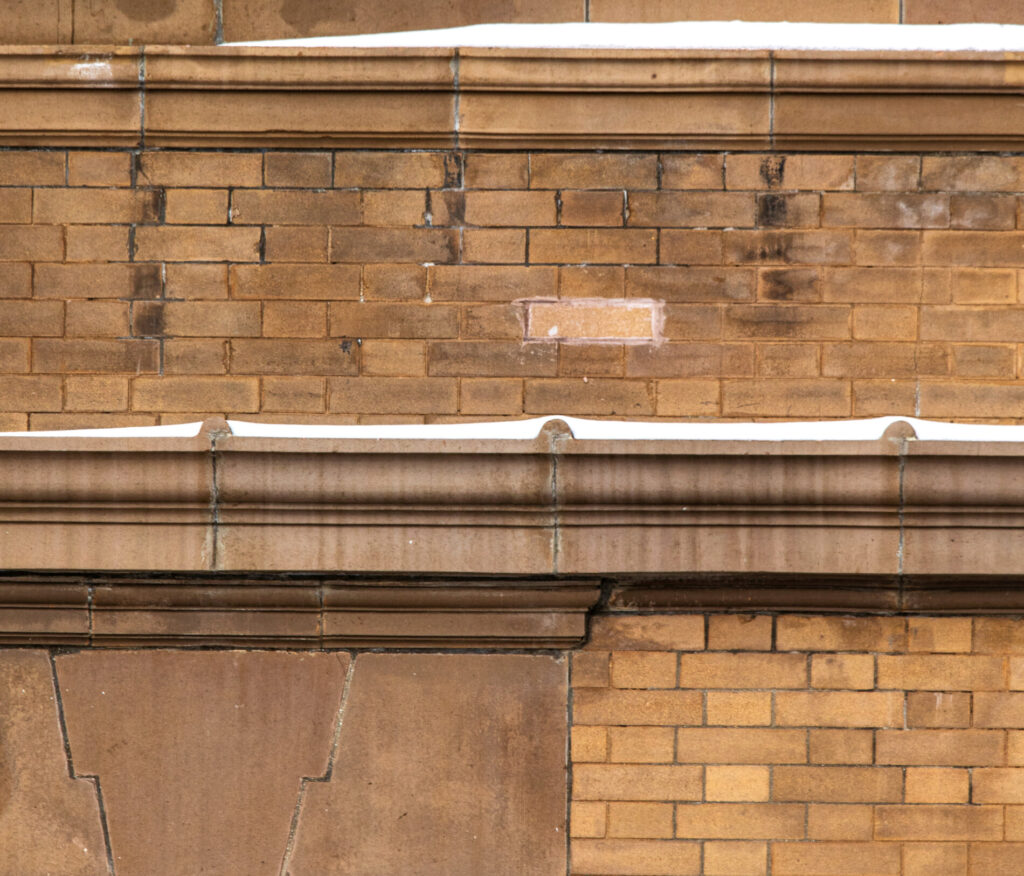
20 Jan masonry pins and patchwork on frederick pabst mansion’s exterior facade completed, more work to be done in 2026
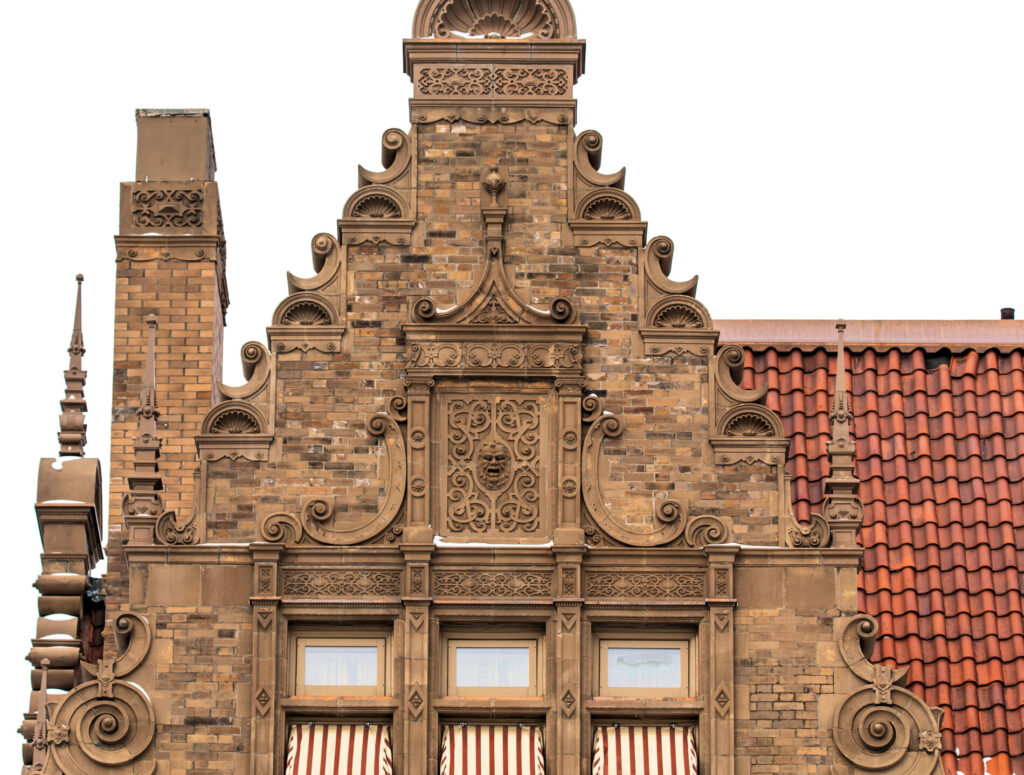
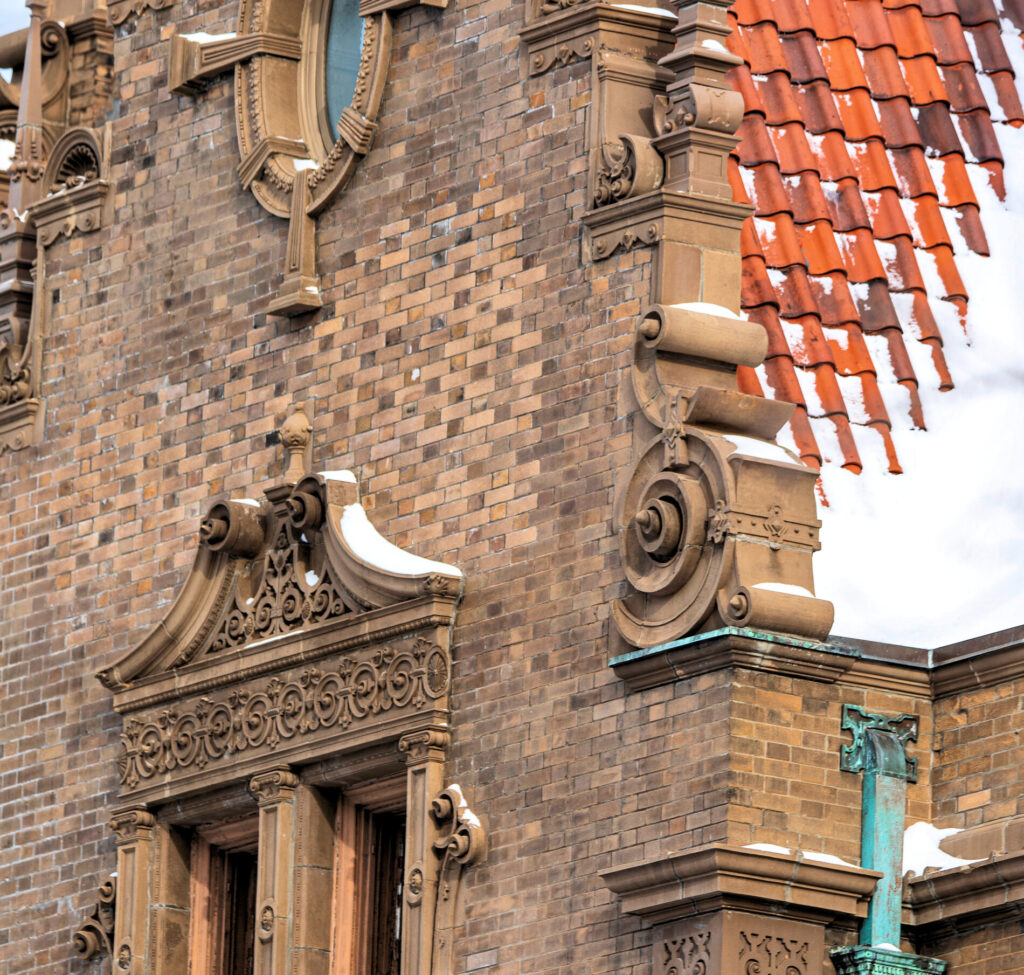
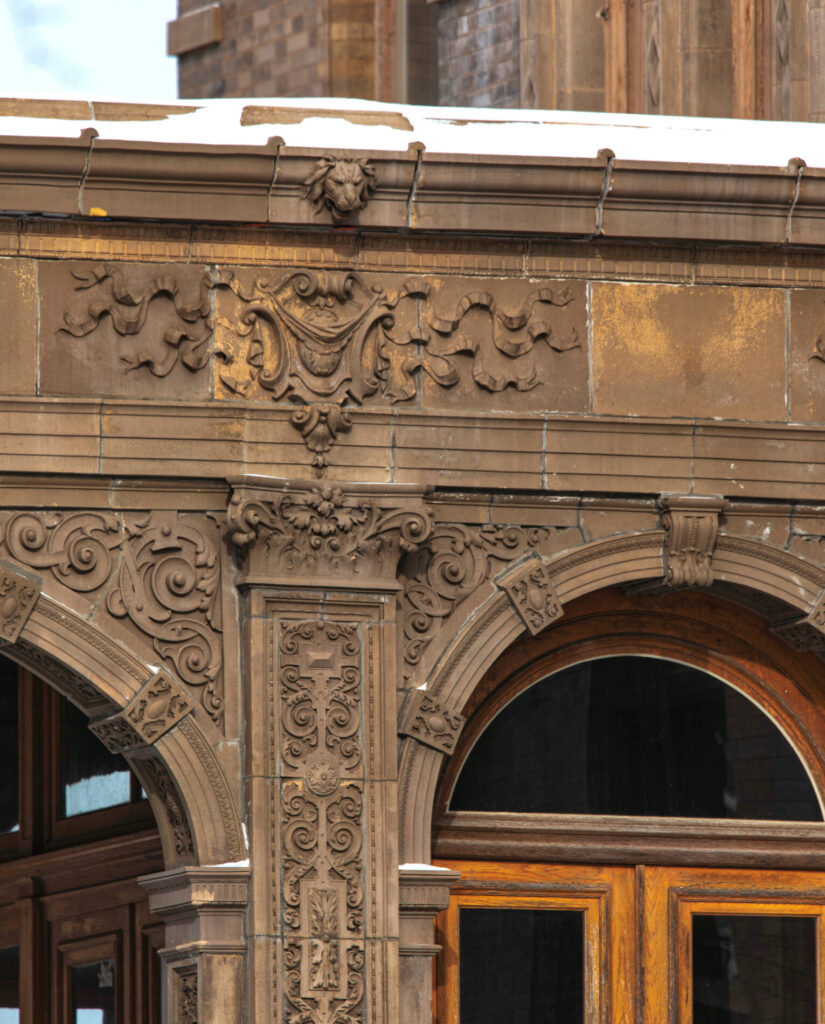
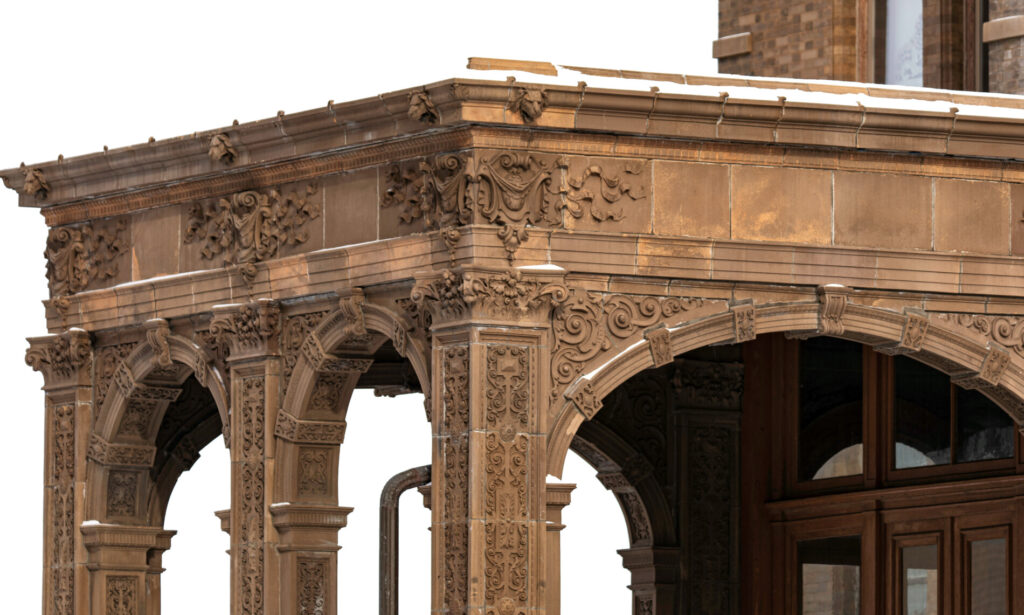
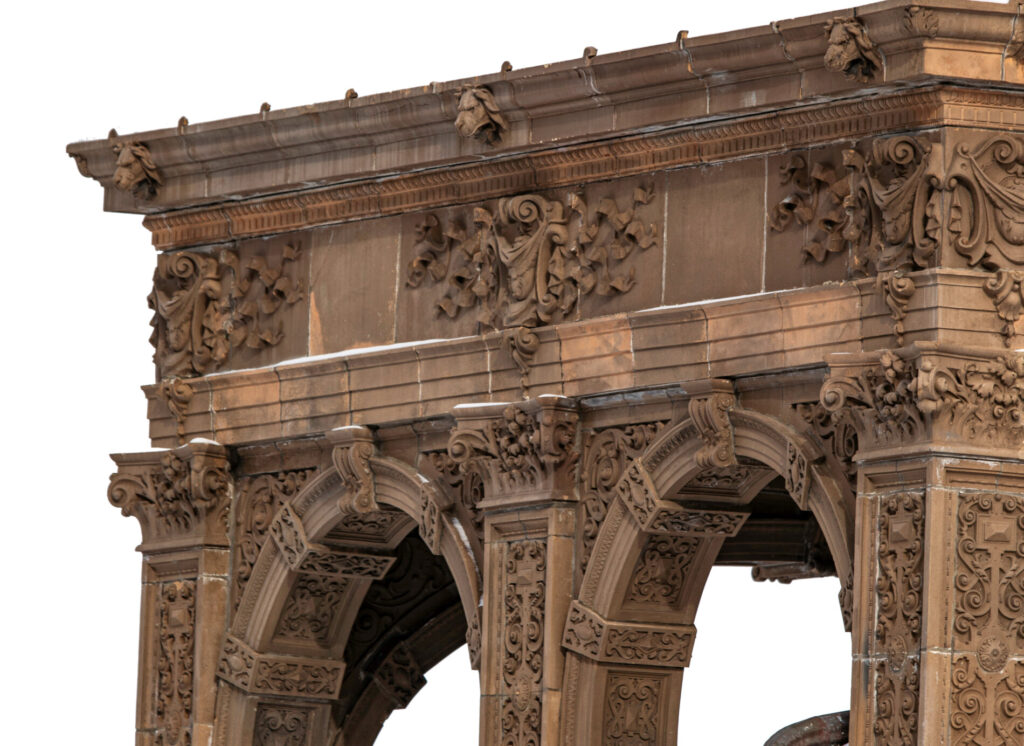
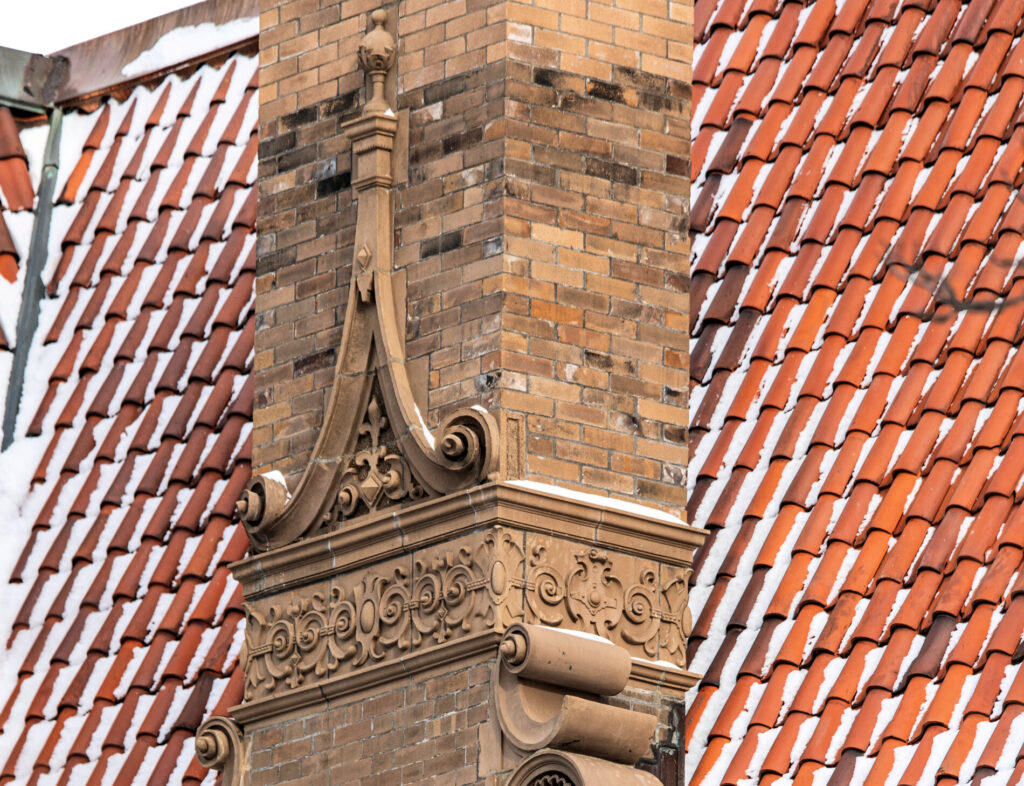
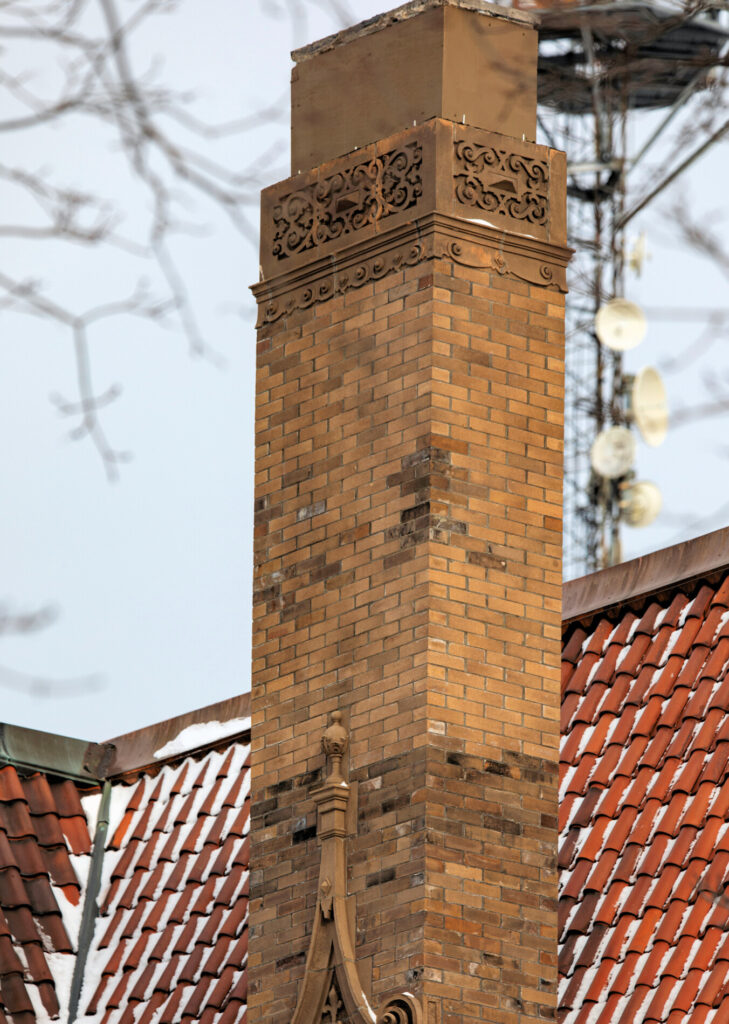
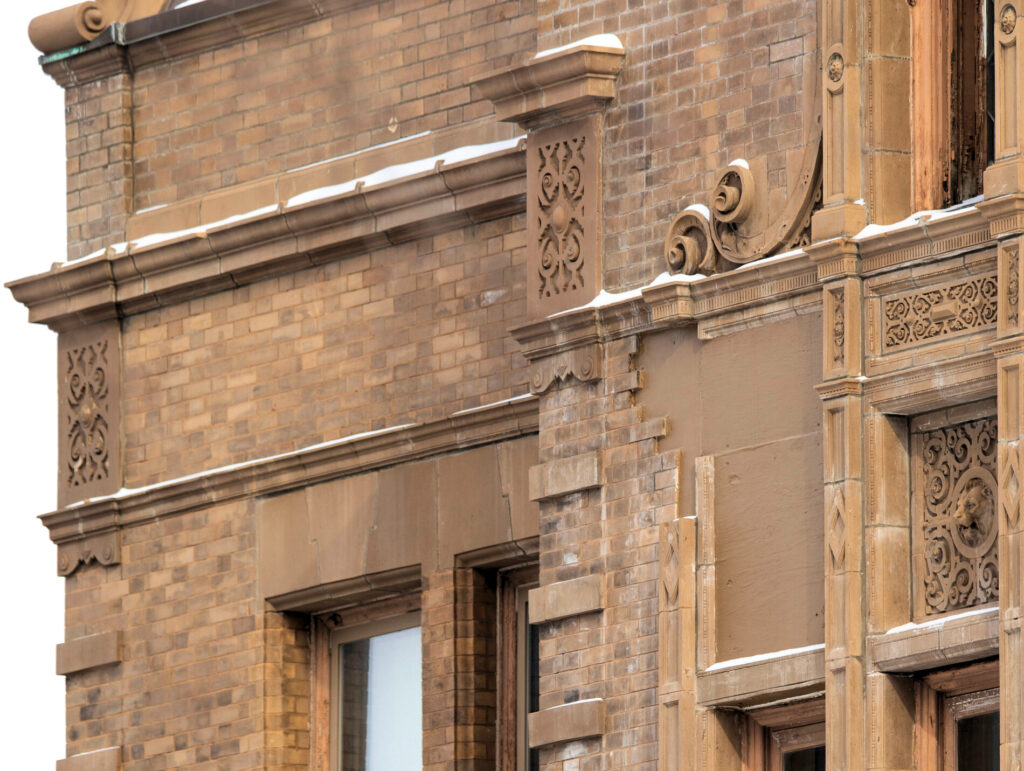
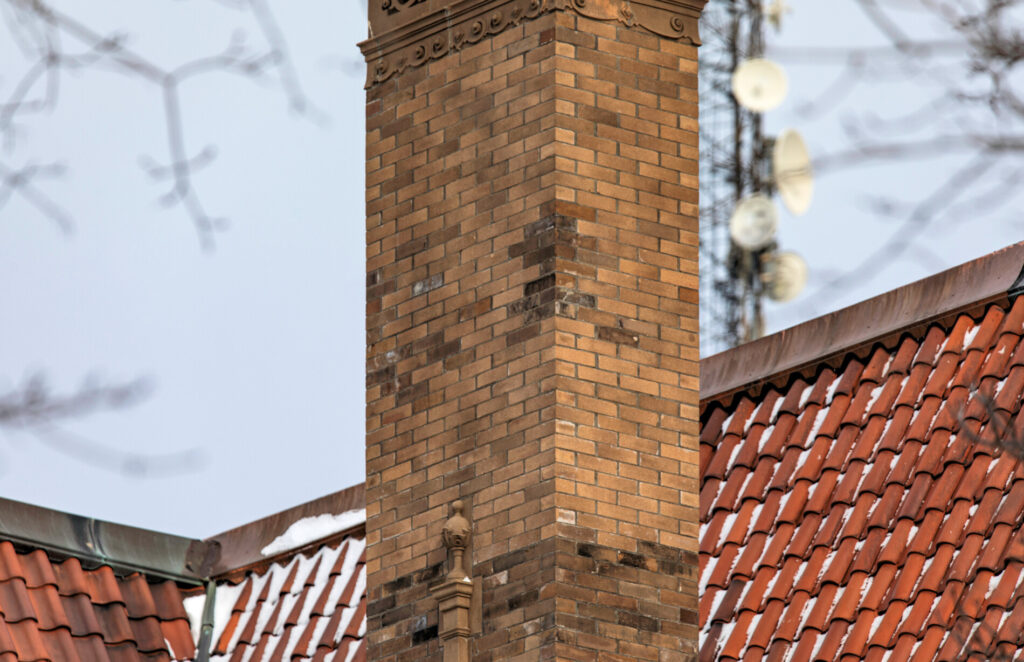
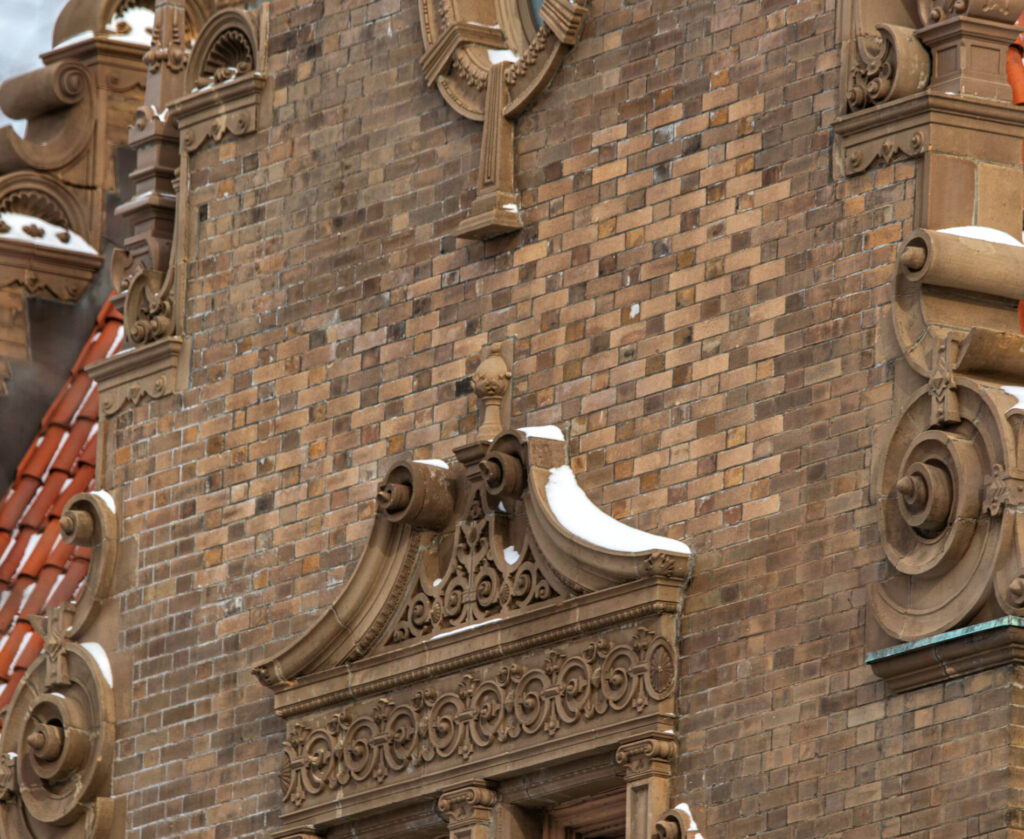
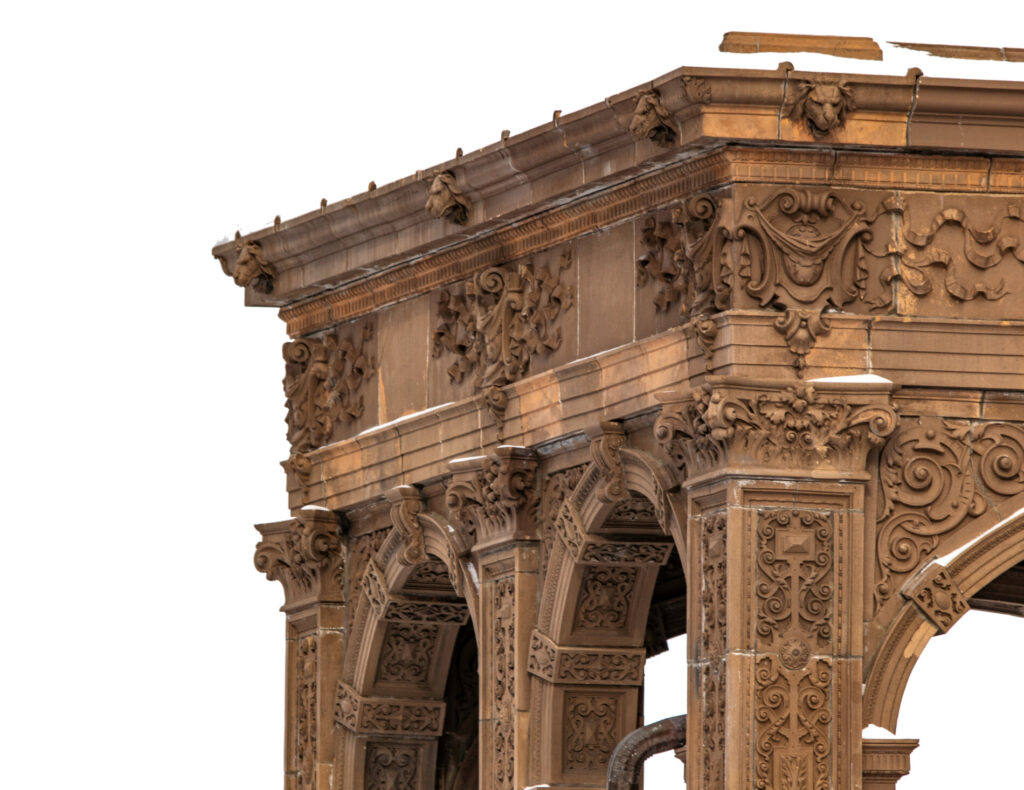
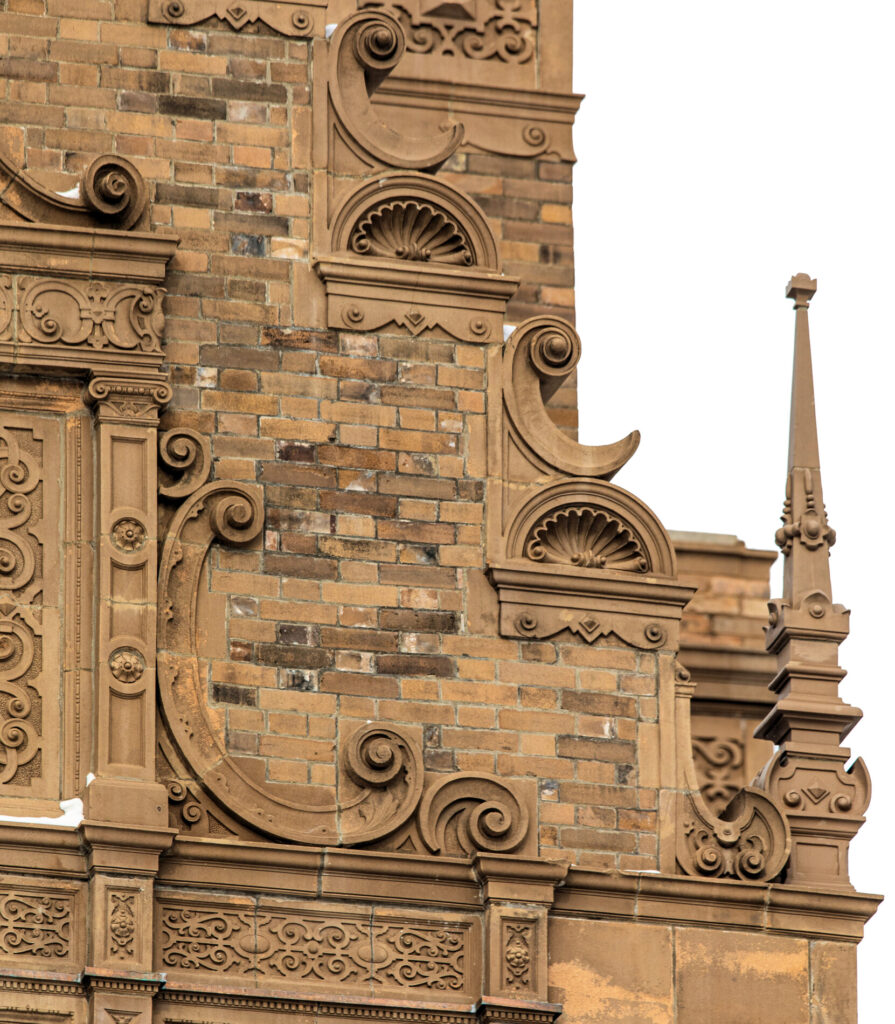
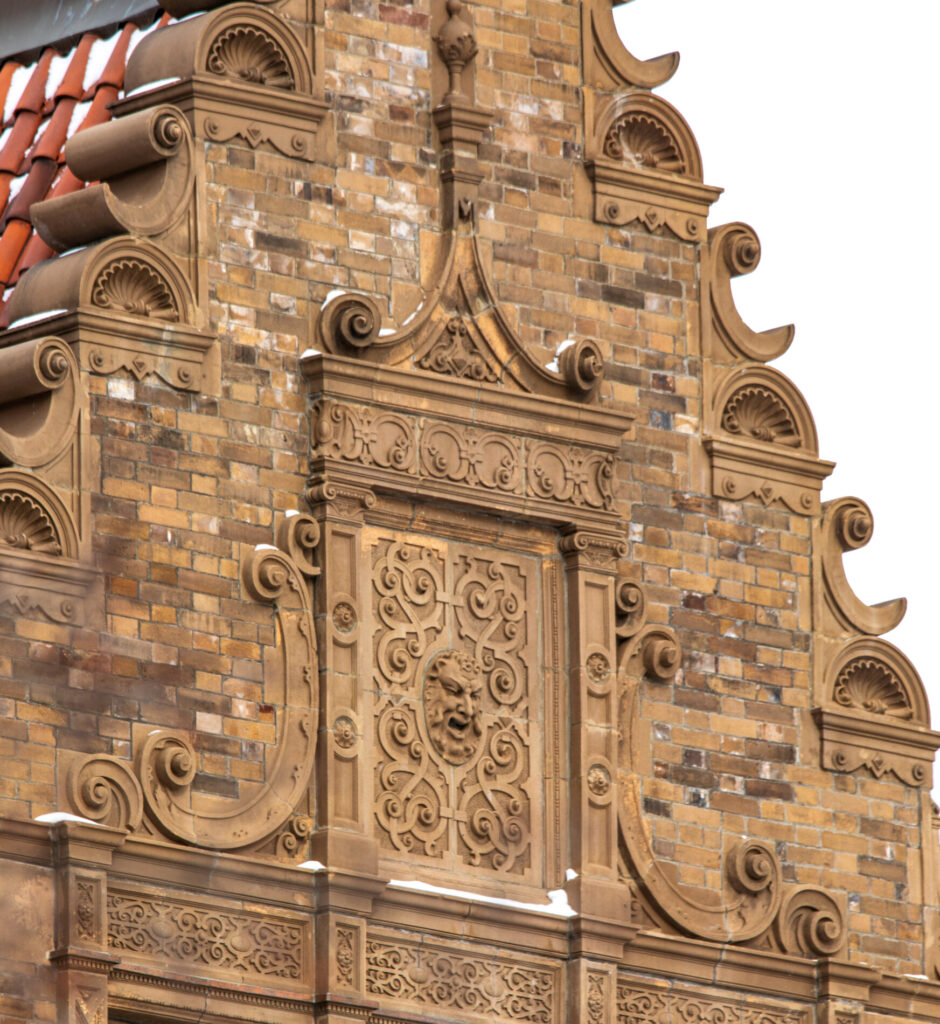
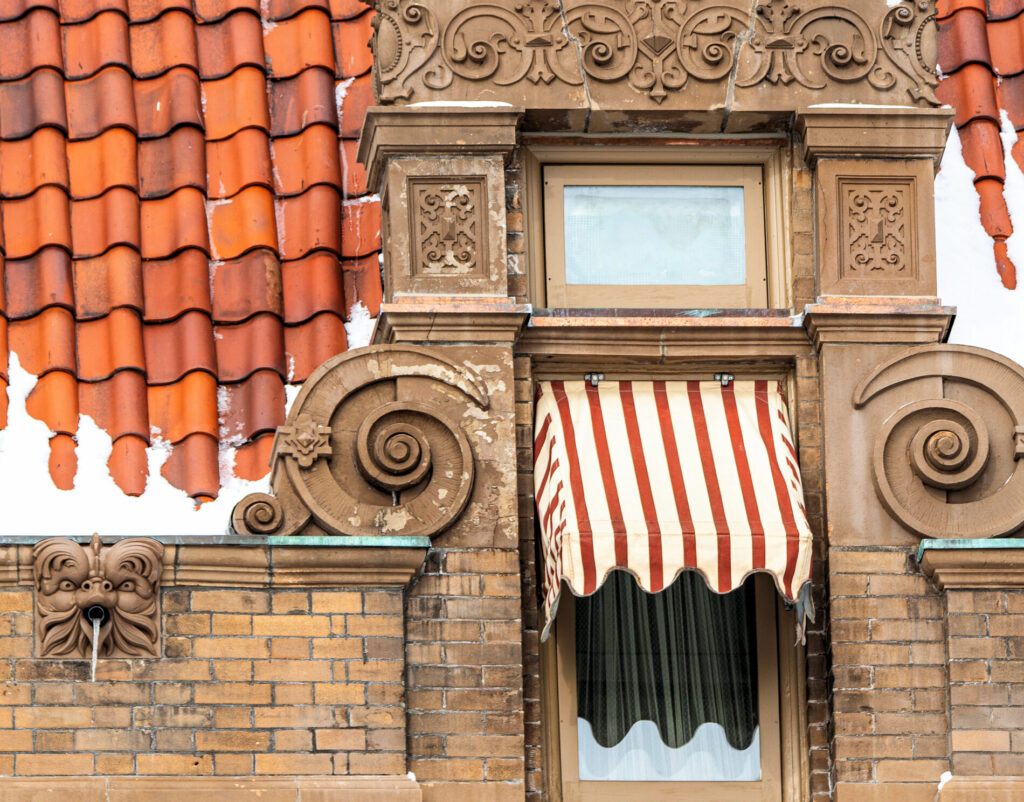
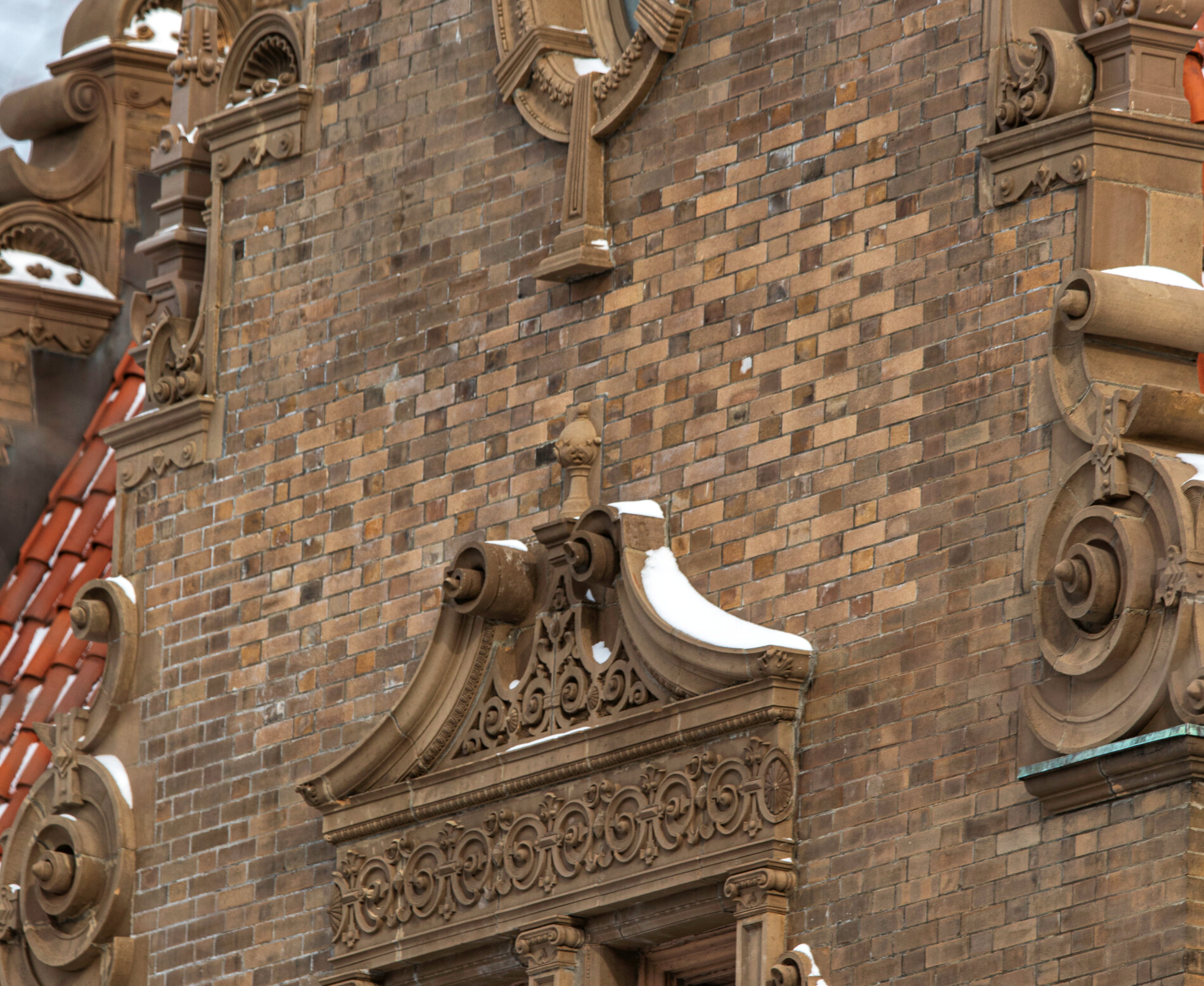
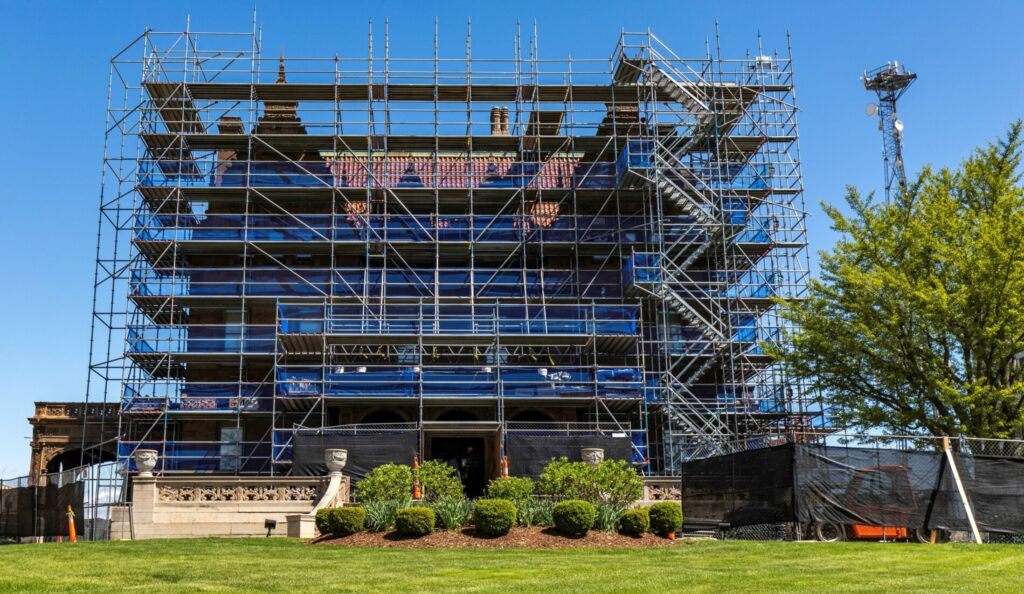
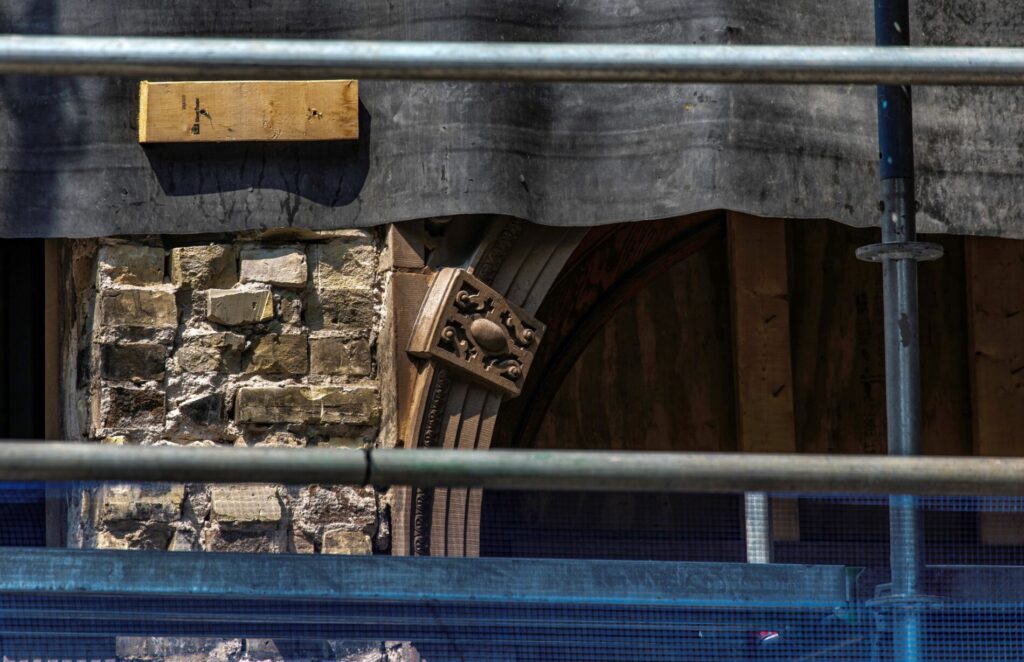
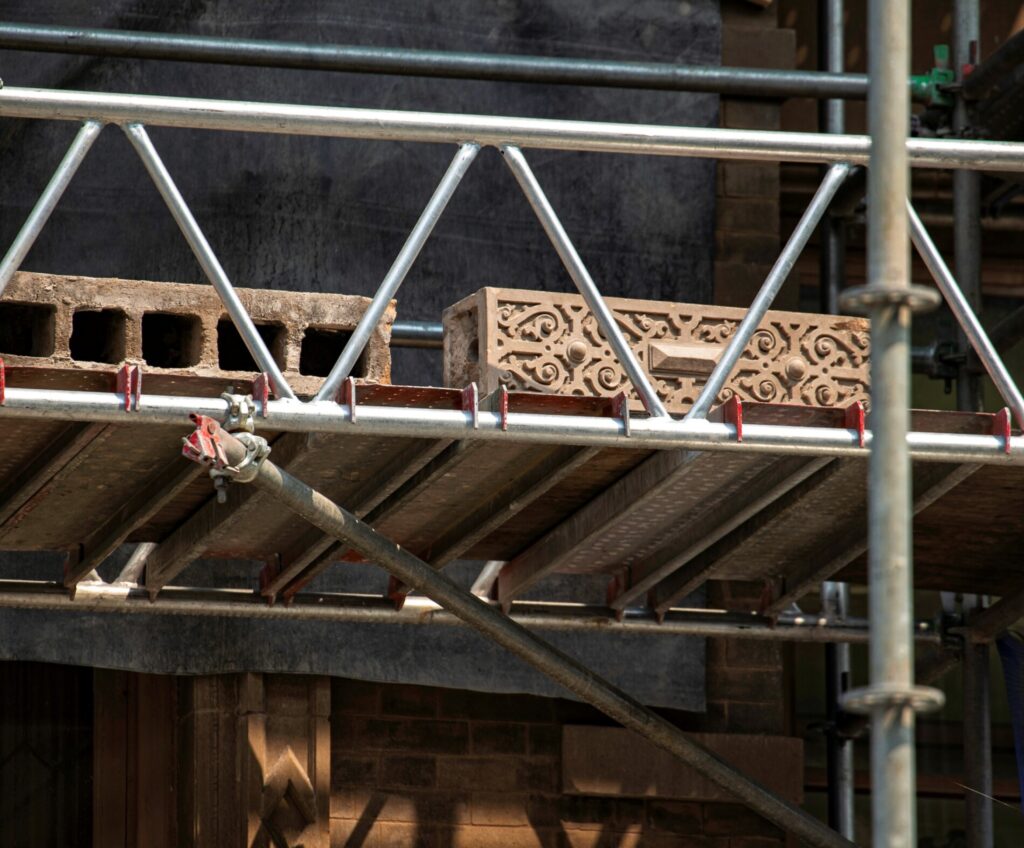
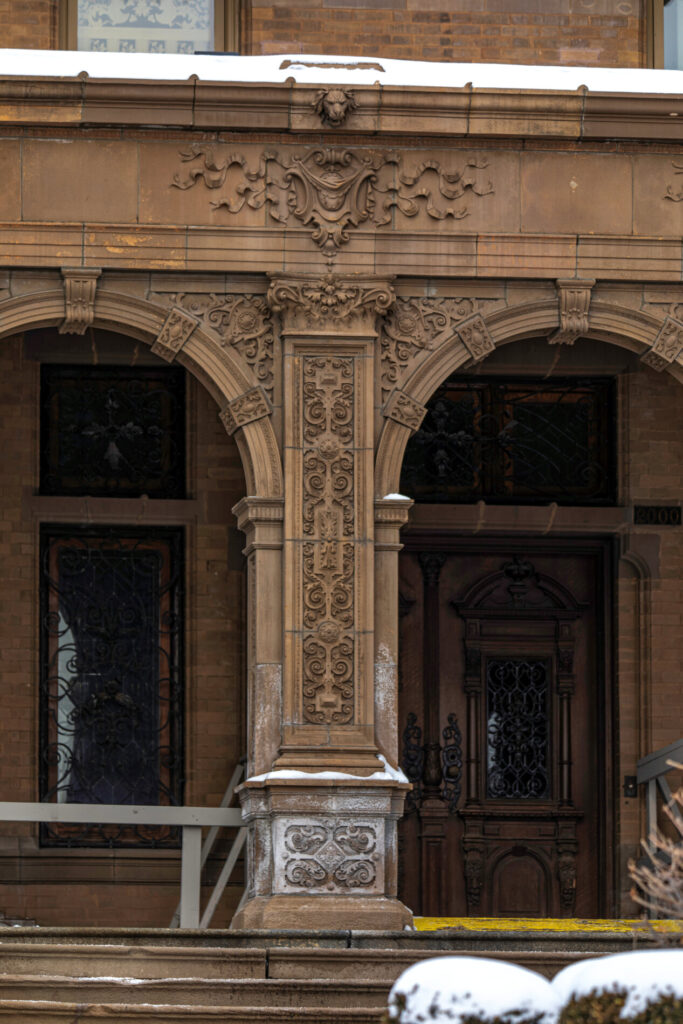
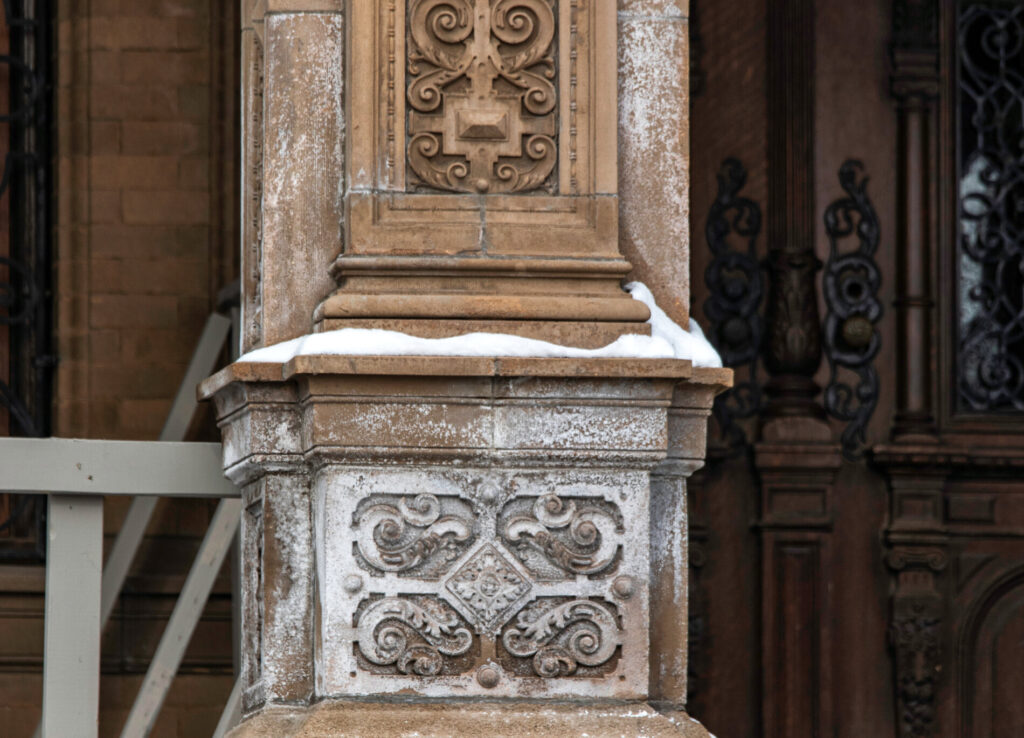
detail photographic images taken after scaffolding was removed (a few months ago) from the flemish renaissance revival-style frederick pabst mansion (george ferry, architect, 1892) located at 2000 west wisconsin avenue, milwaukee, wisc.
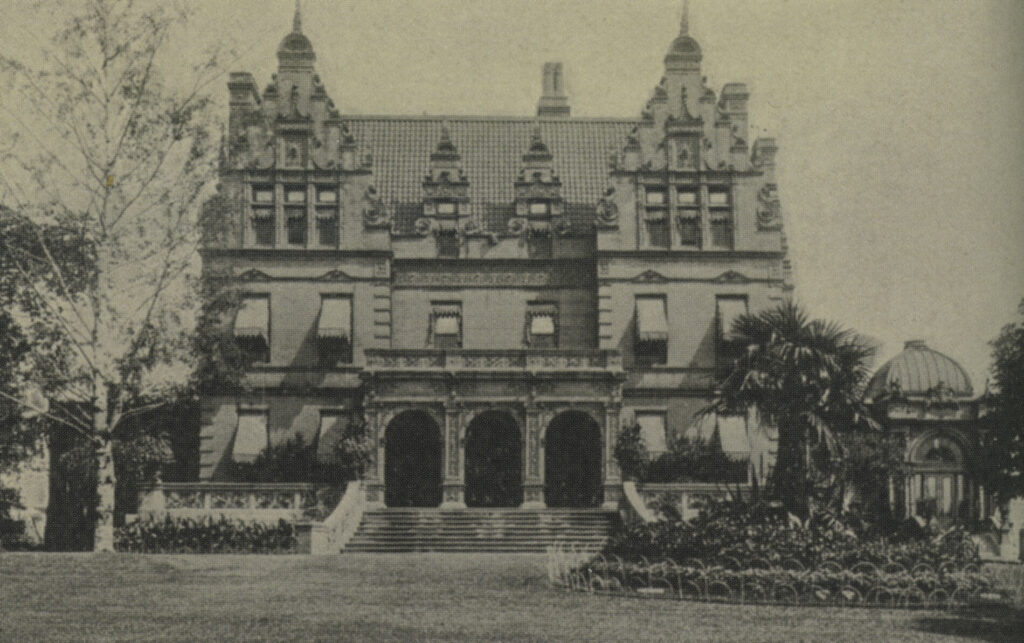
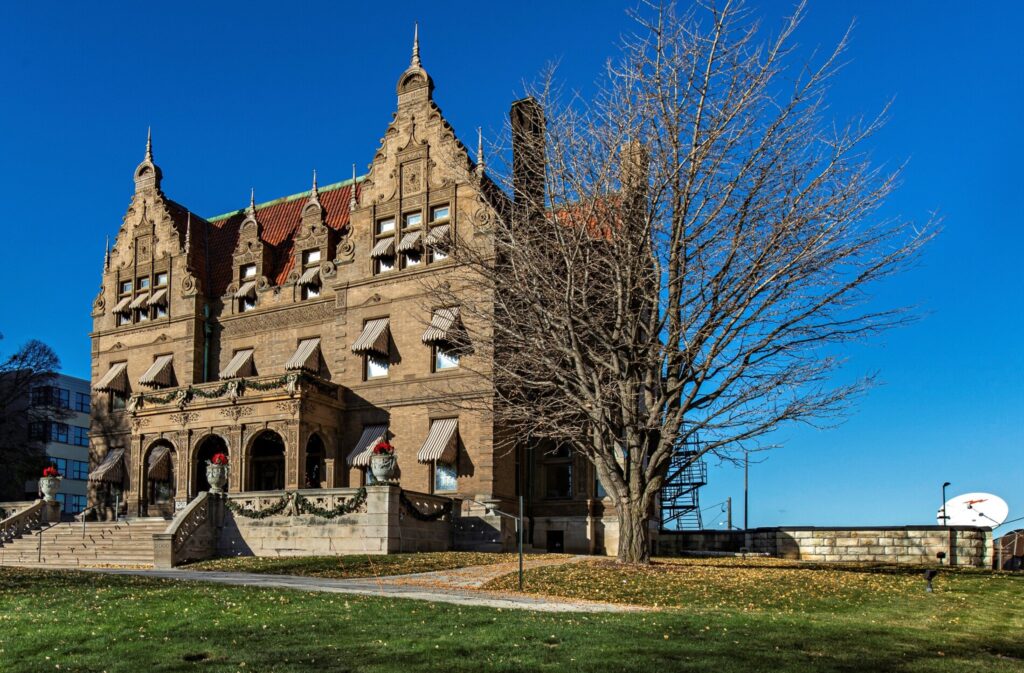
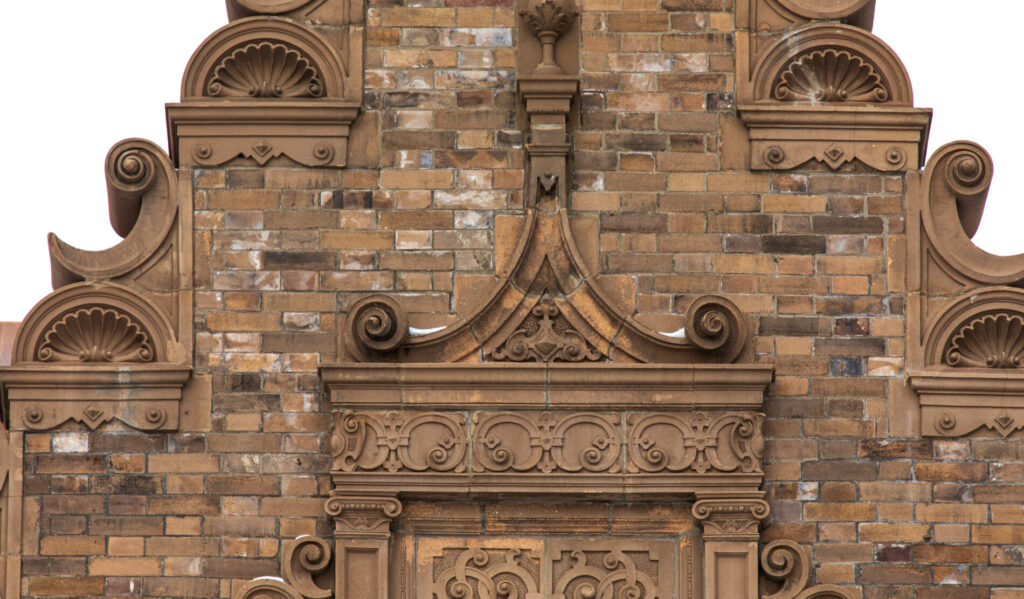
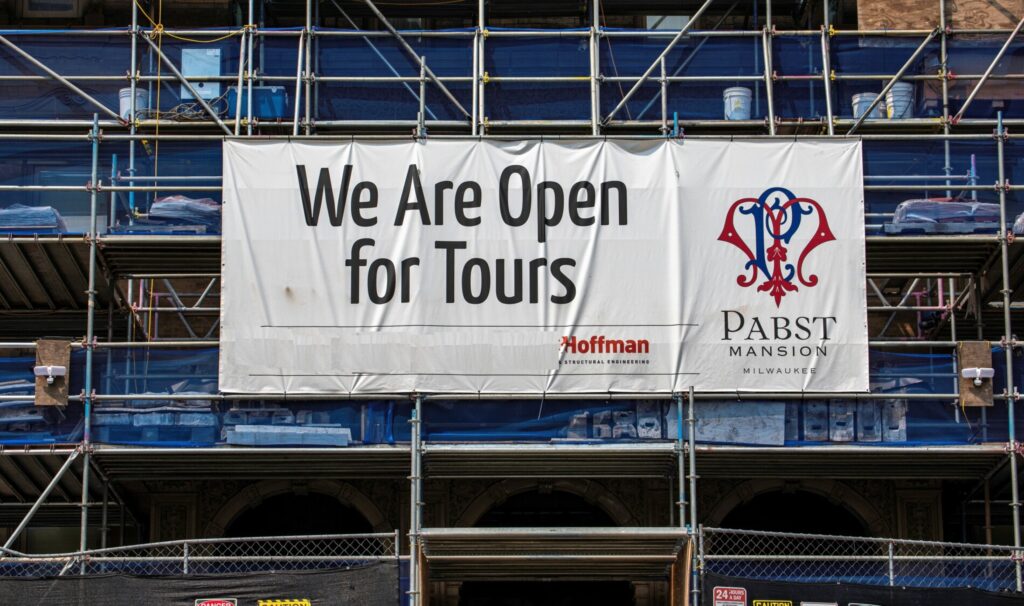
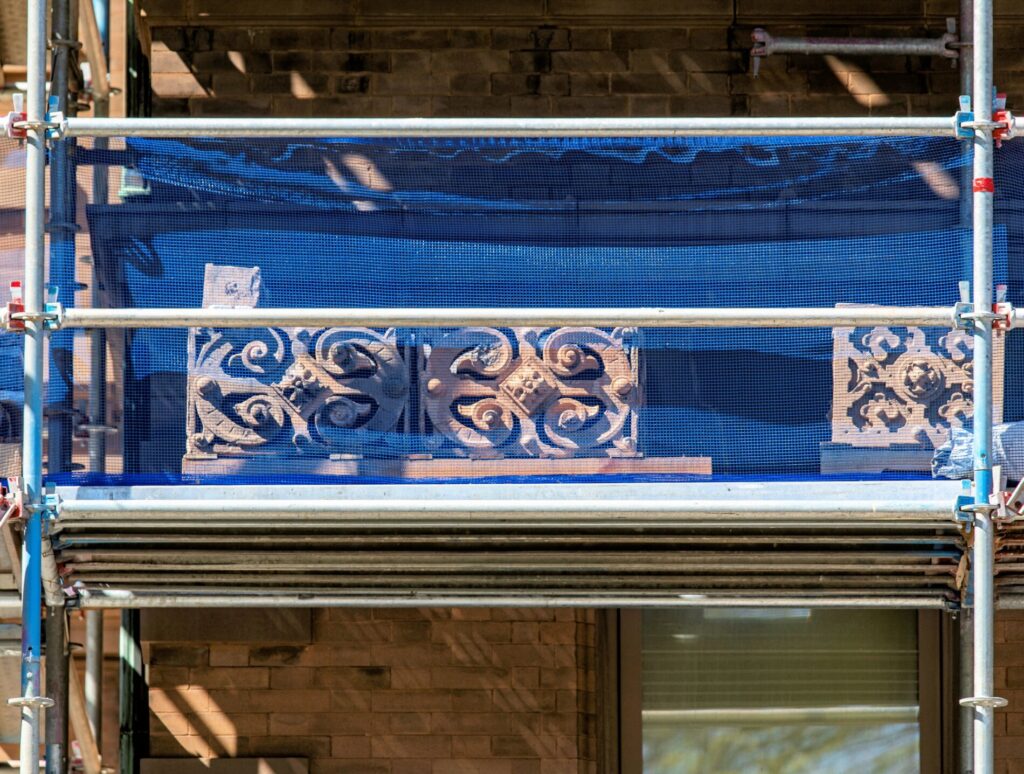
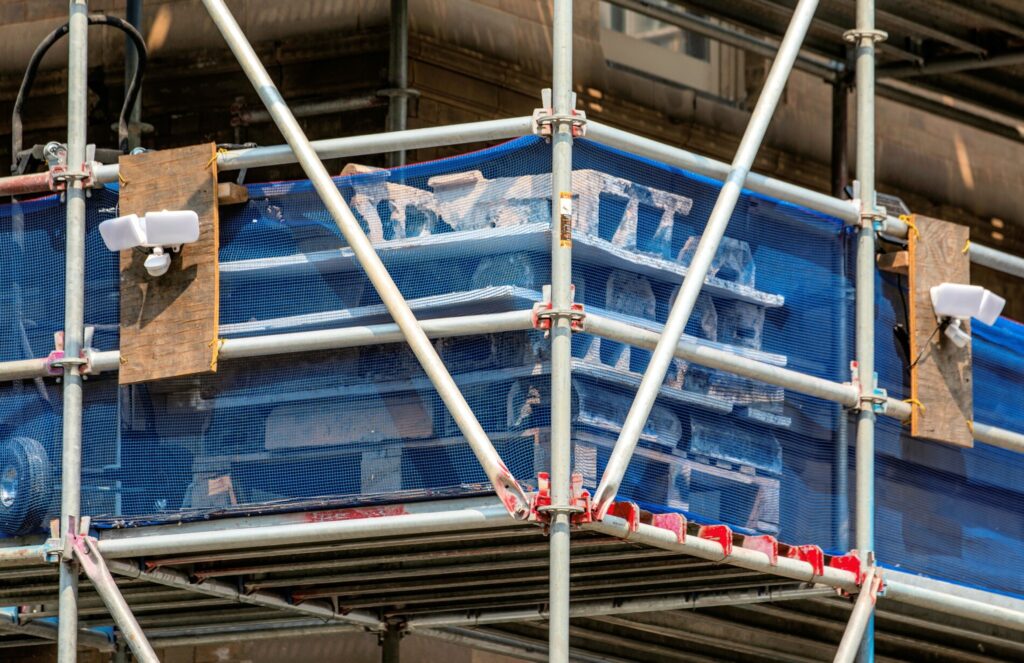
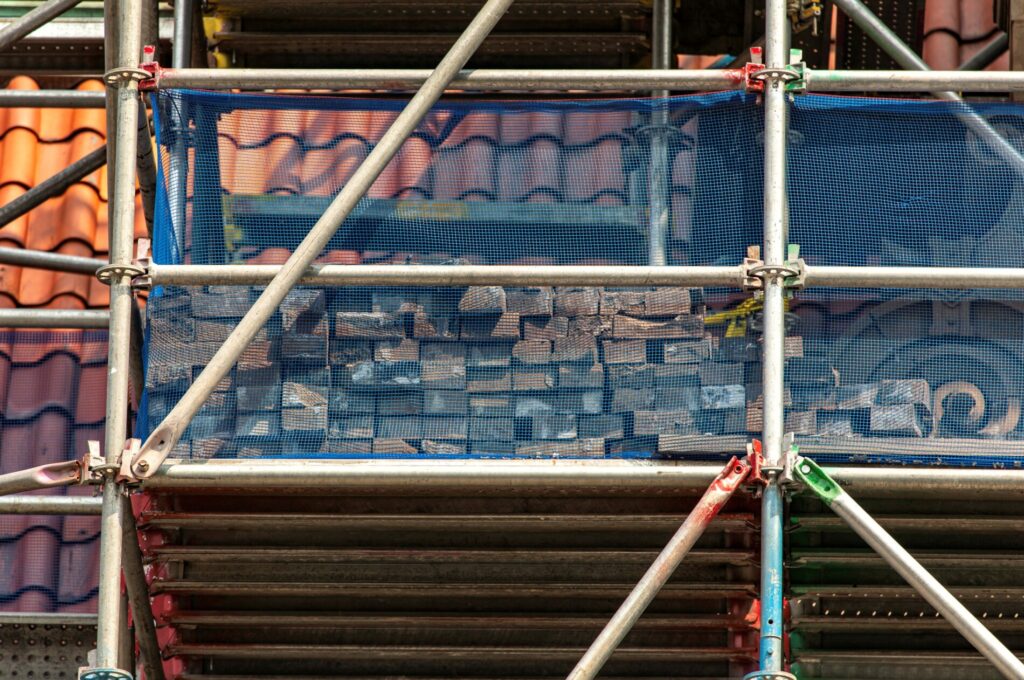
both the original buff-colored slip glaze ornamental terra cotta (executed by the northwestern terra cotta company of chicago) and matching face brick (fabricated by the anderson pressed brick company, chicago, il.) were in desperate need of repair and/or replacement (see extensive spalling in images taken prior to scaffold being erected around the house).
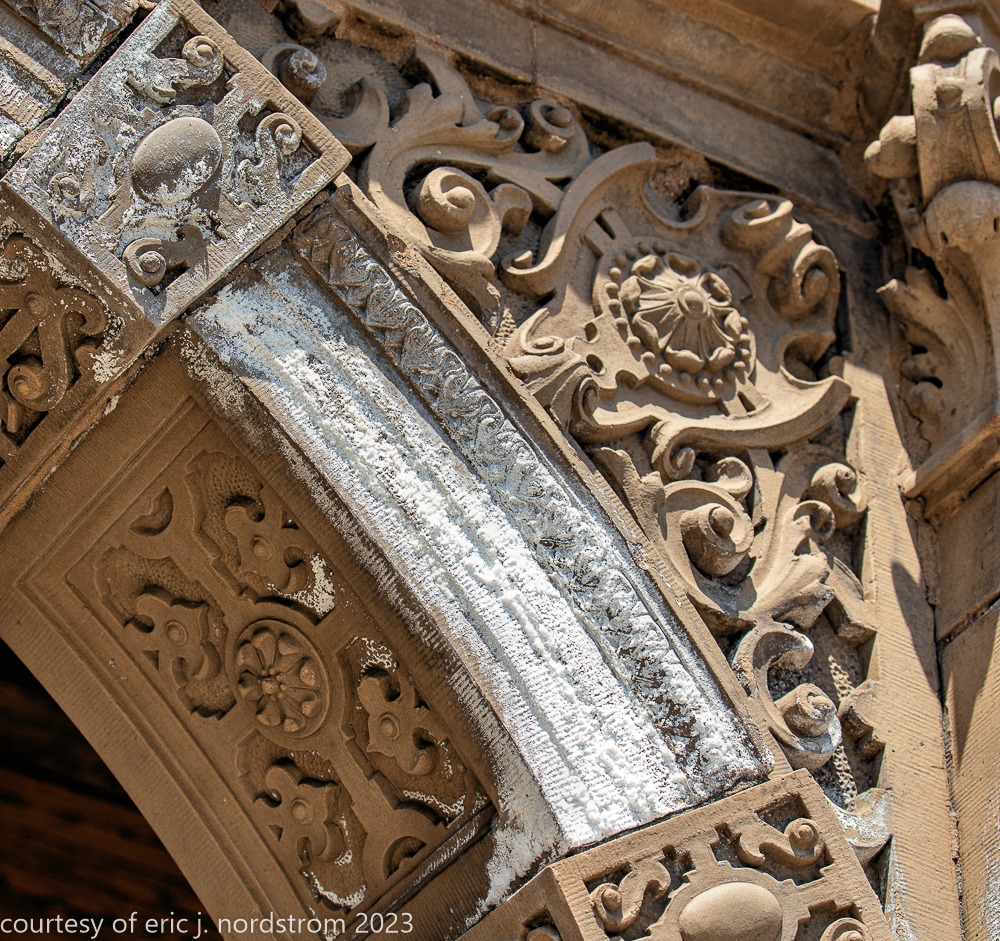
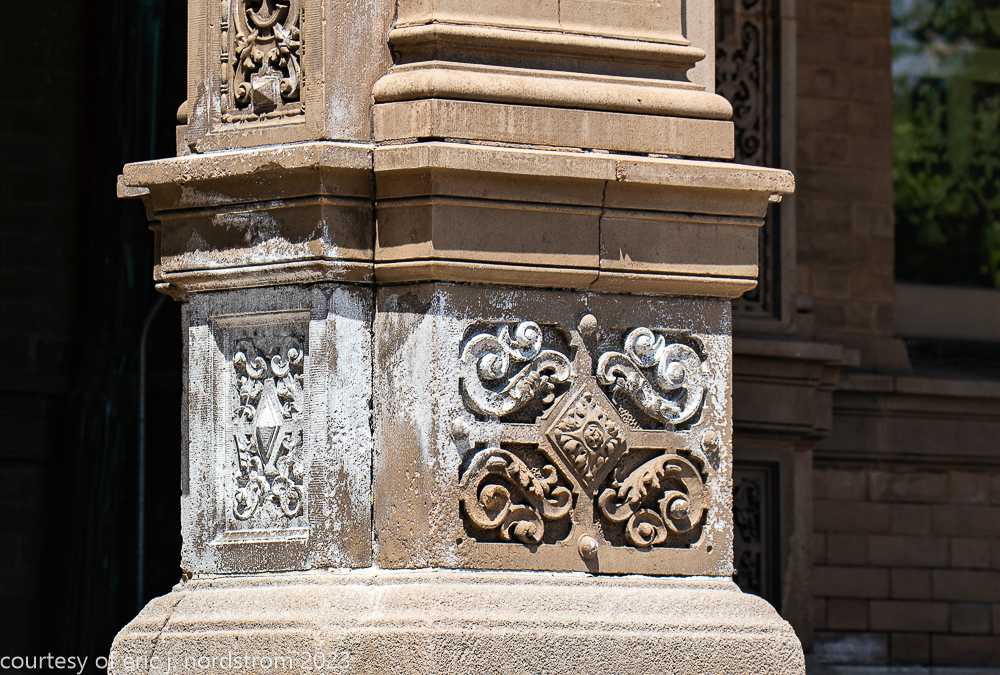
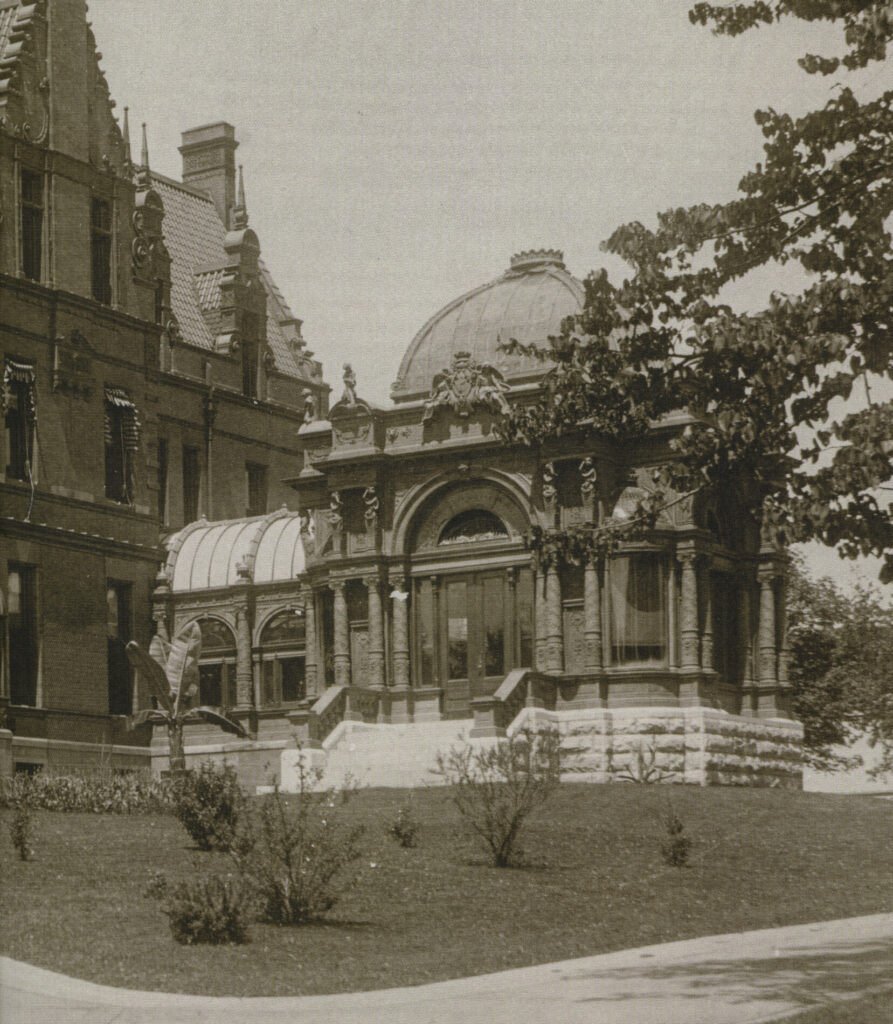
the boston terra cotta company (based in buffalo, ny.) was previously brought onboard to replicate and replace damaged terra cotta ornament used extensively on the house, including chimney stacks, roofline finials, front and side porticos, dormers, etc.
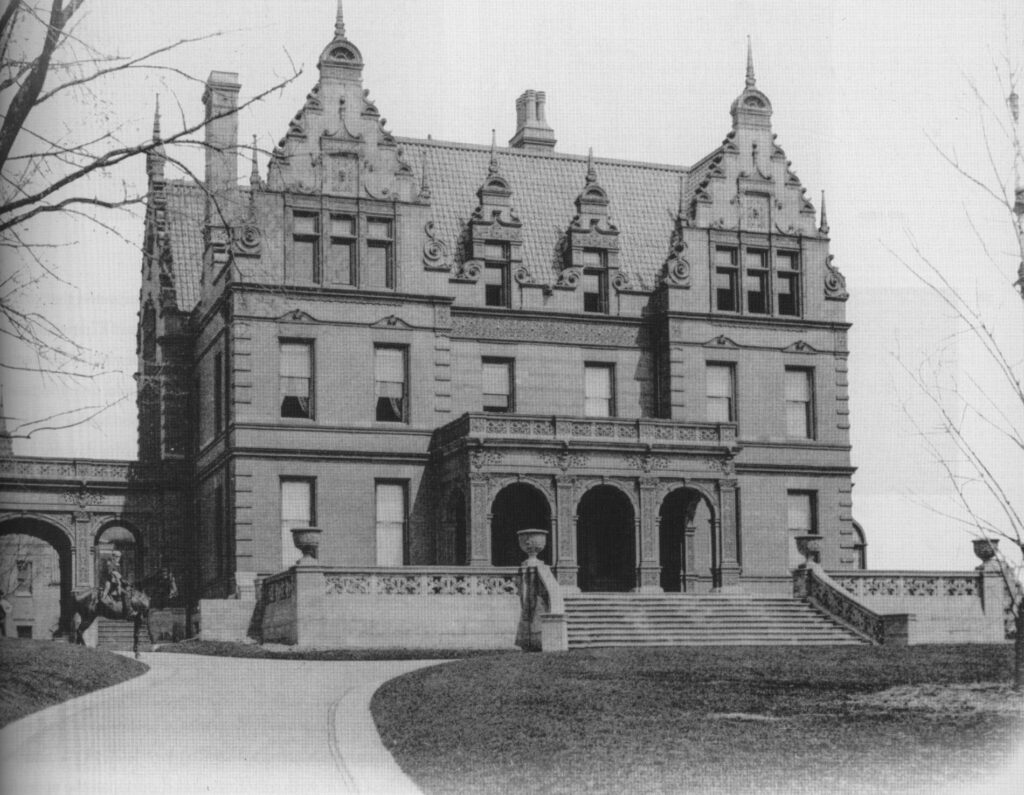
the pabst mansion is an impressive house in the flemish renaissance revival style, constructed in 1892 in milwaukee, wisconsin, united states. it was built for captain frederick pabst (1836–1904), the founder of the pabst brewing company. in 1975, it gained recognition on the national register of historic places, and today it serves as a historic house museum open for public tours.
frederick pabst immigrated from thuringia, germany to milwaukee at the age of 12 in 1848. he began working as a cabin boy on goodrich line steamships sailing on lake michigan, rising to captain by 1857. in 1862, he married maria best, whose father owned best and company, one of milwaukee’s largest breweries. by 1864, pabst had joined the family business, quickly taking its lead; by 1874, best & co. had become the largest brewery in the u.s., and in 1889, it became the pabst brewing company.
around 1890, captain pabst asked milwaukee architect george bowman ferry to design a mansion in the flemish renaissance revival style. a building permit was issued on june 27, 1890, and construction lasted two years. ferry’s three-story house featured a pressed brick exterior with corner quoins, carved stone, and terra cotta ornamentation. the characteristic symmetry and shaped parapets mark the flemish renaissance revival style. originally, inside there was a men’s parlor decorated in mahogany and a ladies’ parlor finished with white enamel.
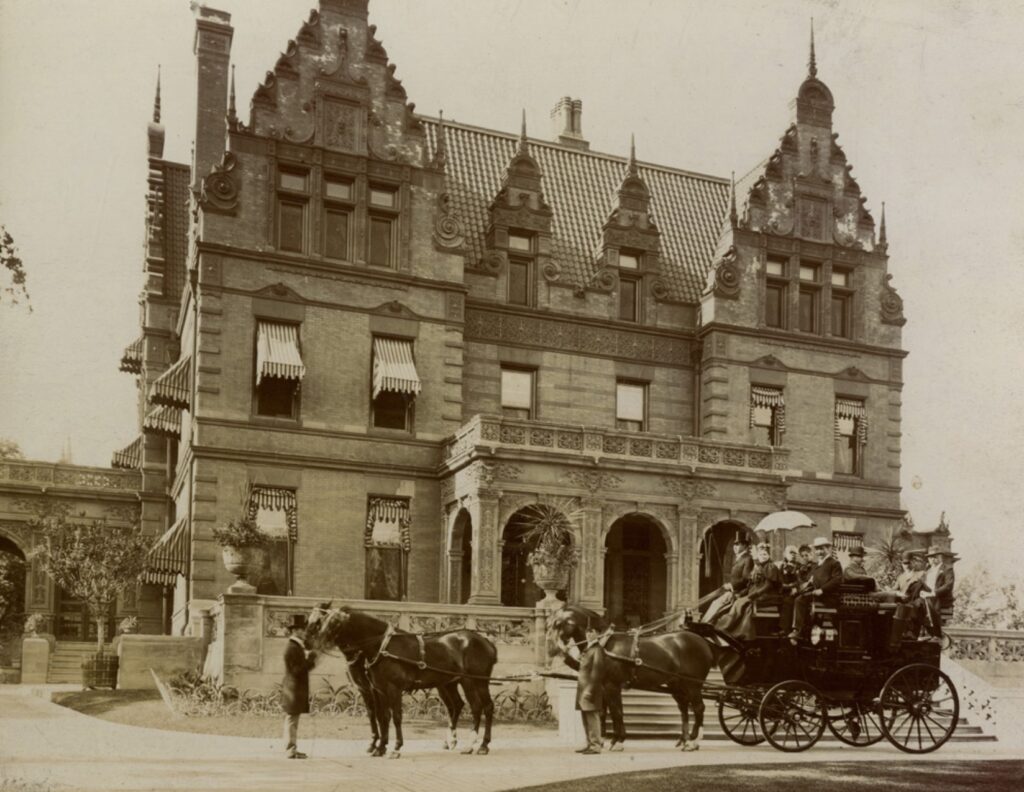
from 1892 to 1908, the pabst family occupied the mansion until the archdiocese of milwaukee purchased it. the archdiocese relocated the baroque-styled conservatory to serve as the archbishop’s chapel. over 67 years, five archbishops, together with many priests and sisters, lived in the pabst mansion.
in 1975, the archdiocese, which previously considered demolishing the mansion, offered it for sale hoping a historic preservation group would restore it. wisconsin heritages, inc., bought the mansion in 1978 and opened it to the public that may. before the purchase, plans were in place to raze the house for a parking structure.
in 1998, wisconsin heritages, inc. became captain frederick pabst mansion, inc. today, the mansion welcomes visitors with daily tours.
restoration began with the main dining room, where walls and ceilings had been painted white by the archdiocese. restorers discovered the original color palette hidden beneath mirrors that had hung since captain pabst’s time, enabling them to repaint the remaining walls authentically.
recent preservation efforts have focused on restoring the master suite. paint analysis in early 2011 revealed palm fronds painted on the sitting room ceiling’s corners, preserved under layers of paint. using photographs from around 1900, restorers located other long-lost painted details. restoration of emma’s room/the regency room has recently concluded.