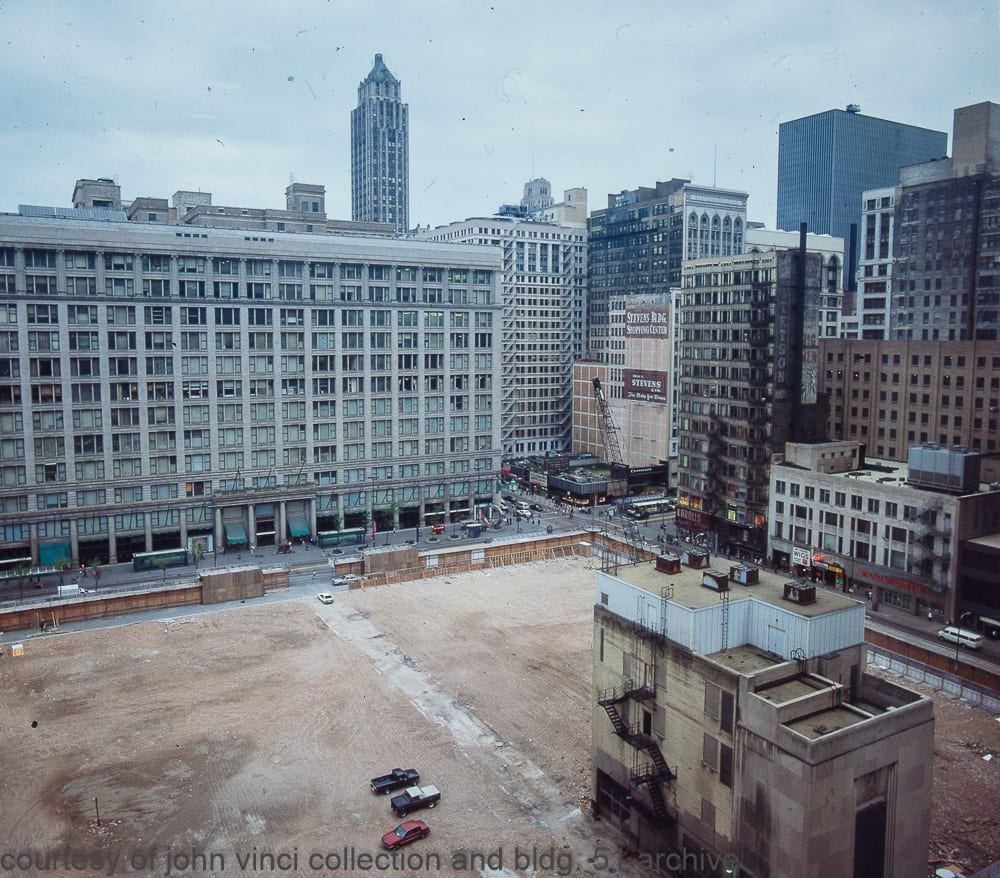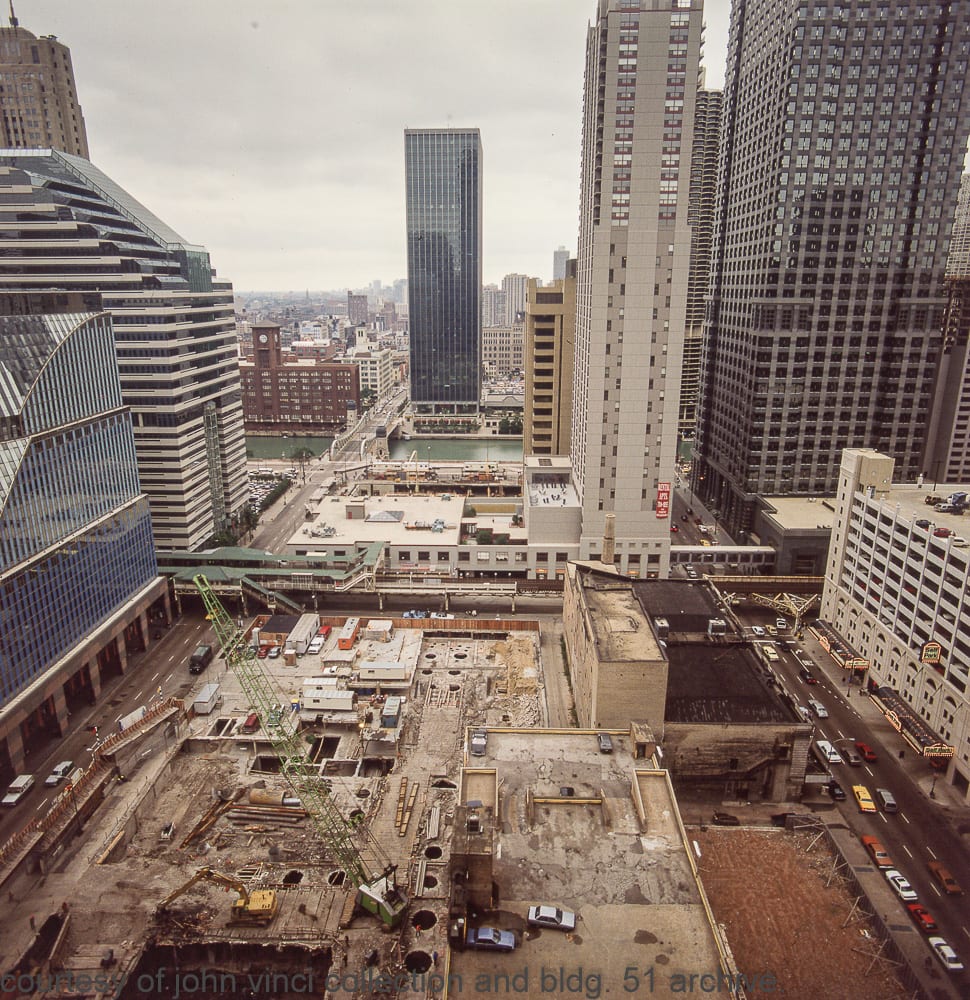

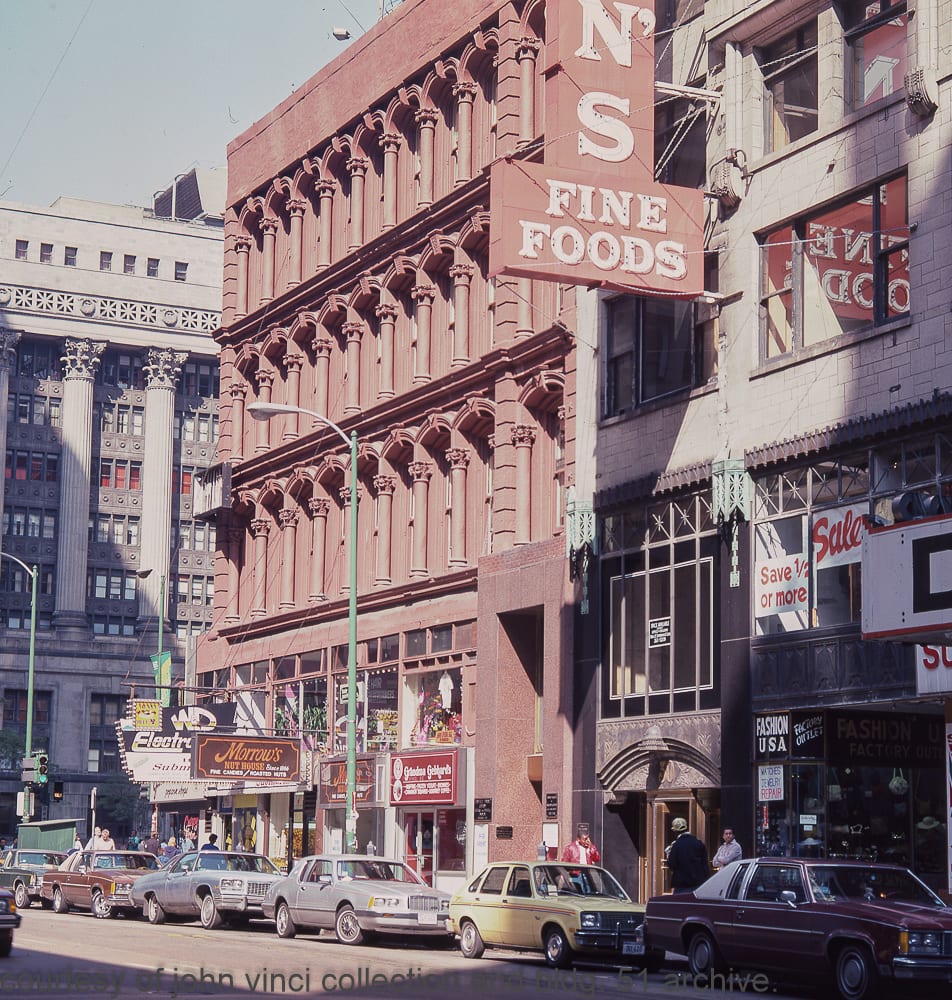
08 Aug john vinci kodachromes documenting the eradication of 19th and 20th century buildings on block 37
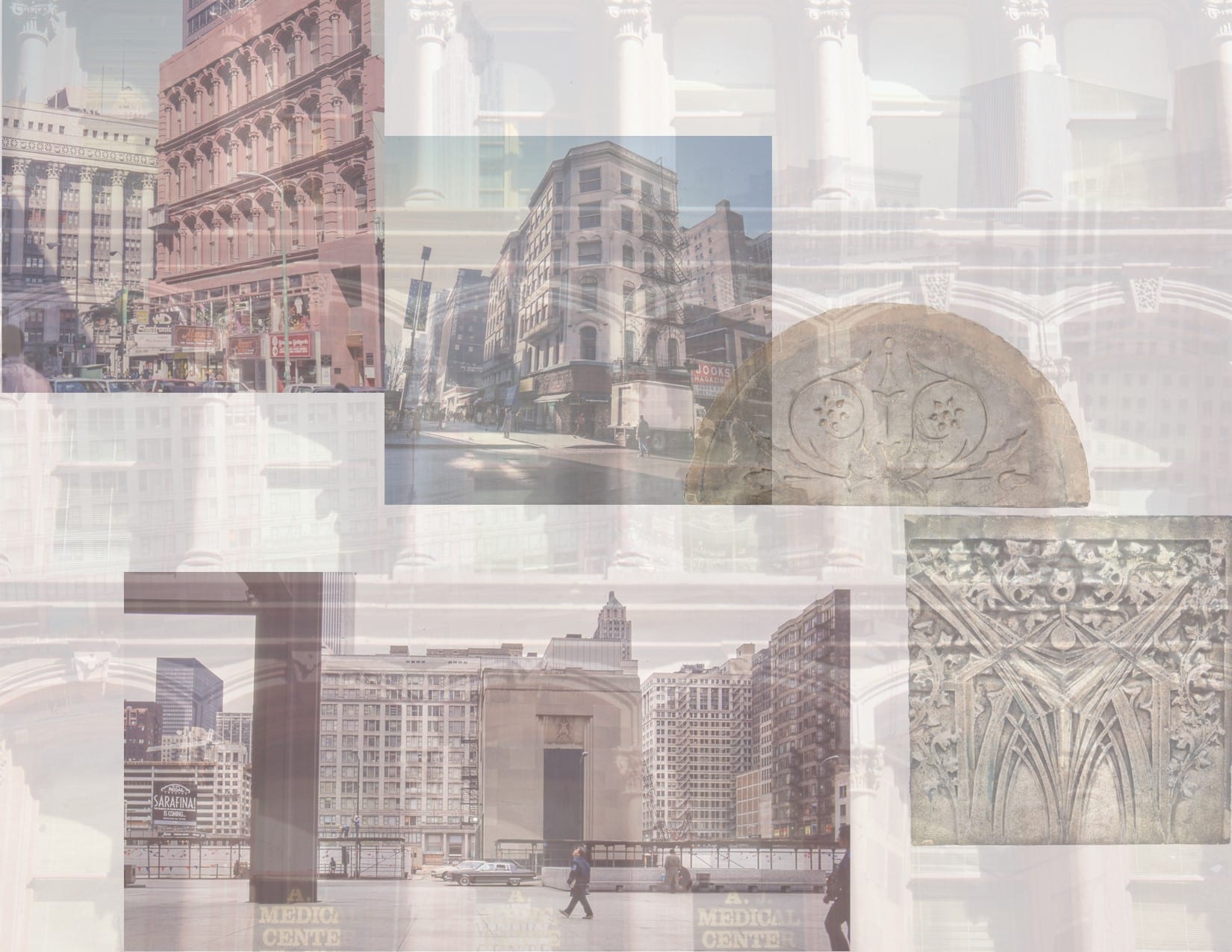
further reading:
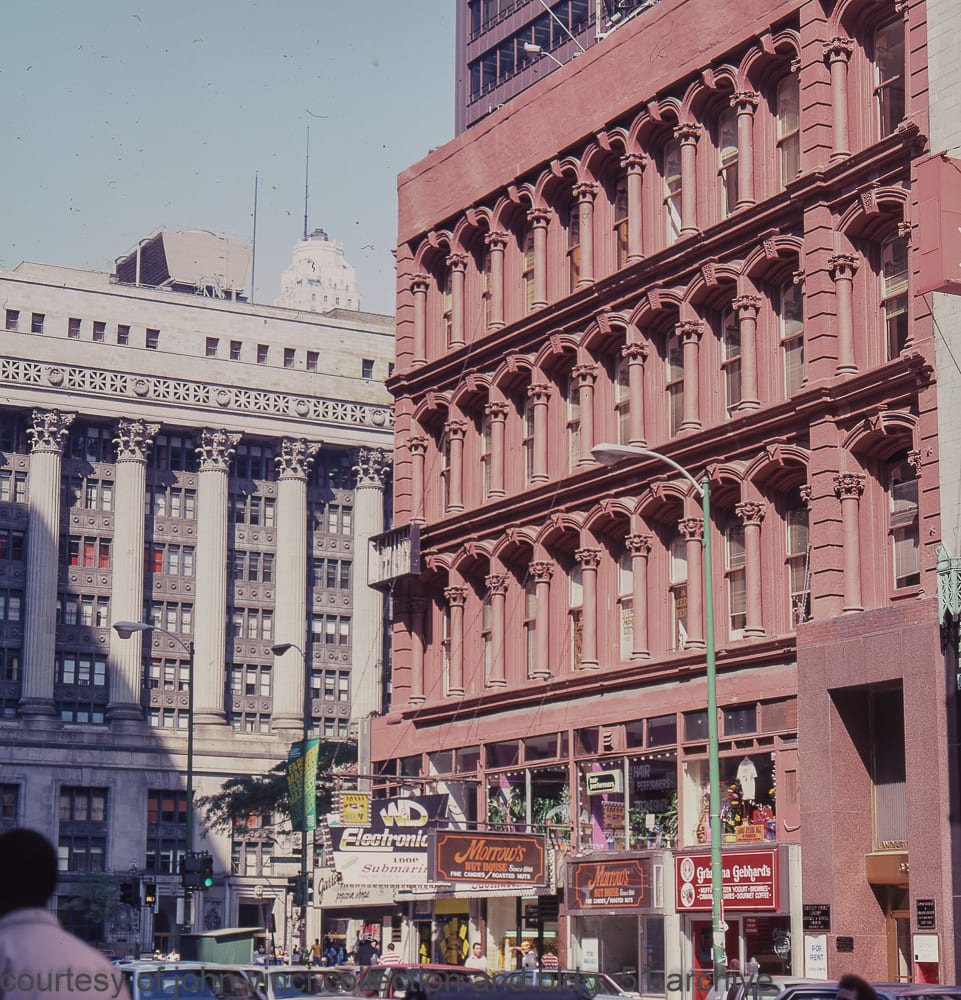
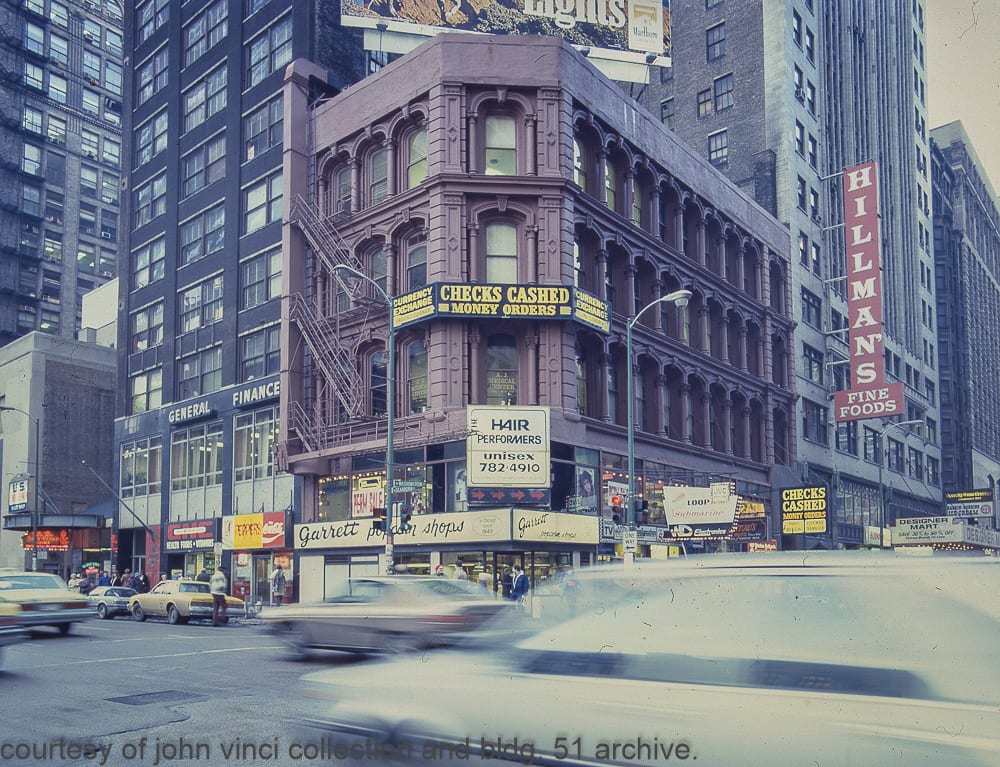
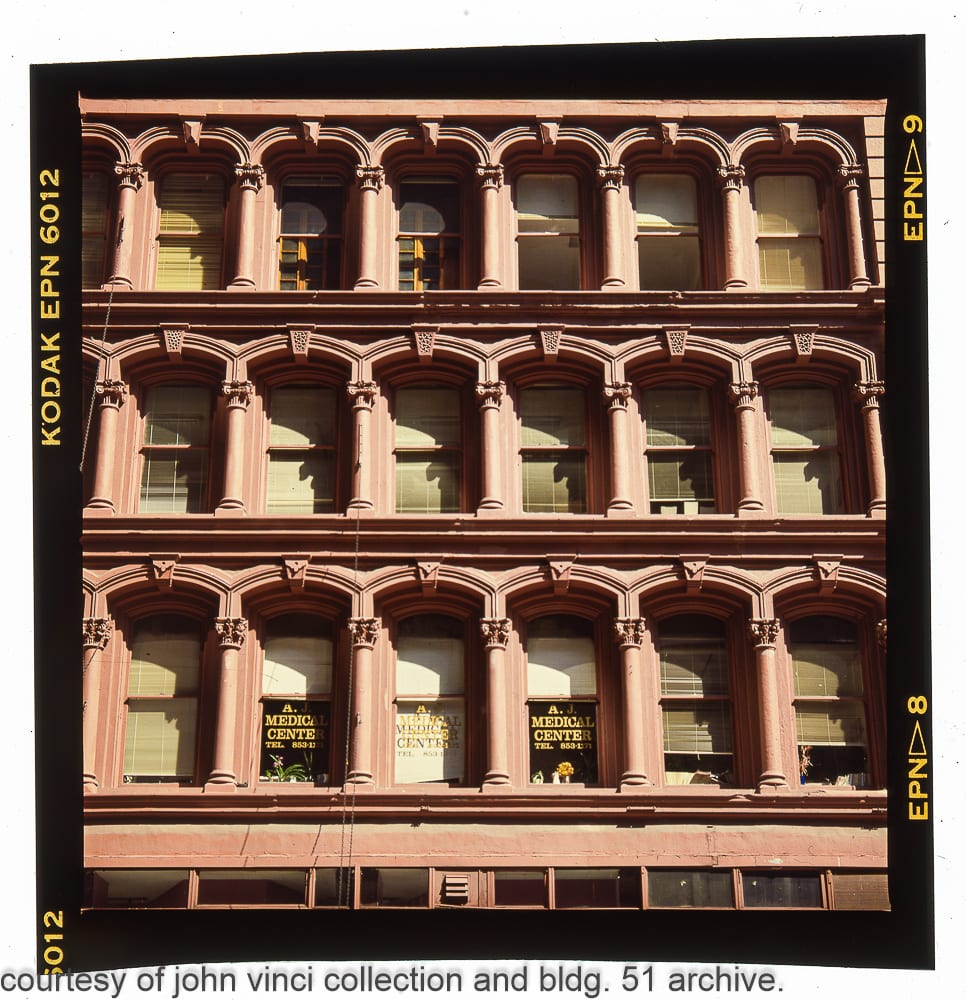
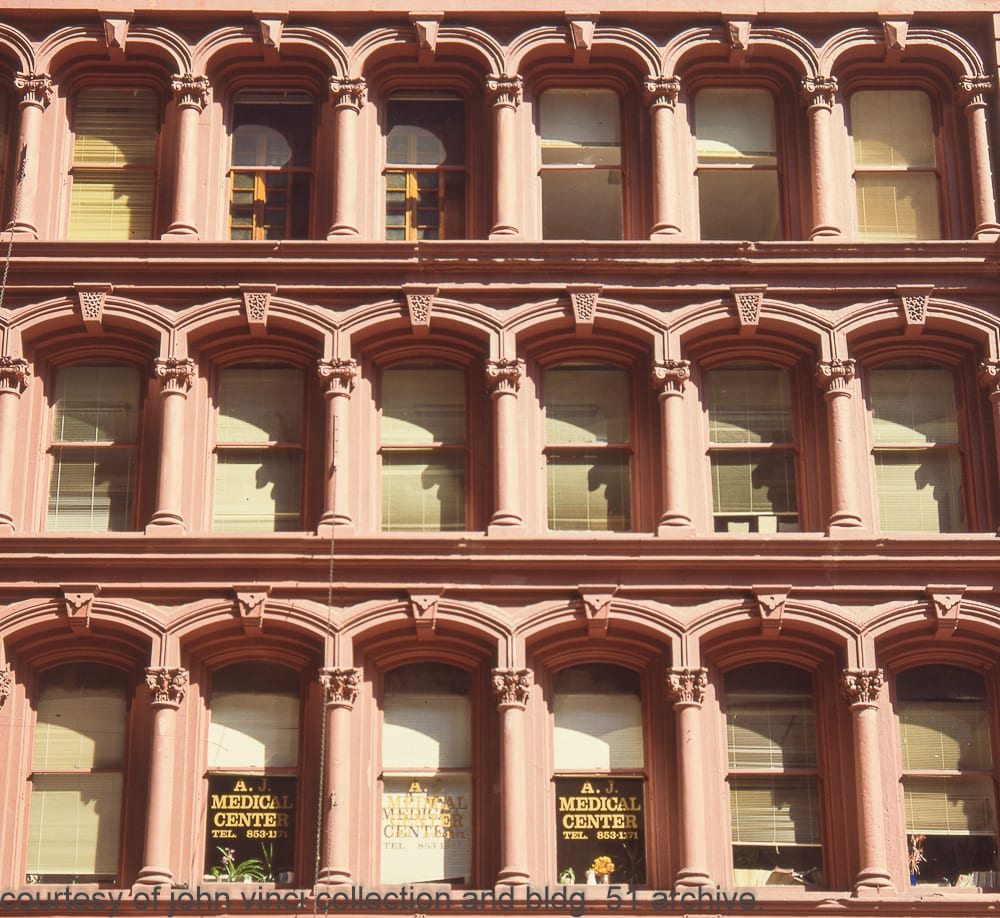
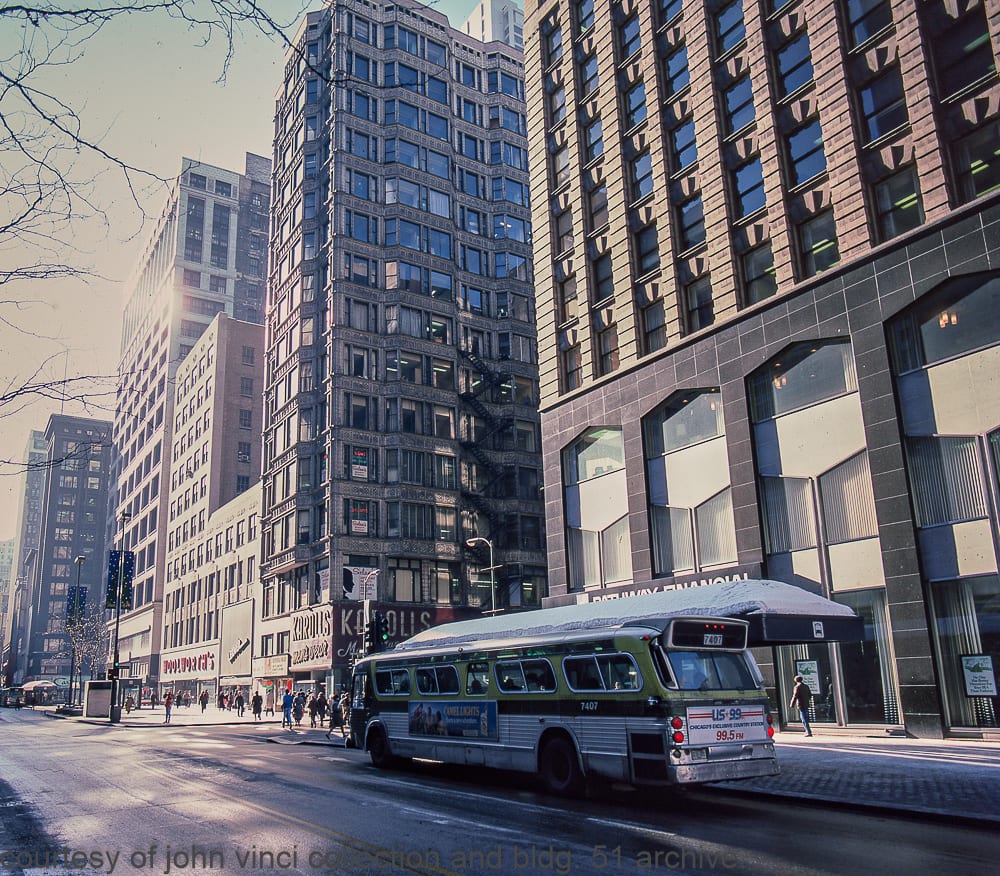
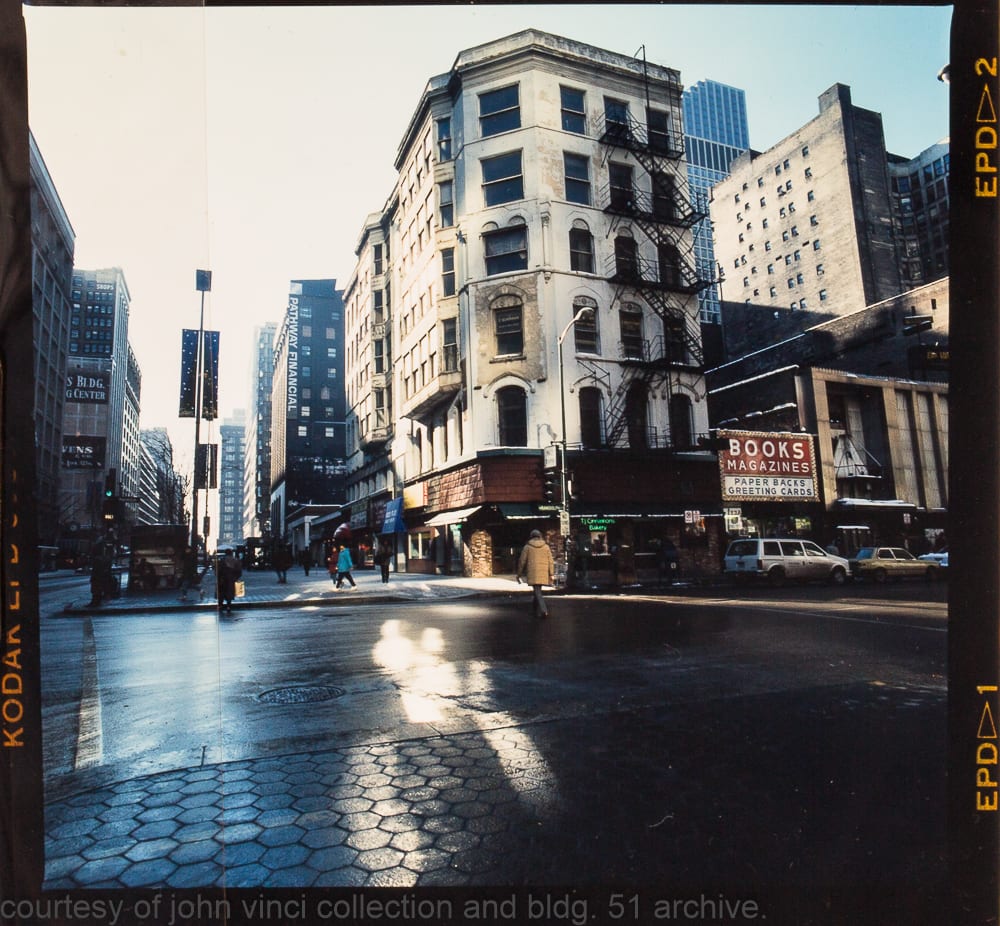
mccarthy building built in 1872 by john mills van osdel, chicago’s first practicing architect. italianate style – corinthian capitals, cut-stone façade. predominately intact, a shining example of architecture before and immediately after the fire of 1871.
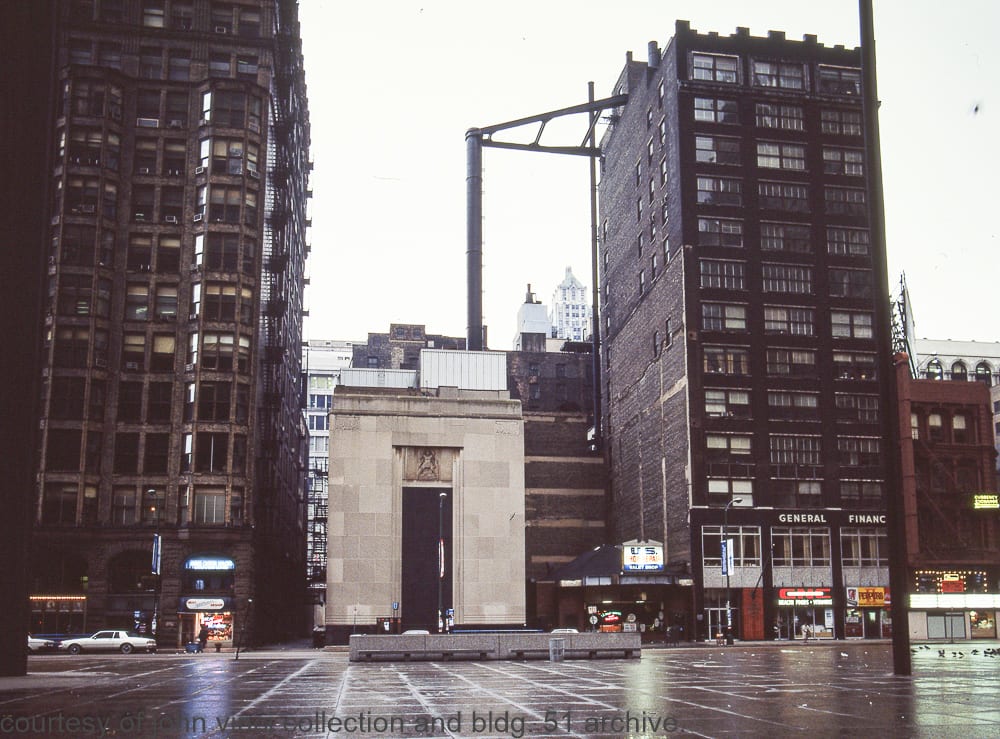
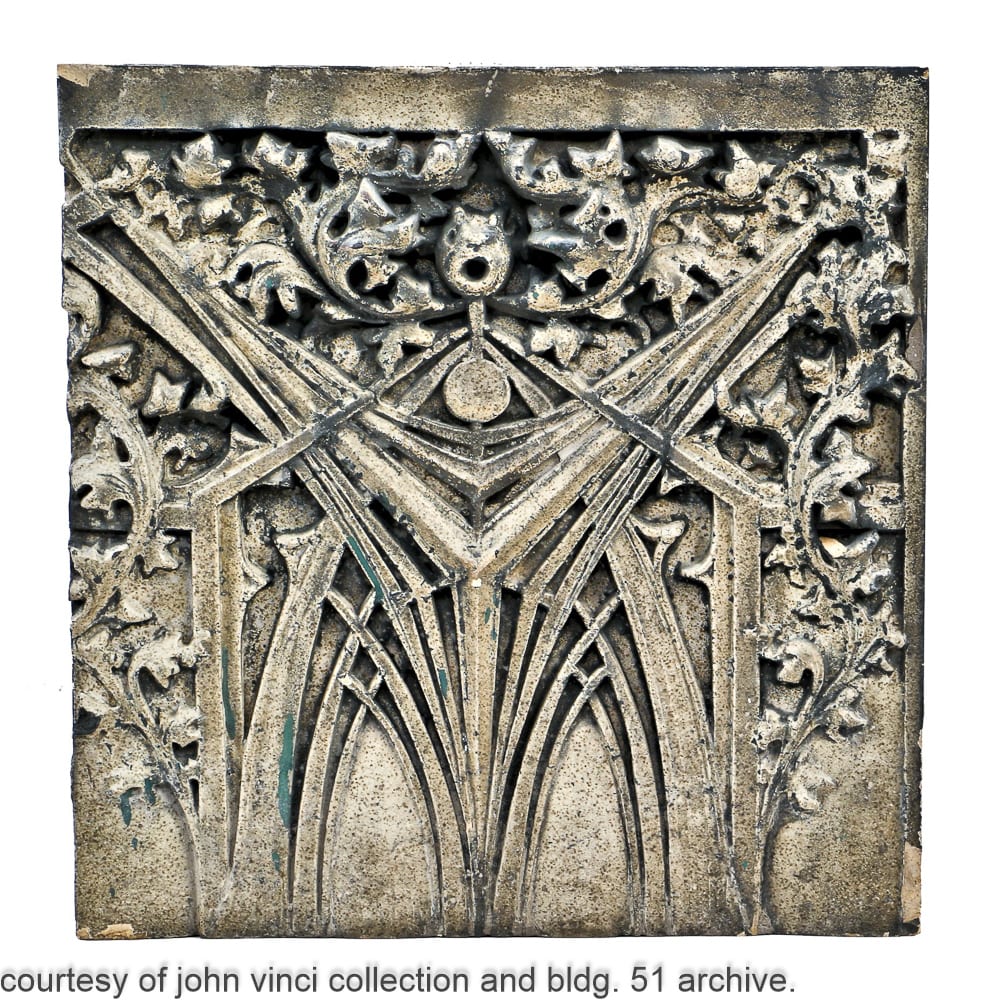
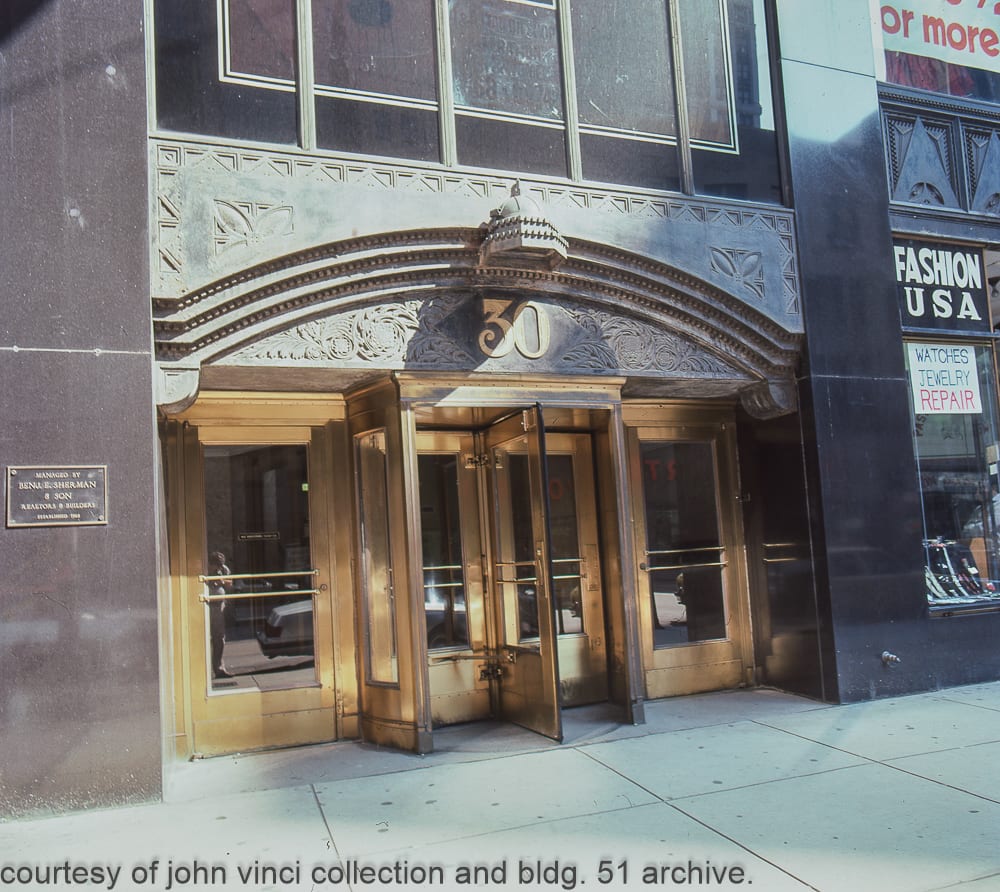
stop and shop building built in 1928 by schmidt, garden, and erickson. 17 stores and three basements. mix of food spaces and offices. art deco façade with swedish black granite and mottled cream colored terra cotta and blue ornament. replaced over the past couple of years by discount clothing and novelty stores. major changes to the store fronts and original quality interiors. hugh garden stylized prairie school ornament. adjoins the mccarthy and western methodist book concern.
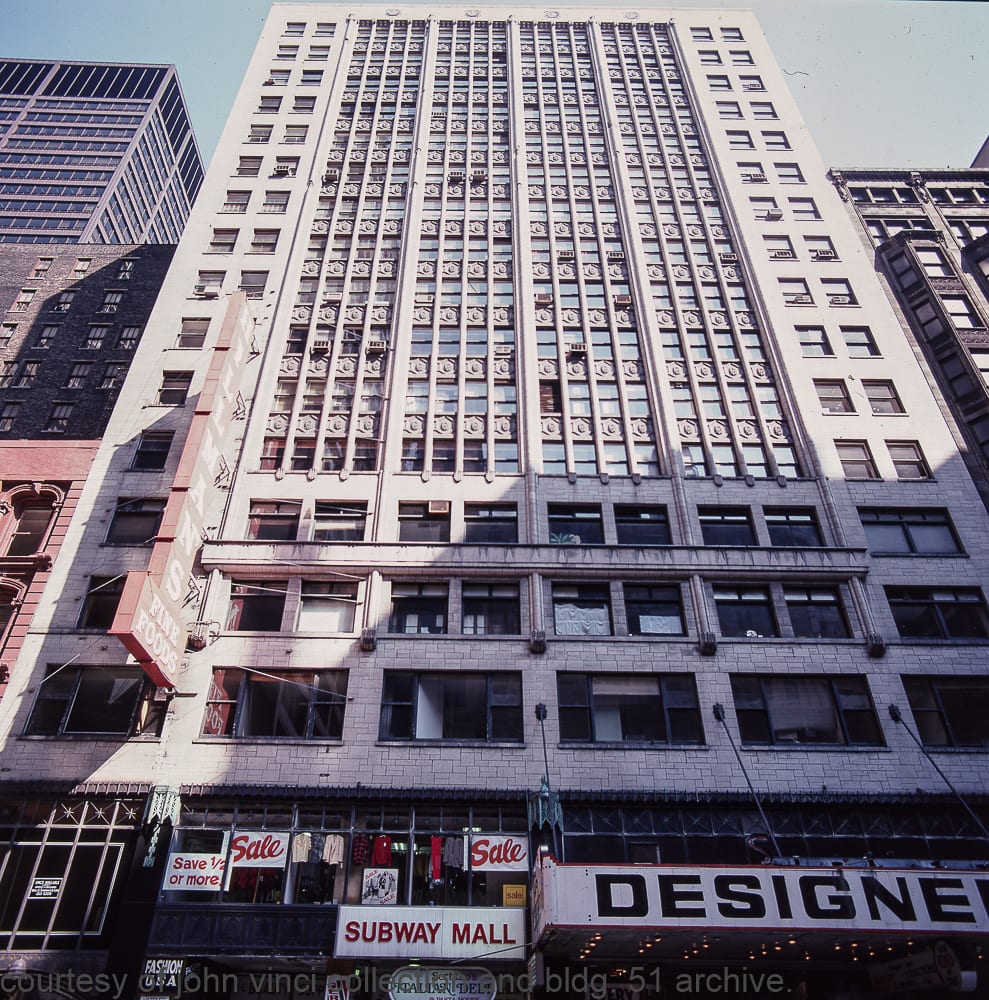
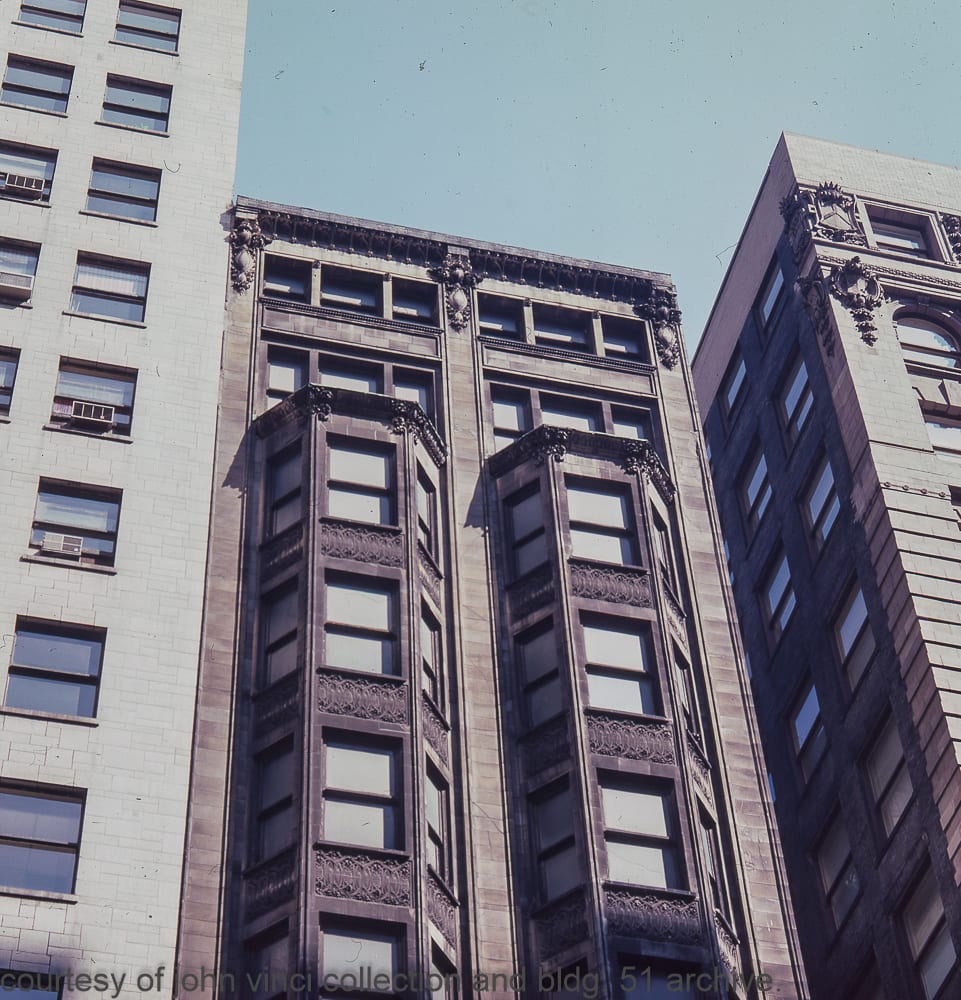
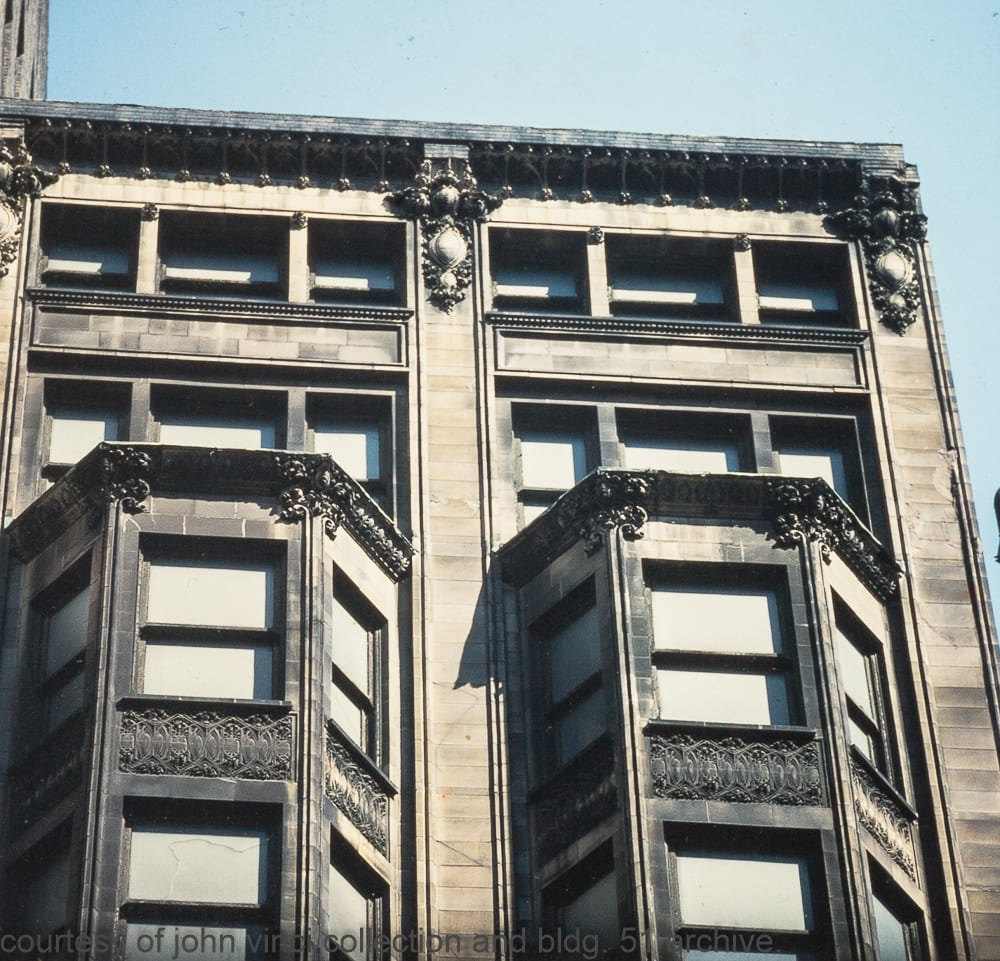
western methodist book concern built in 1899 and designed by architect harry wheelock and engineers e & r shankland. currently occupied by two small shops and used as a warehouse for the stop and shop building. white terra cotta, blackened over the years from a lack of maintenance. significantly altered, the original entrance was in the west bay of the building, the second floor was open with large glass windows, and the third through the ninth floors have paired projecting bays with spandrels decorated richly in sullivanesque motif. an excellent example of prevailing chicago school influence of the 1880s and1890s.
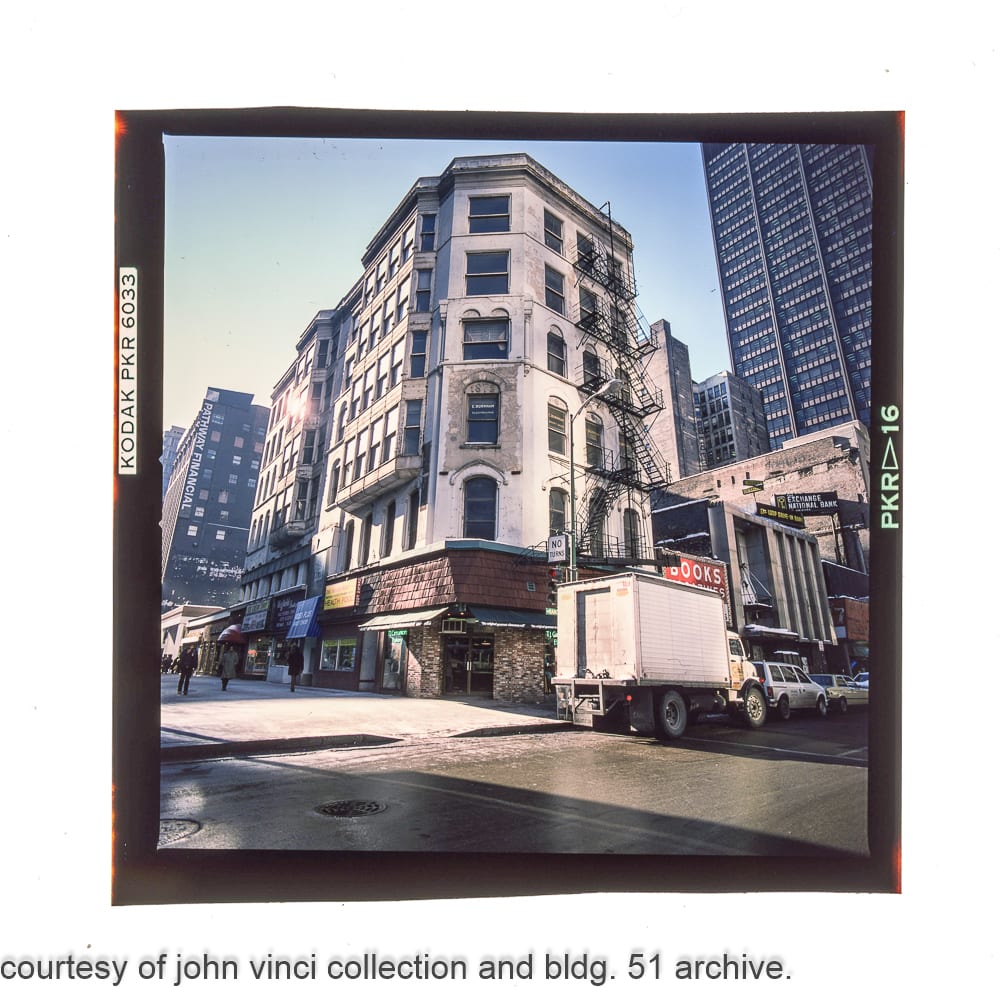
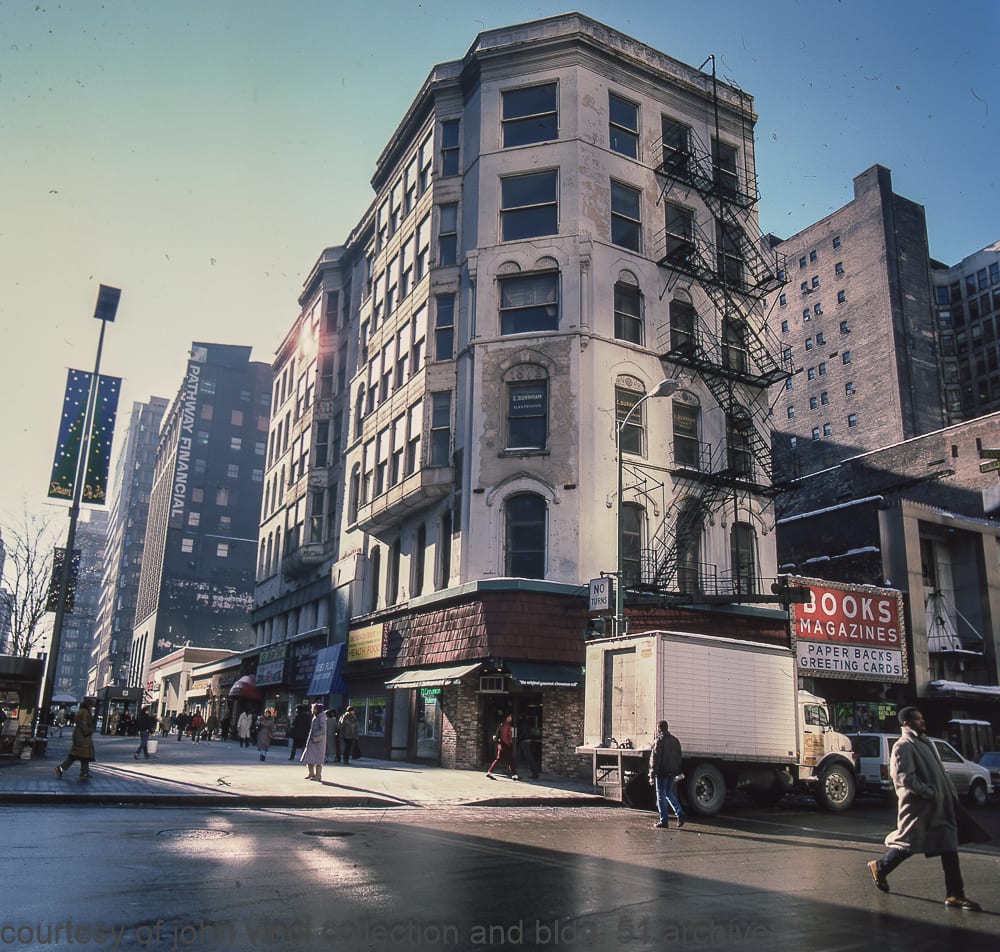
stewart building was built in 1897 by d. h. burnham and company. cream colored terra cotta and brick, the building has also undergone severe changes – the building’s original base and façade no longer exist. originally, there was a richly ornate cornice which no longer exists. although not architecturally significant, the building contributes to the historic context of the reliance and western methodist buildings, compliments their design, and maintains the corner fabric.
springer blockbuilt in 1872 by adler and sullivan, the original store fronts and ground floor no longer exist. the store fronts on the ground floor vary in construction from store to store.
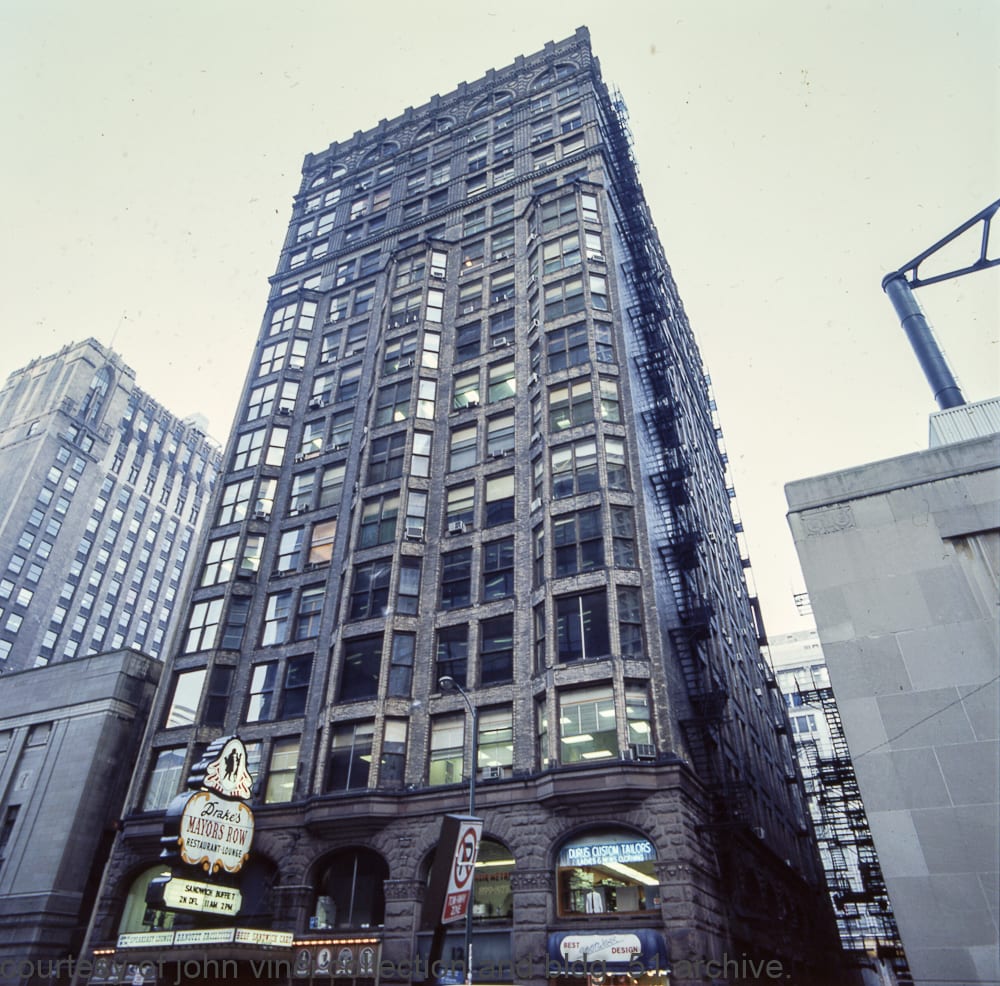
unity building was built in 1892 by architect clinton j warren. all of the corridors have original marble floors which are now carpeted. the façade is reminiscent of the early chicago school buildings – the building’s base are finished in a rough cut pink granite with carved capitals. this is contrasted with the proceeding floors smooth buff colored brick. vertical emphasis and depth is added by three vertical columns of bay windows.
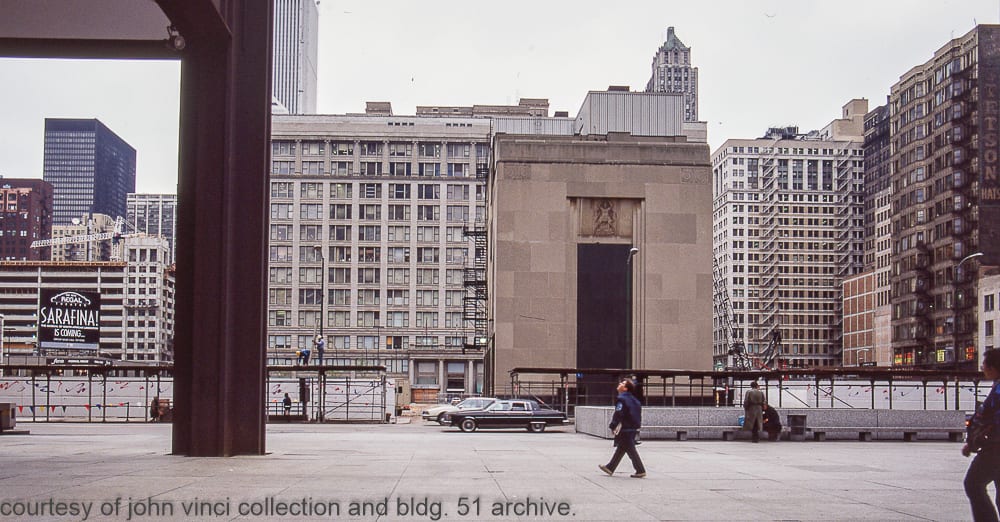

additional john vinci images of the block after it was cleared of buildings so many fought to save: