
chicago board of trade (1930, holabird and root, architects) through images and artifacts culled from the bldg. 51 archive.  chicago board of trade building (1930, holabird & root, architects) featuring 31-foot aluminum statue of ceres, roman goddess of agriculture. the figure was sculpted by artist john...

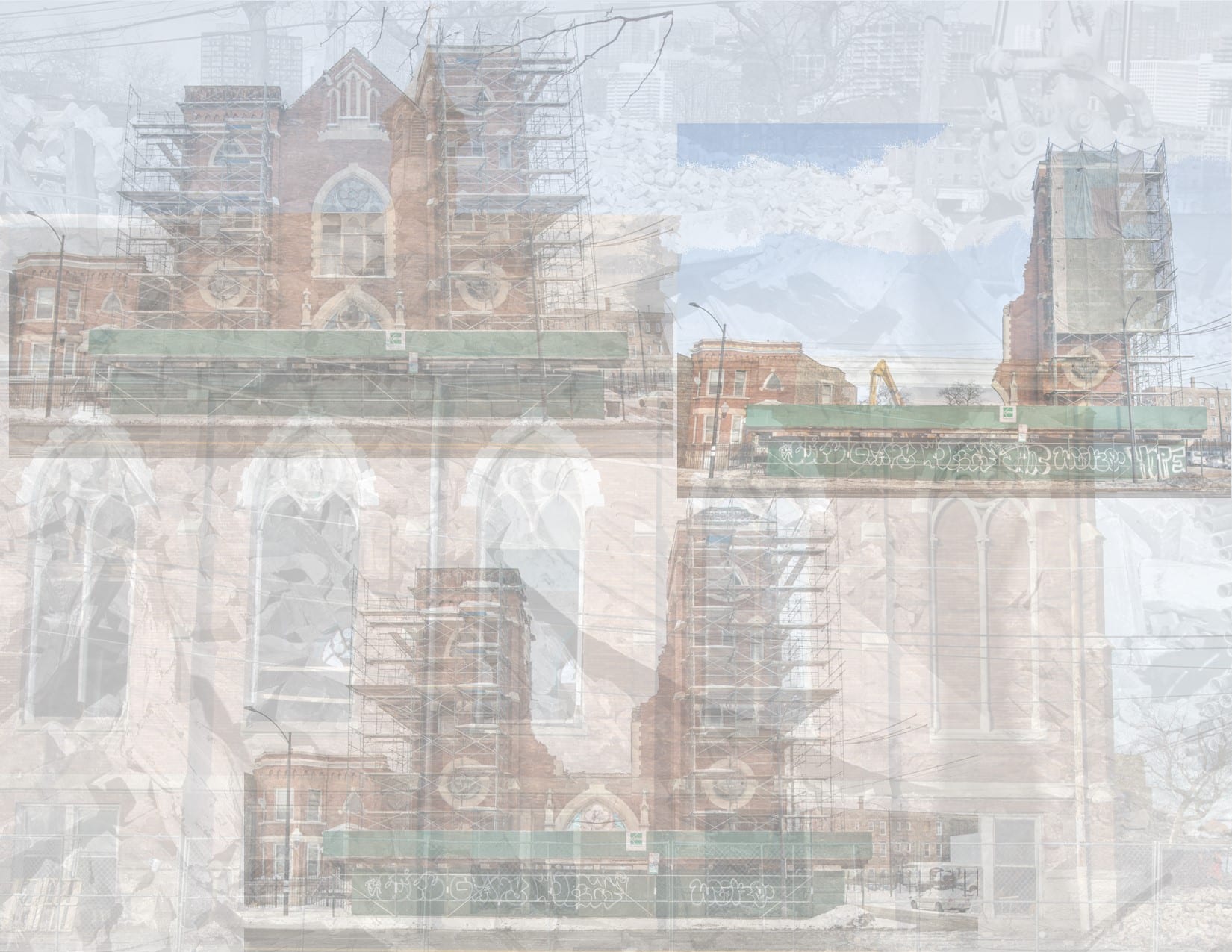
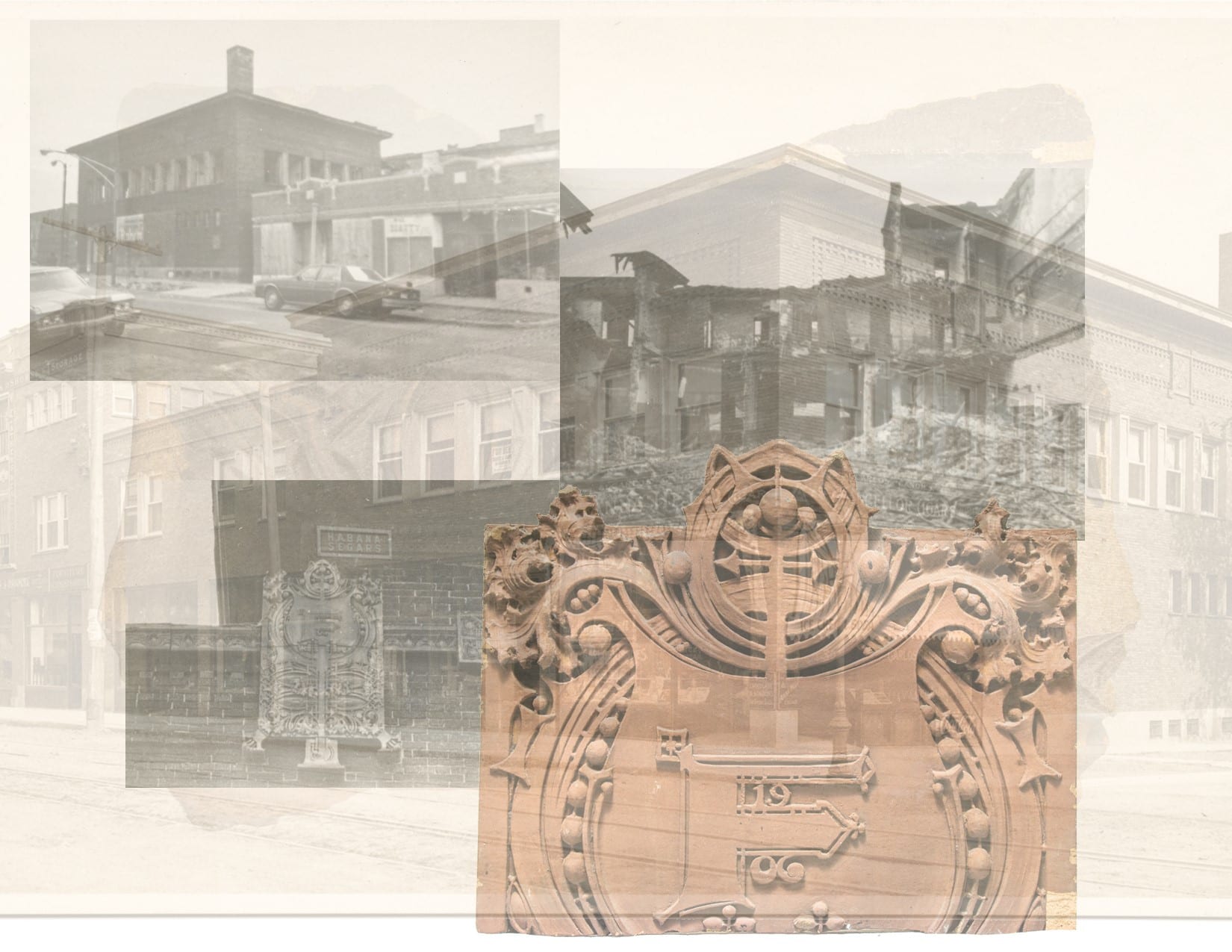
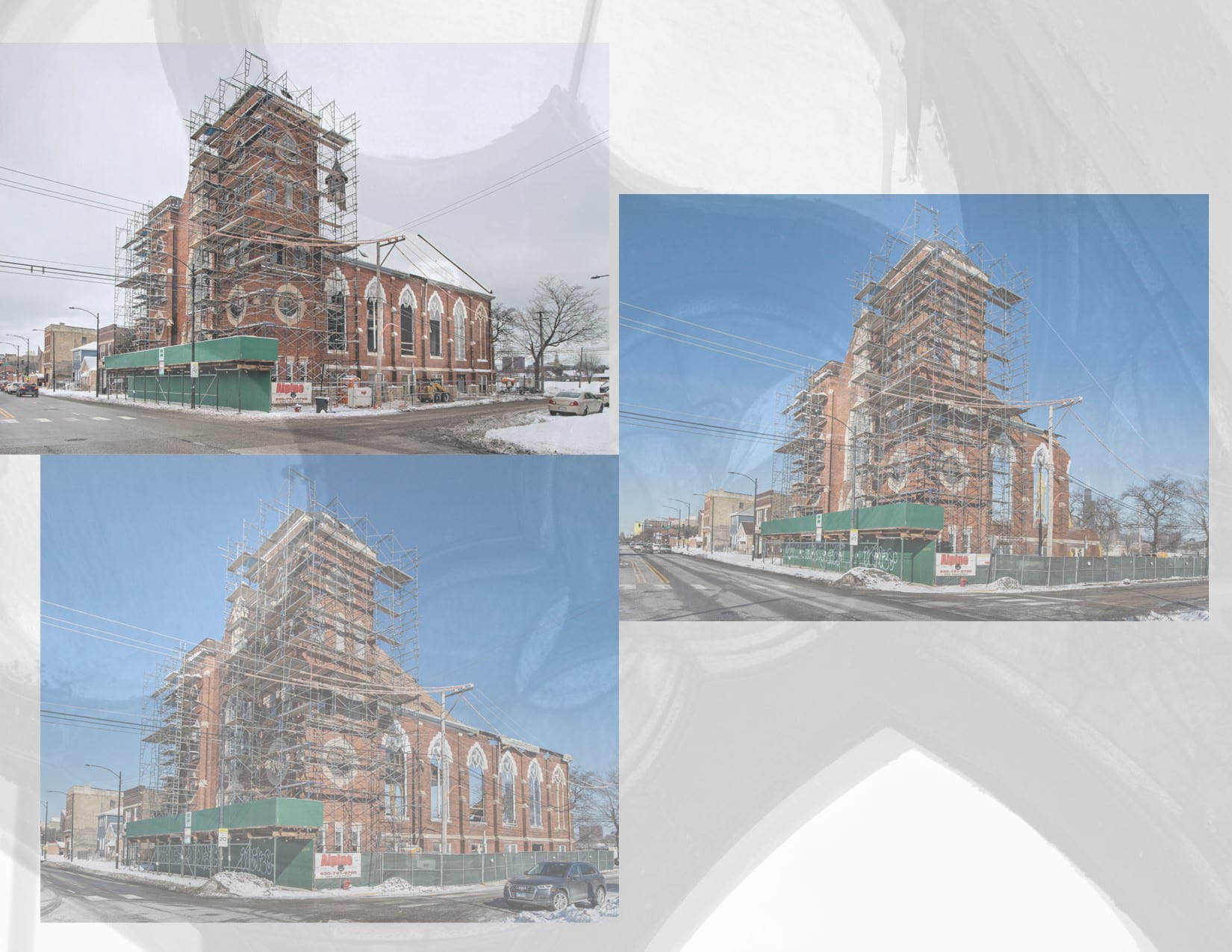
third and final installment, documenting the death of chicago's second german evangelical zion church, built by chicago architect  theodore duesing in 1905.  sadly, but not suprisingly, nothing was salvaged and/or saved during its demolition. interestingly, the cornerstone didn't have a time capsule. ...

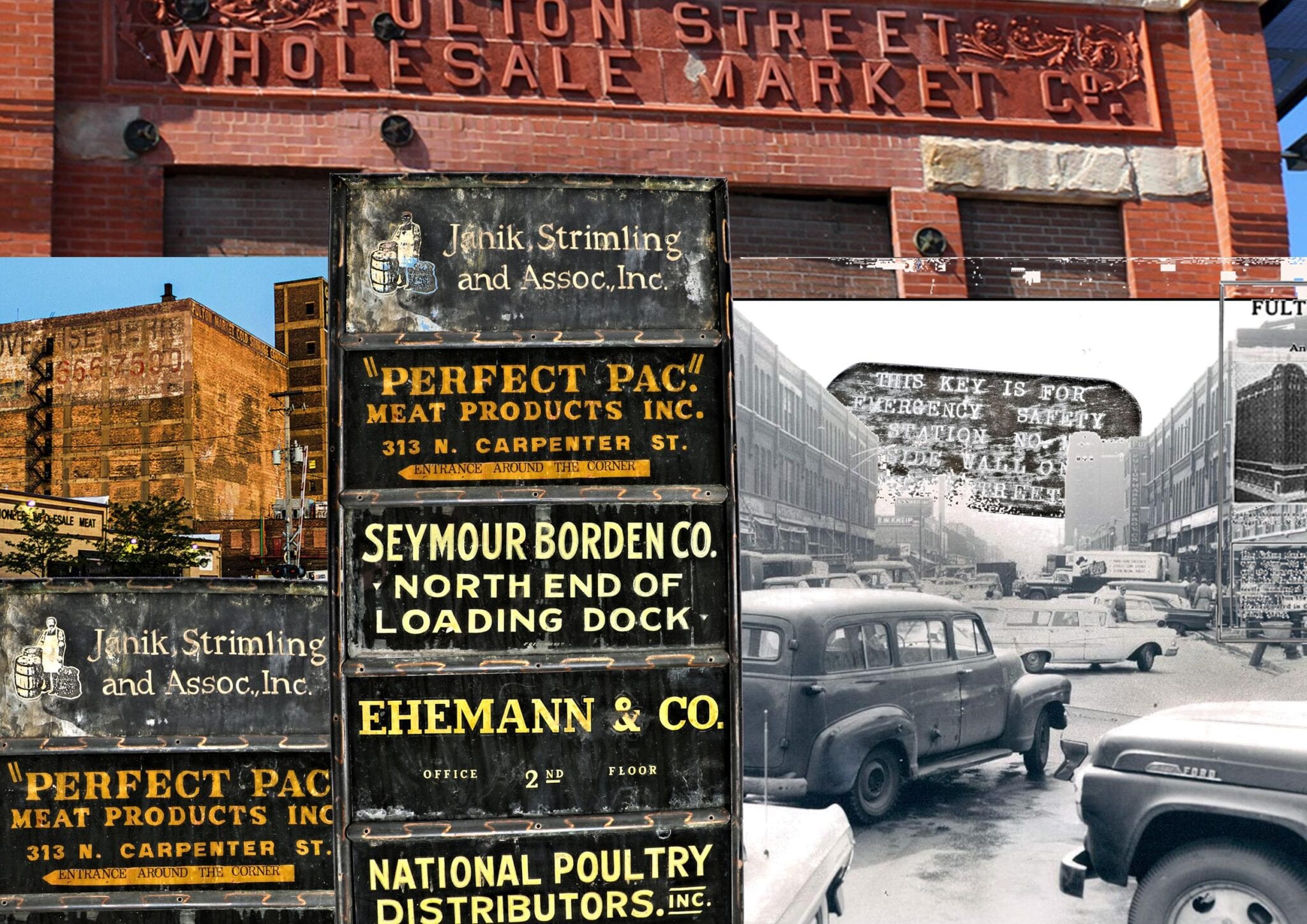
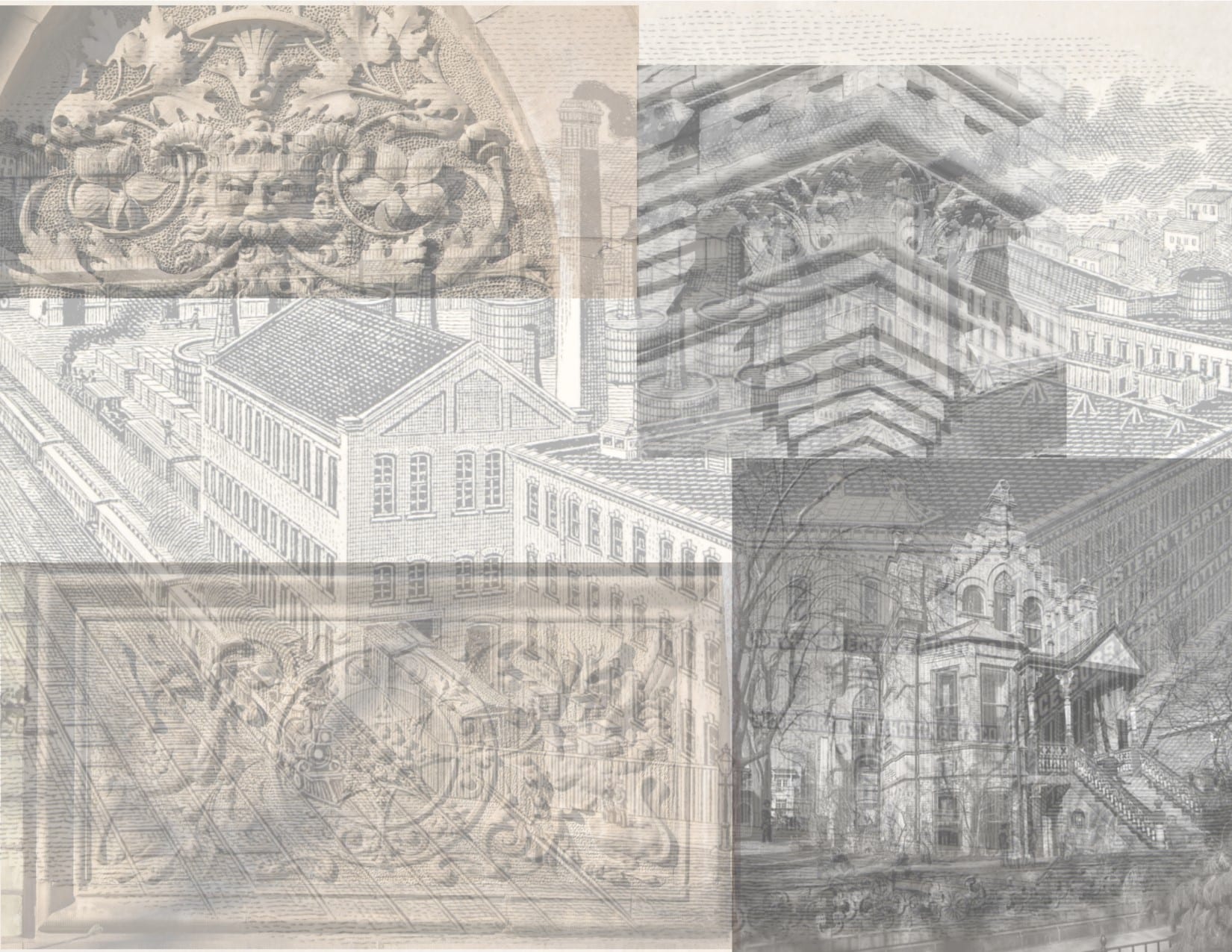
before its rapid transformation, the “fulton street market” of tech giants and restauranteurs was a quintessential part of chicago’s industrial past, a thriving home to the city’s first century as a gritty, blue collar hub, where food distribution and manufacturing boomed. sadly, as preservation becomes...

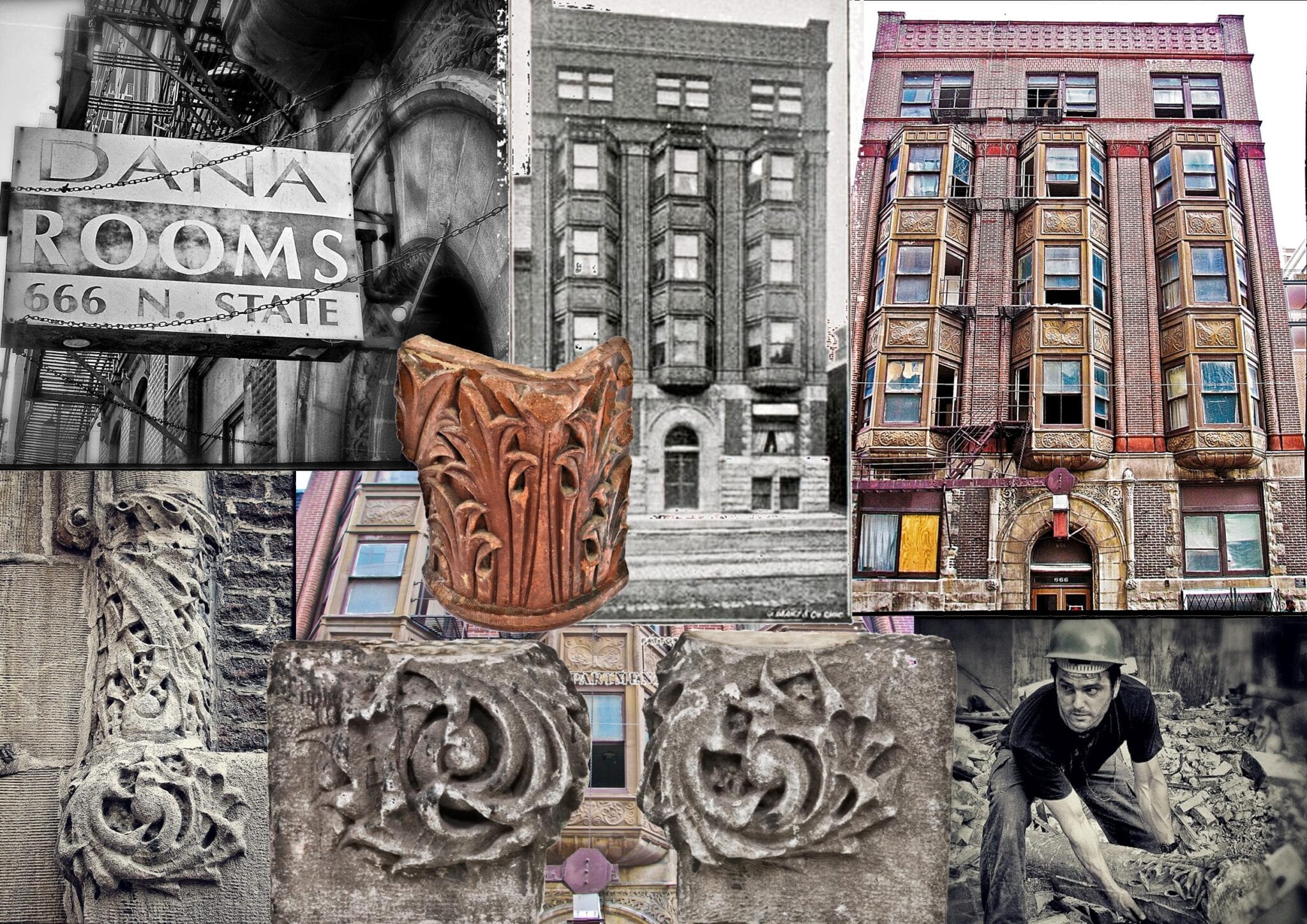
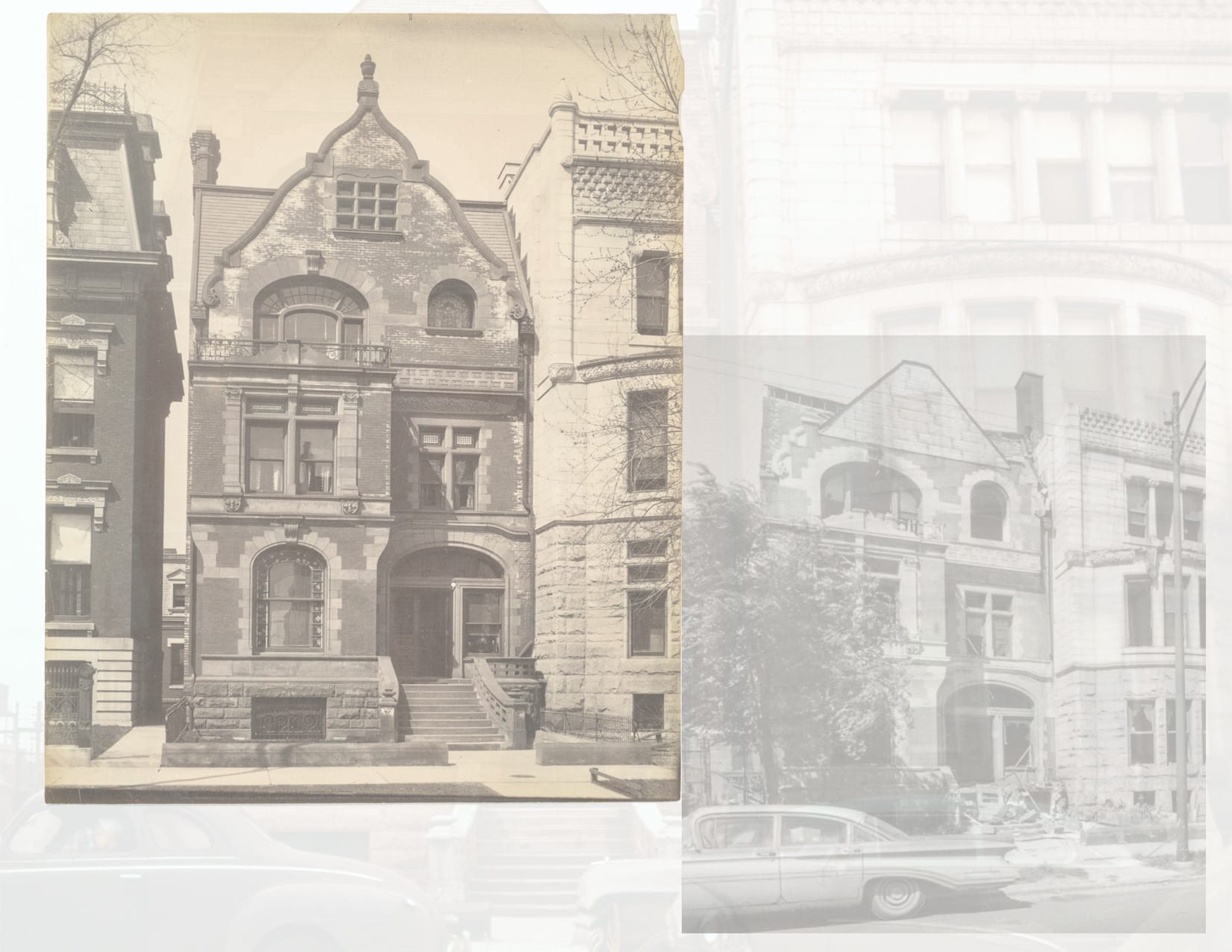
before it was demolished nearly 10 years ago, the patton and fisher-designed dana hotel (built as the erie apartment building in 1891) was chicago's oldest continuously-running hotel, and one of the oldest extant hotel structures in the city. it was furthermore, a remarkable queen anne style...

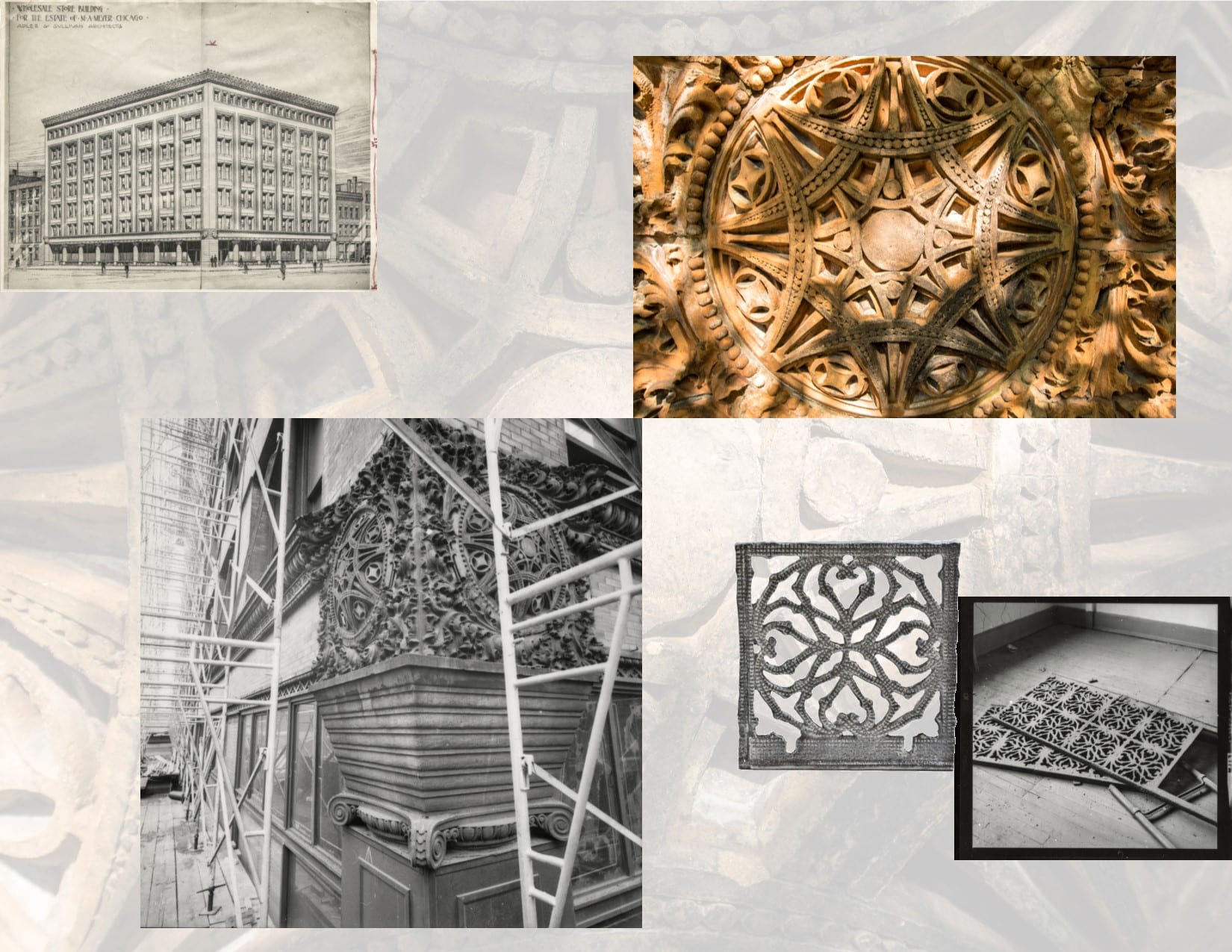
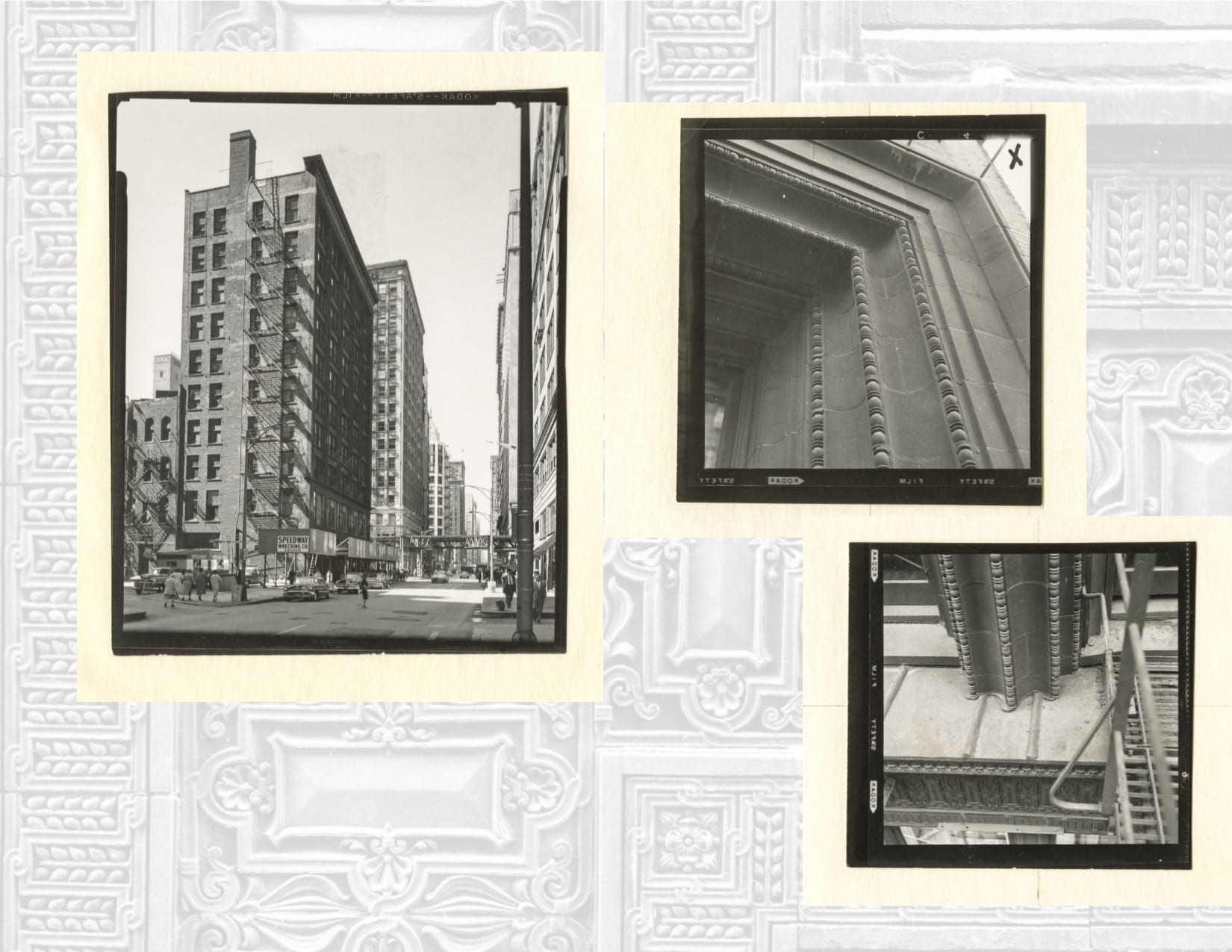
richard nickel images documenting the demolition of adler & sullivan's meyer building or commercial lofts (1892). the 7-story structure was commissioned by the estate of m.a. meyer, a former partner in selz, schwab, & company.  the heavily fortified masonry and terra cotta m.a. meyer lofts...

  This Popular House Style in Chicago is Going Extinct Workers cottages, once a staple of Chicago’s middle-class culture, came to define the character of its residential neighborhoods. Now they’re being demolished in the name of urban development. Can they be saved, or will they slip, one...

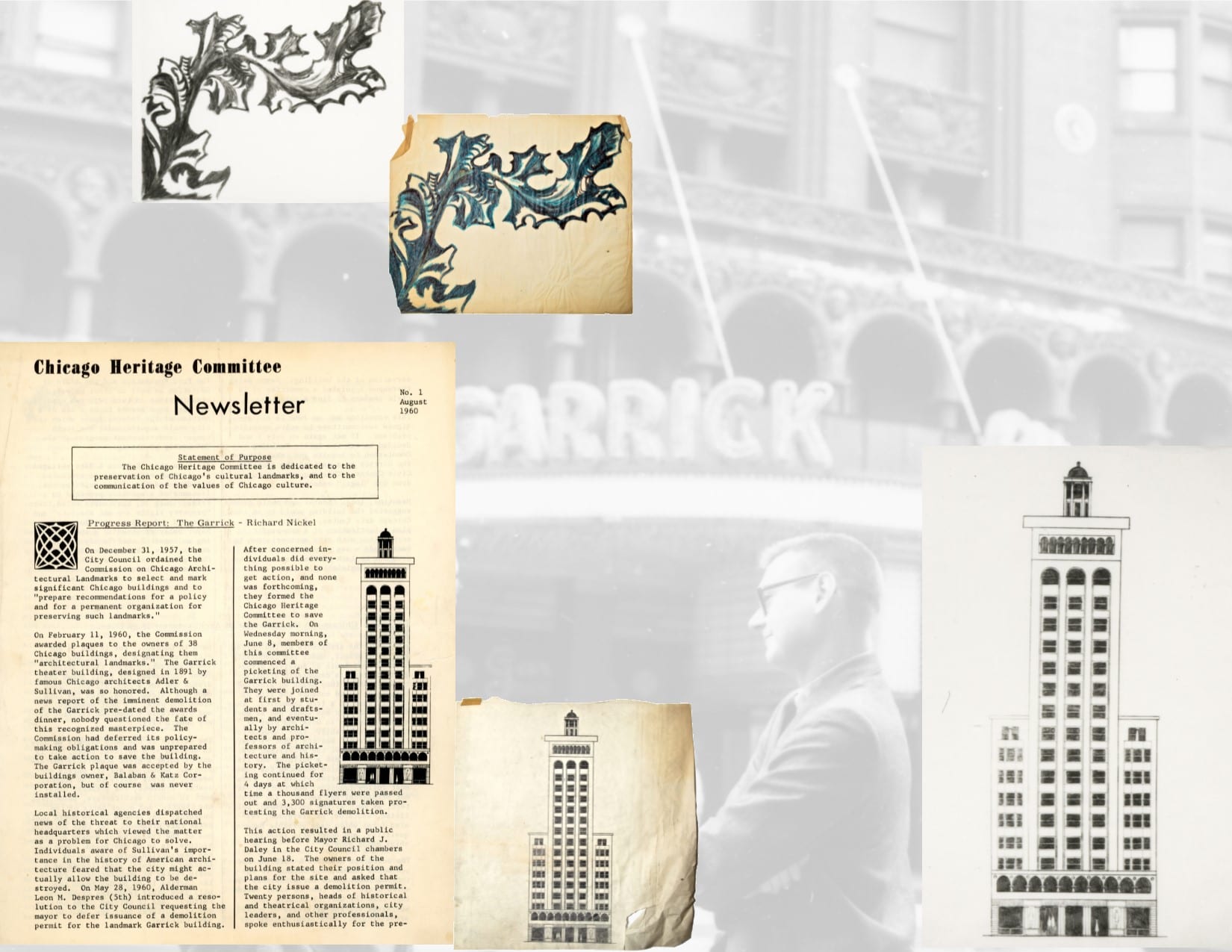
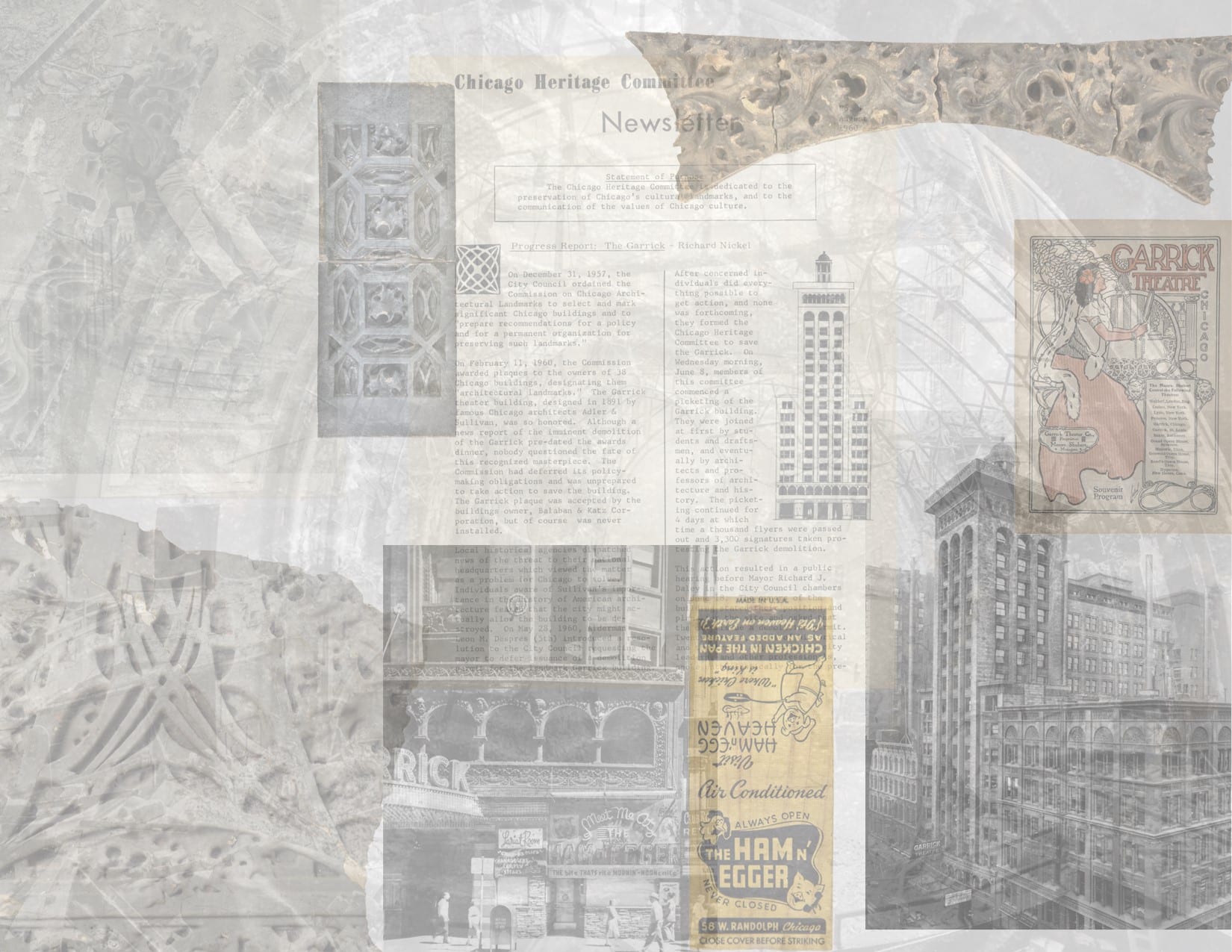
the chicago heritage committee was formed in 1960 by richard nickel and thomas stauffer shortly after nickel finished documenting the garrick theater. the committee was essentially created to save the garrick theater. the grass-roots organization was the first of its kind devoted to architectural preservation in...

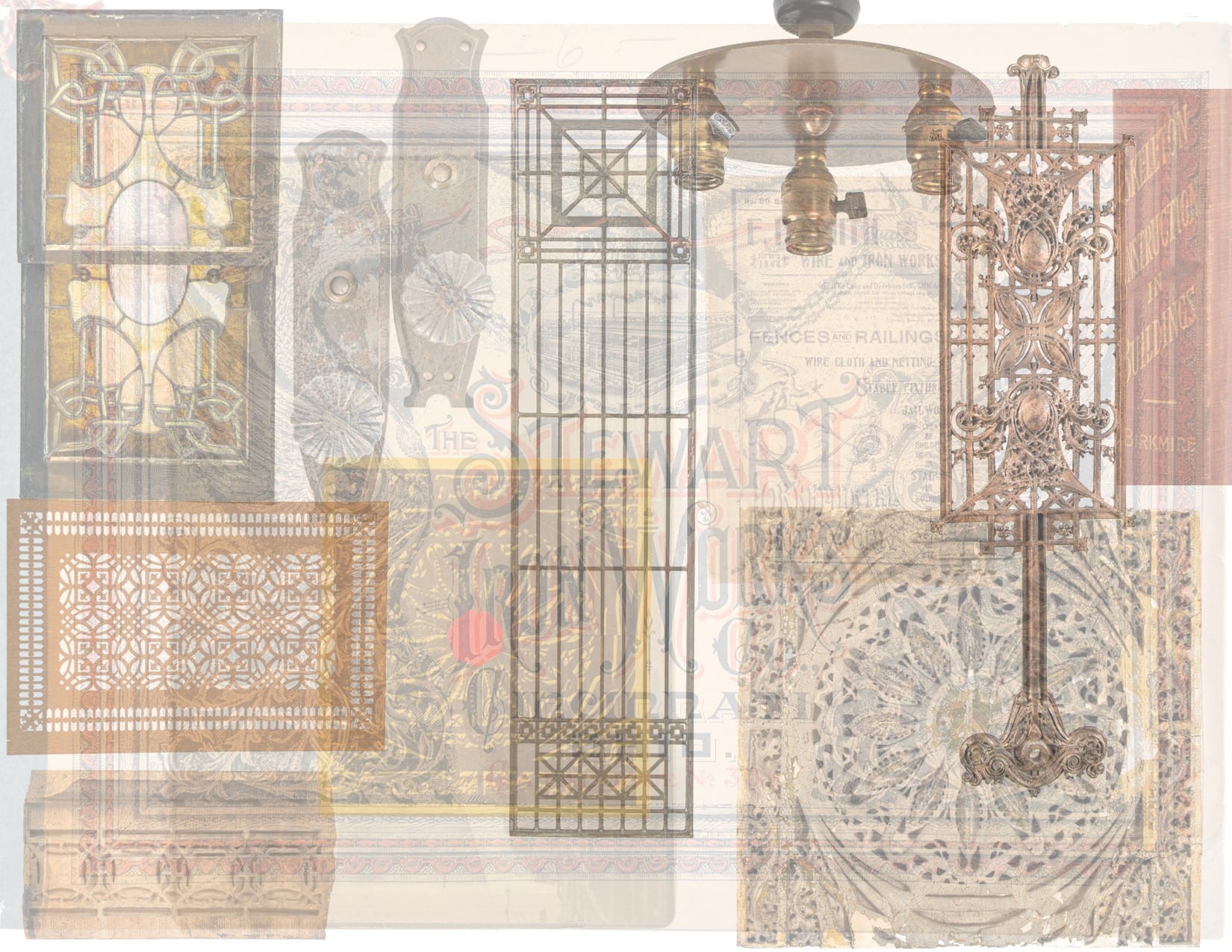
the following images represent a well rounded cross section of historically important architectural ornament, artifacts, objects and ephemera recently added and/or digitized to the bldg. 51 museum archive as of february, 2021. a more focused and in-depth blog post, with detailed captions, will highlight some...

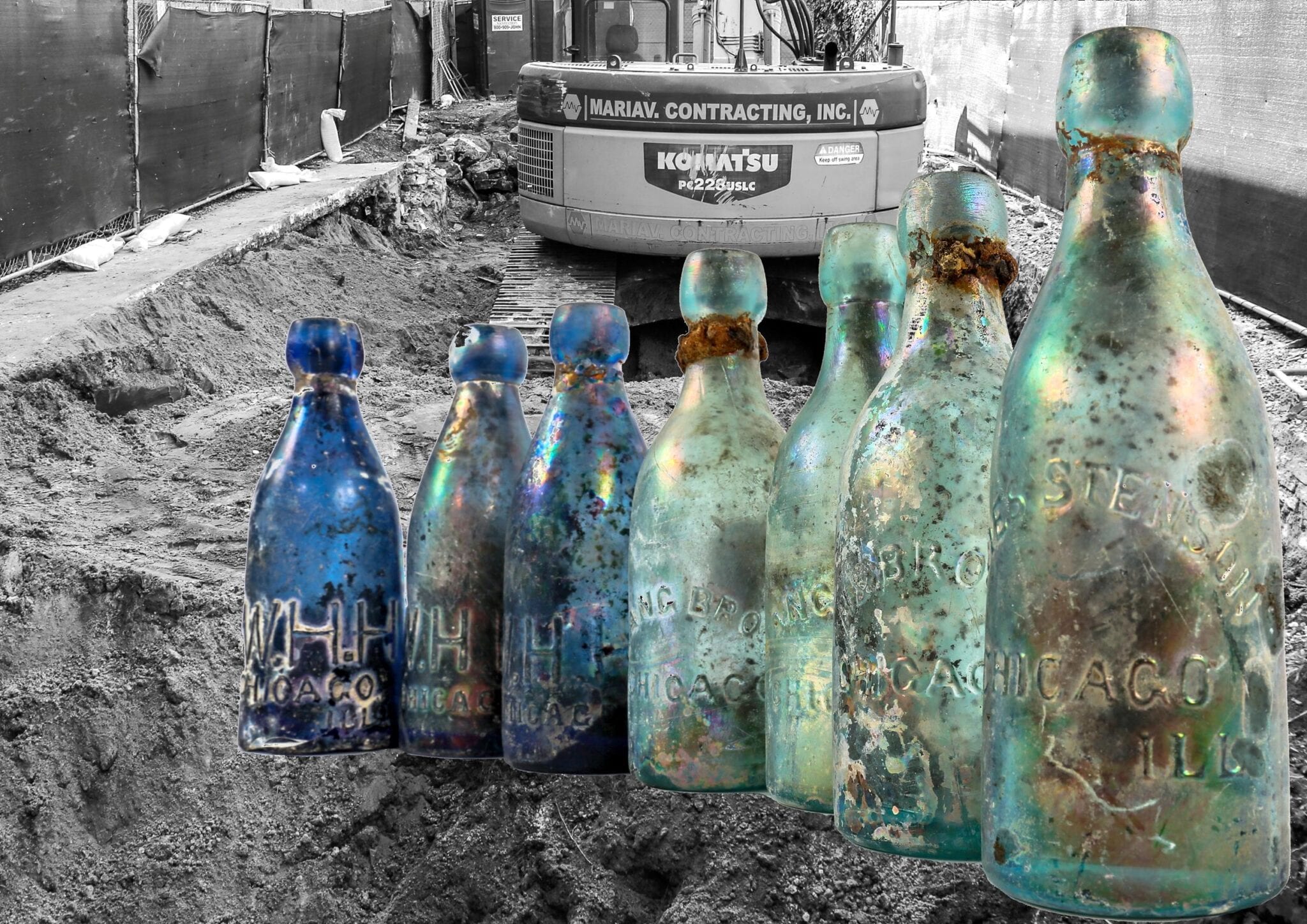
several amazingly intact post-fire chicago soda "blobtop" smooth base bottles were discovered during excavation of a lot where a wood-frame cottage (1873-1876) once stood. the majority of the bottles unearthed, were made for bottler william h. hutchinson (whh). nearly all of the bottles were found...

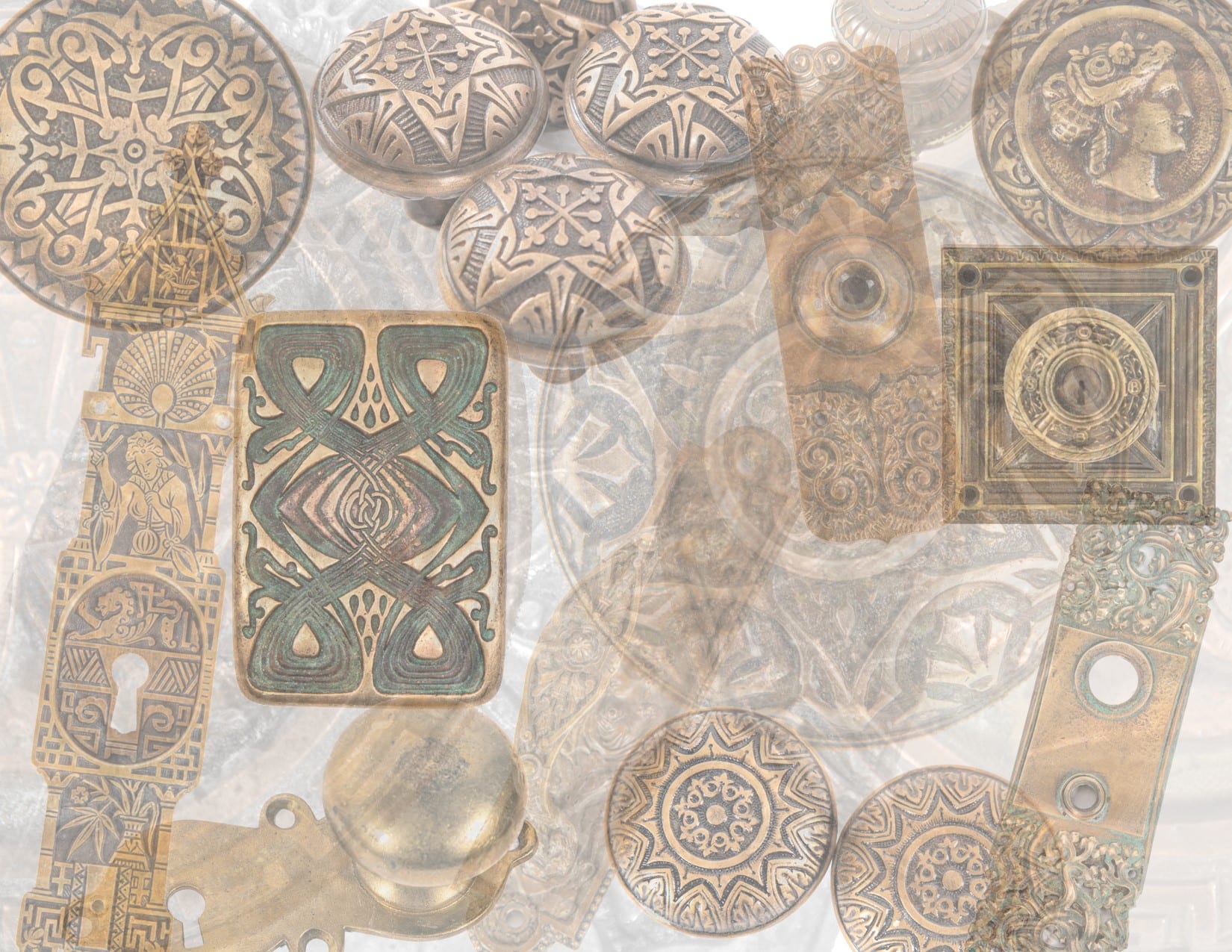
the following image gallery represents a fraction of 19th and early 20th century american builders' hardware recently added to urban remains website catalog. several examples salvaged from historically important buildings across the country will be added in the coming months as well.  ...

the felsenthal store, apartment, office and loft building was designed and built by louis h. sullivan in 1906 for eli e. felsenthal (friend and family attorney for sullivan's former partner, dankmar adler). the two-story masonry building was located at 701-709 east 47th street, chicago, ills.  the...

the following images in the gallery below offer a glimpse at any and all artifacts and ephemera pertaining to adler and sullivan's schiller building (later known as dearborn and garrick theater) completed in 1892. the artifacts, including interior and exterior architectural ornament (e.g., terra cotta,...

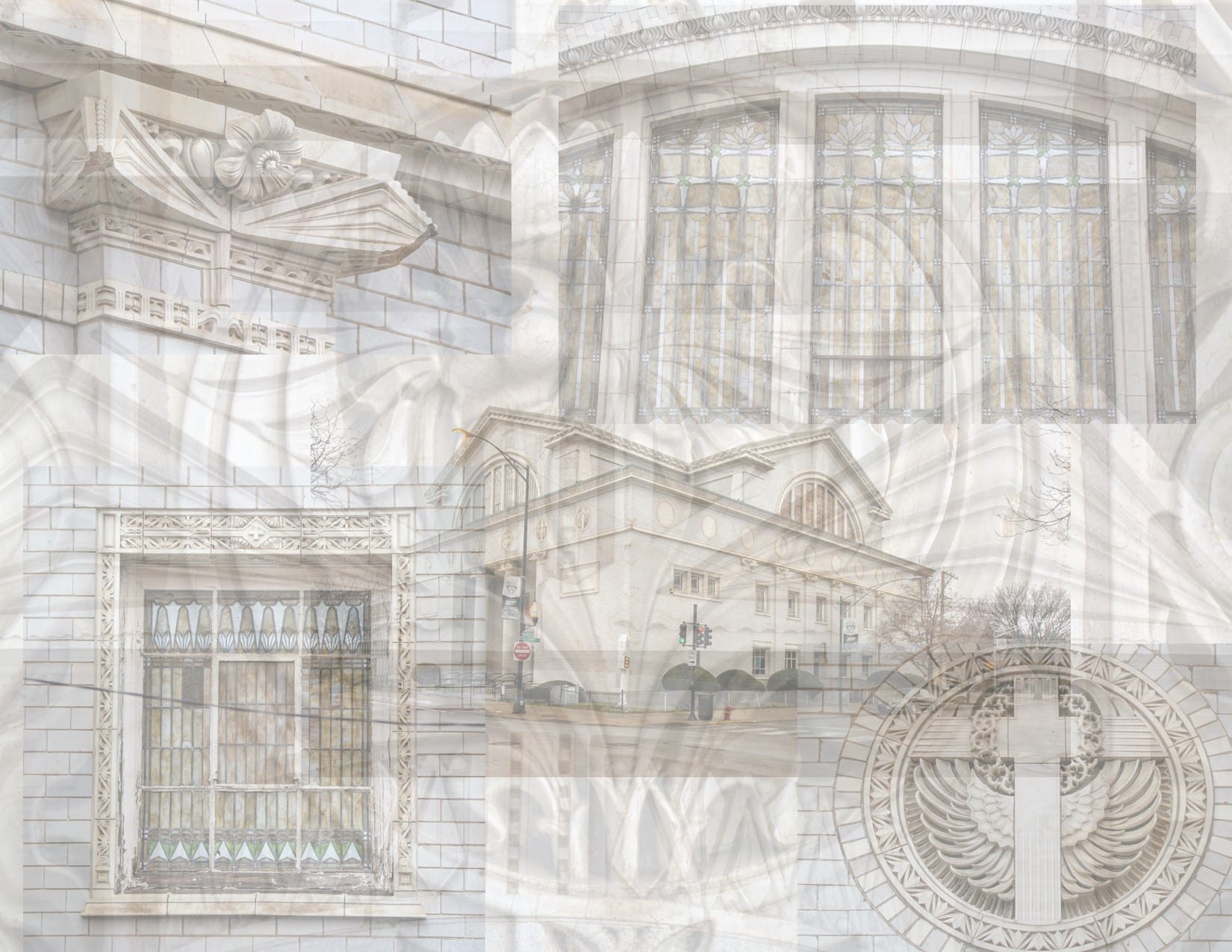
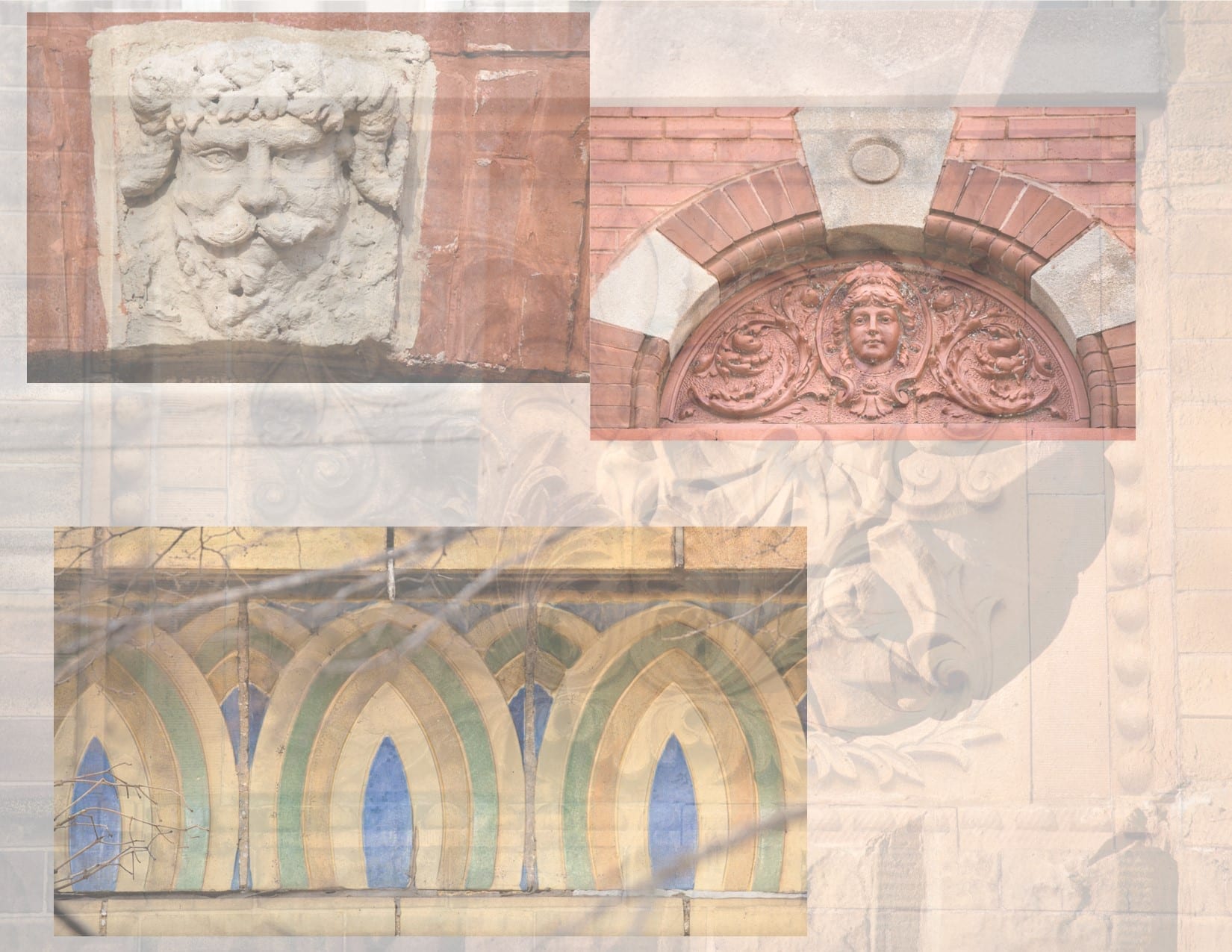
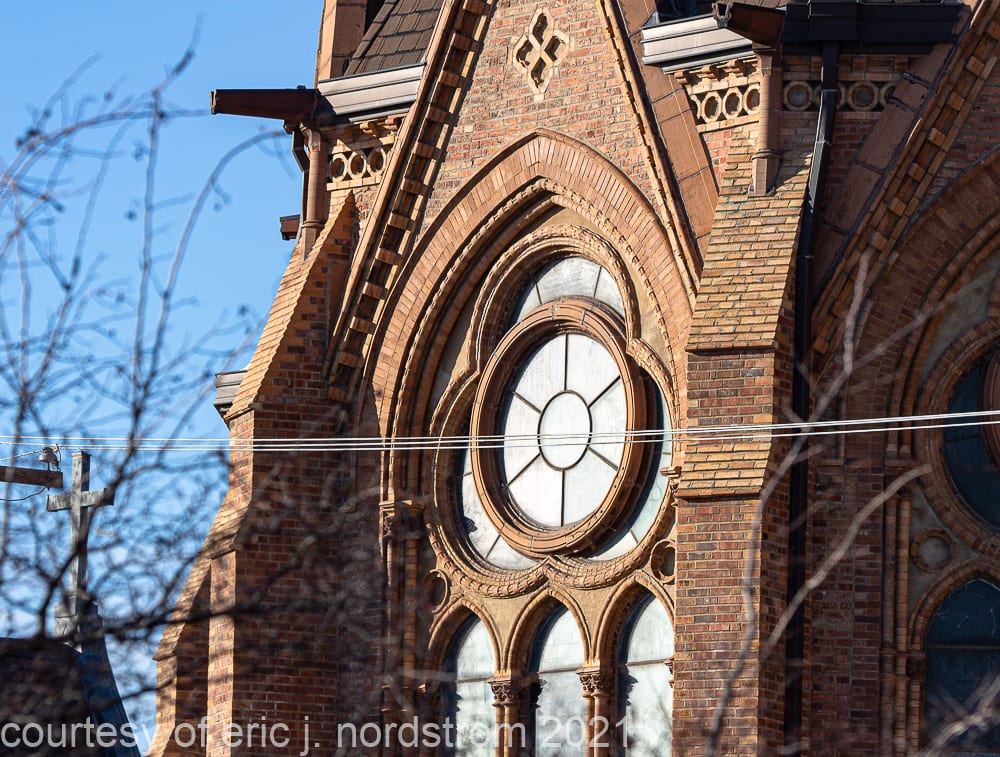
latest photographic images from the chicago architectural ornament survey (as of january, 2021) is provided below. the photographic images focus on architectural ornament located on historically important extant buildings located in downtown chicago and surrounding neighborhoods where the historic fabric is largely intact and well-maintained.  among the...

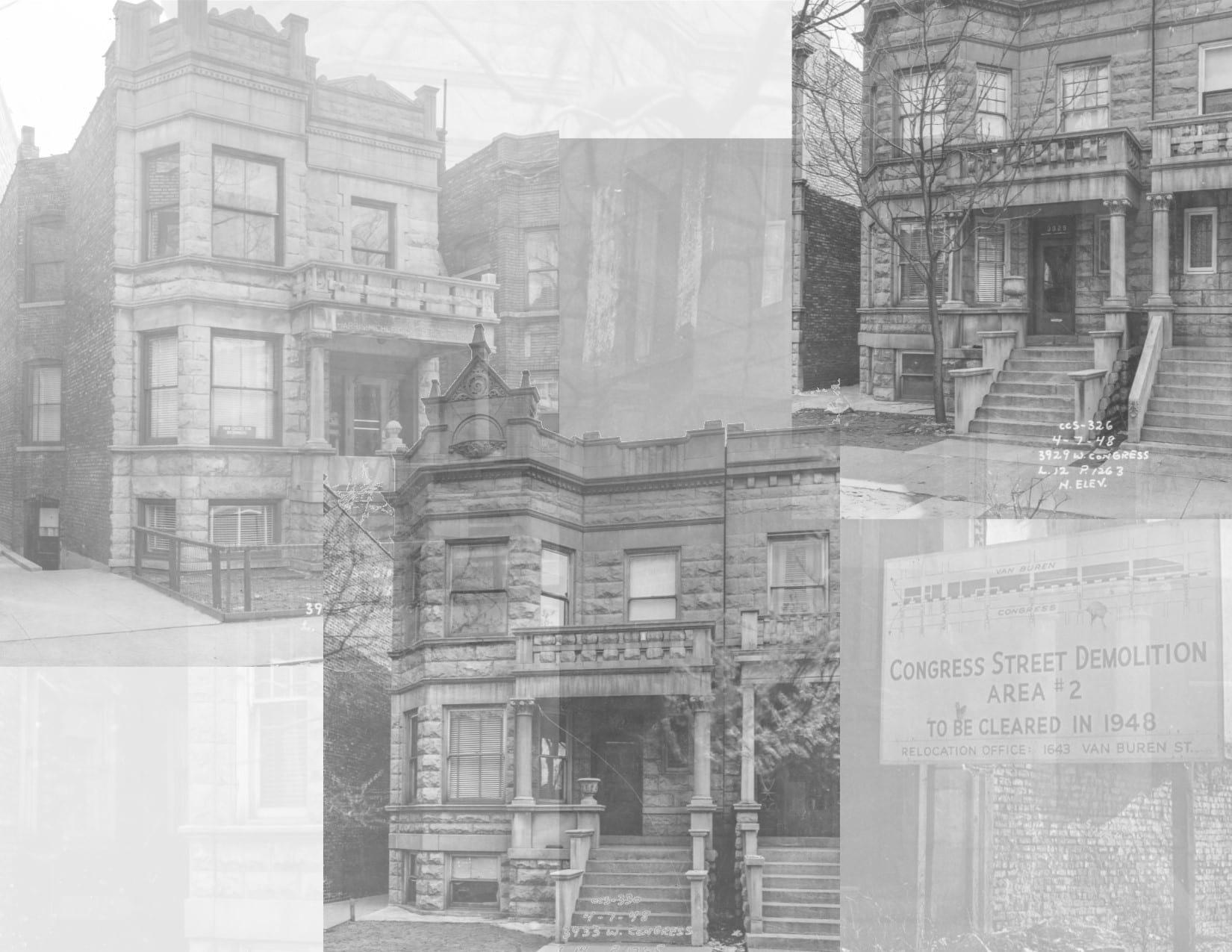
images of chicago greystone causalities to make way for congress street express way in 1948. to establish fair market value, the city made photographs and property valuations for each and every property targeted for demolition. despite the widespread destruction and displacement, at least there's an extensive visual...

error: Content is protected !!