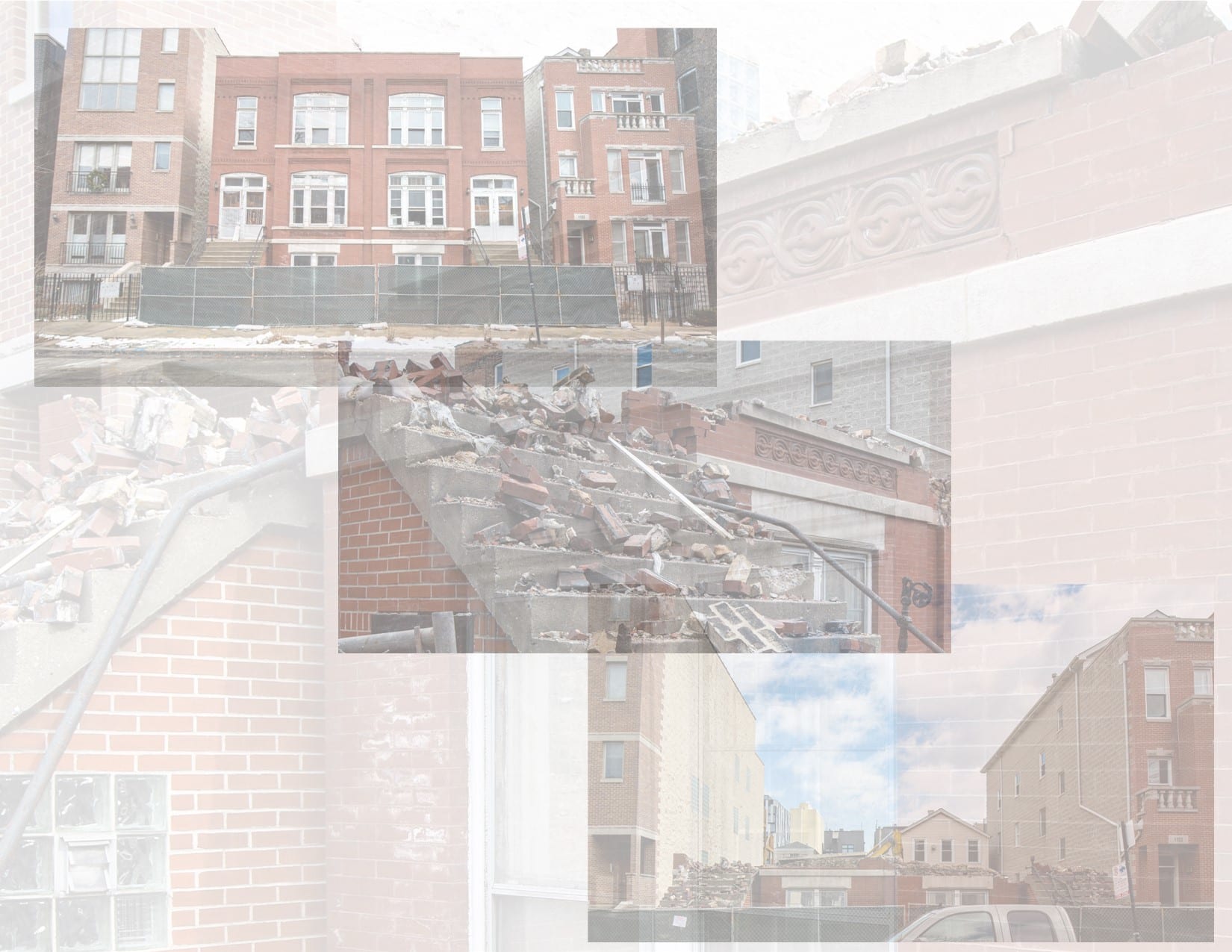

This Popular House Style in Chicago is Going Extinct Workers cottages, once a staple of Chicago’s middle-class culture, came to define the character of its residential neighborhoods. Now they’re being demolished in the name of urban development. Can they be saved, or will they slip, one...

the chicago heritage committee was formed in 1960 by richard nickel and thomas stauffer shortly after nickel finished documenting the garrick theater. the committee was essentially created to save the garrick theater. the grass-roots organization was the first of its kind devoted to architectural preservation in...

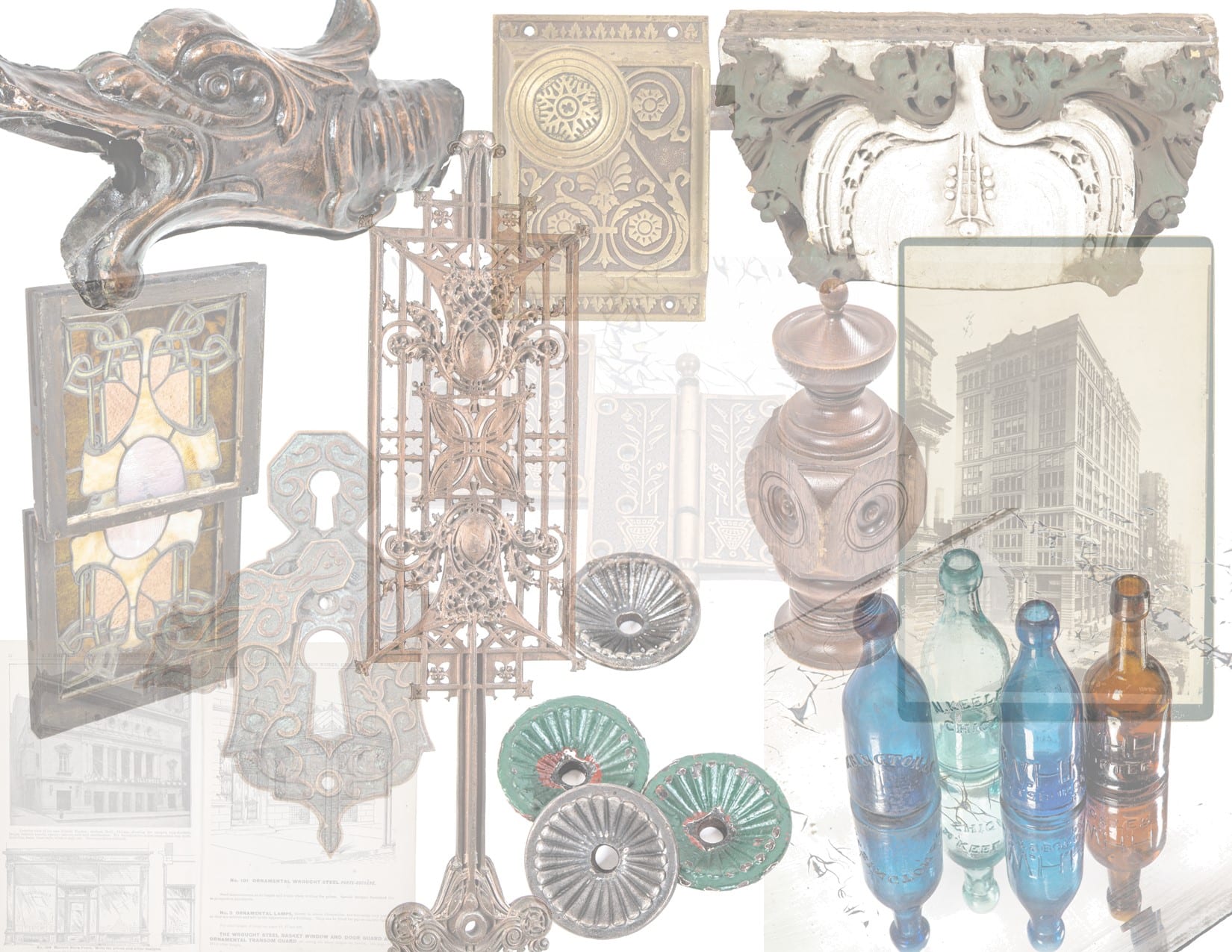
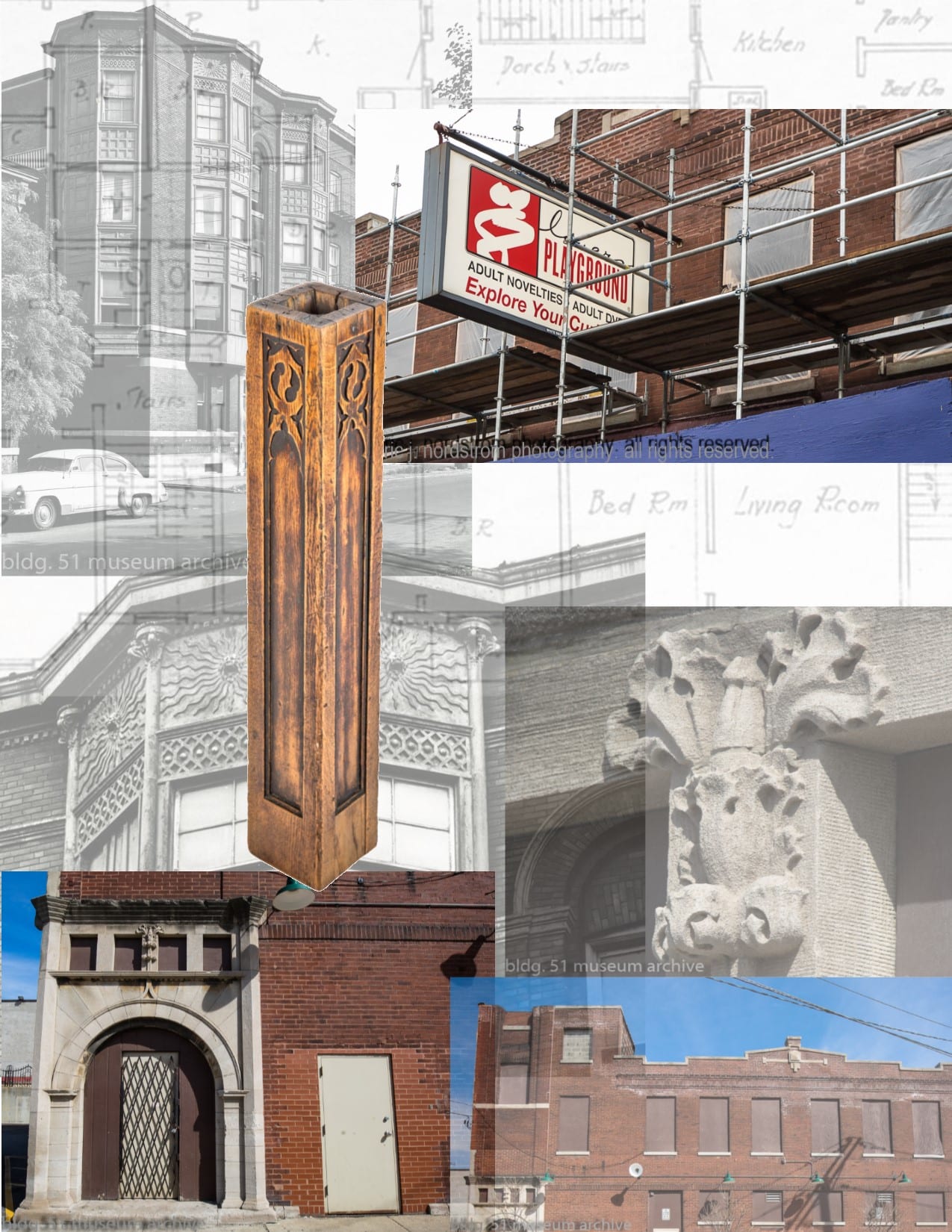
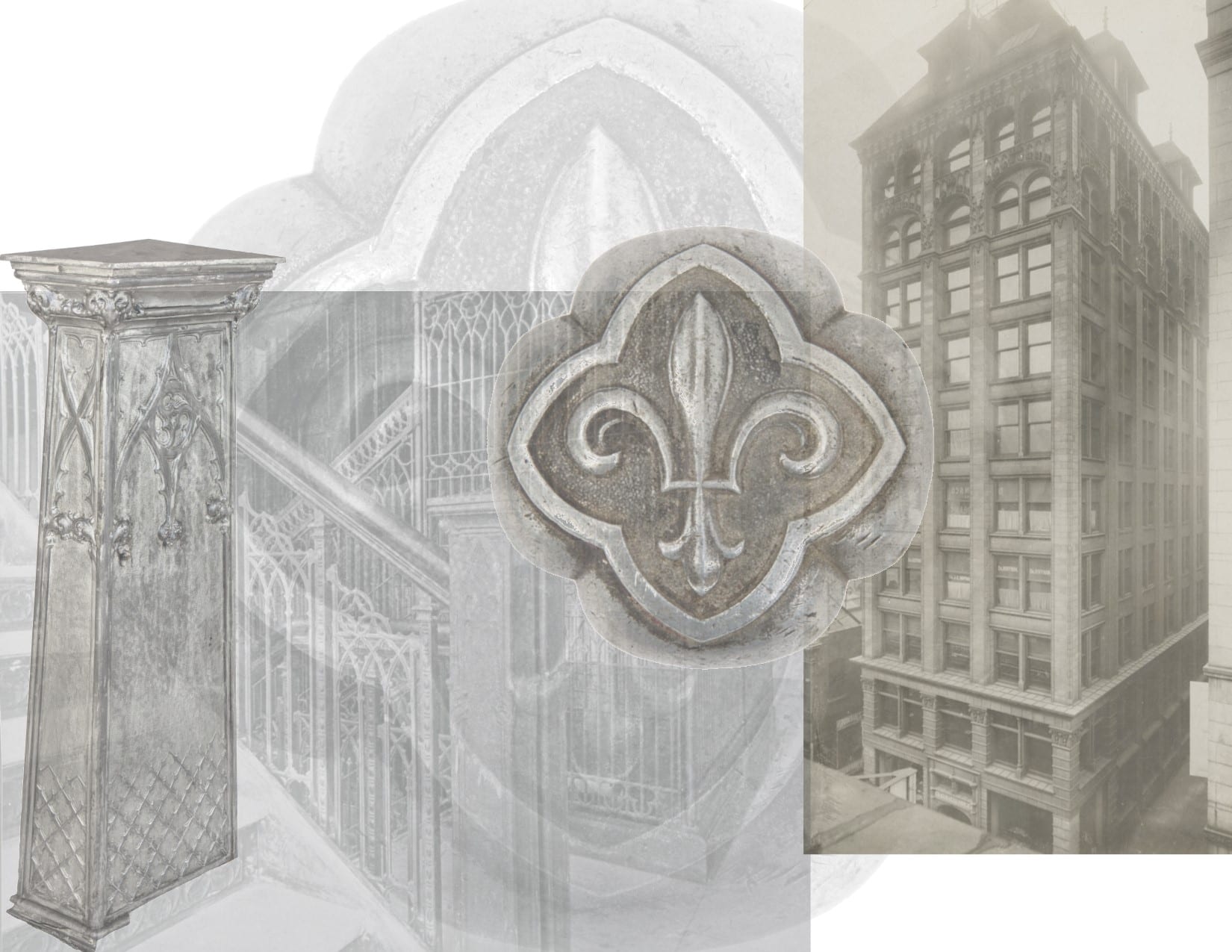
the following images represent a well rounded cross section of historically important architectural ornament, artifacts, objects and ephemera recently added and/or digitized to the bldg. 51 museum archive as of february, 2021. a more focused and in-depth blog post, with detailed captions, will highlight some...

several amazingly intact post-fire chicago soda "blobtop" smooth base bottles were discovered during excavation of a lot where a wood-frame cottage (1873-1876) once stood. the majority of the bottles unearthed, were made for bottler william h. hutchinson (whh). nearly all of the bottles were found...

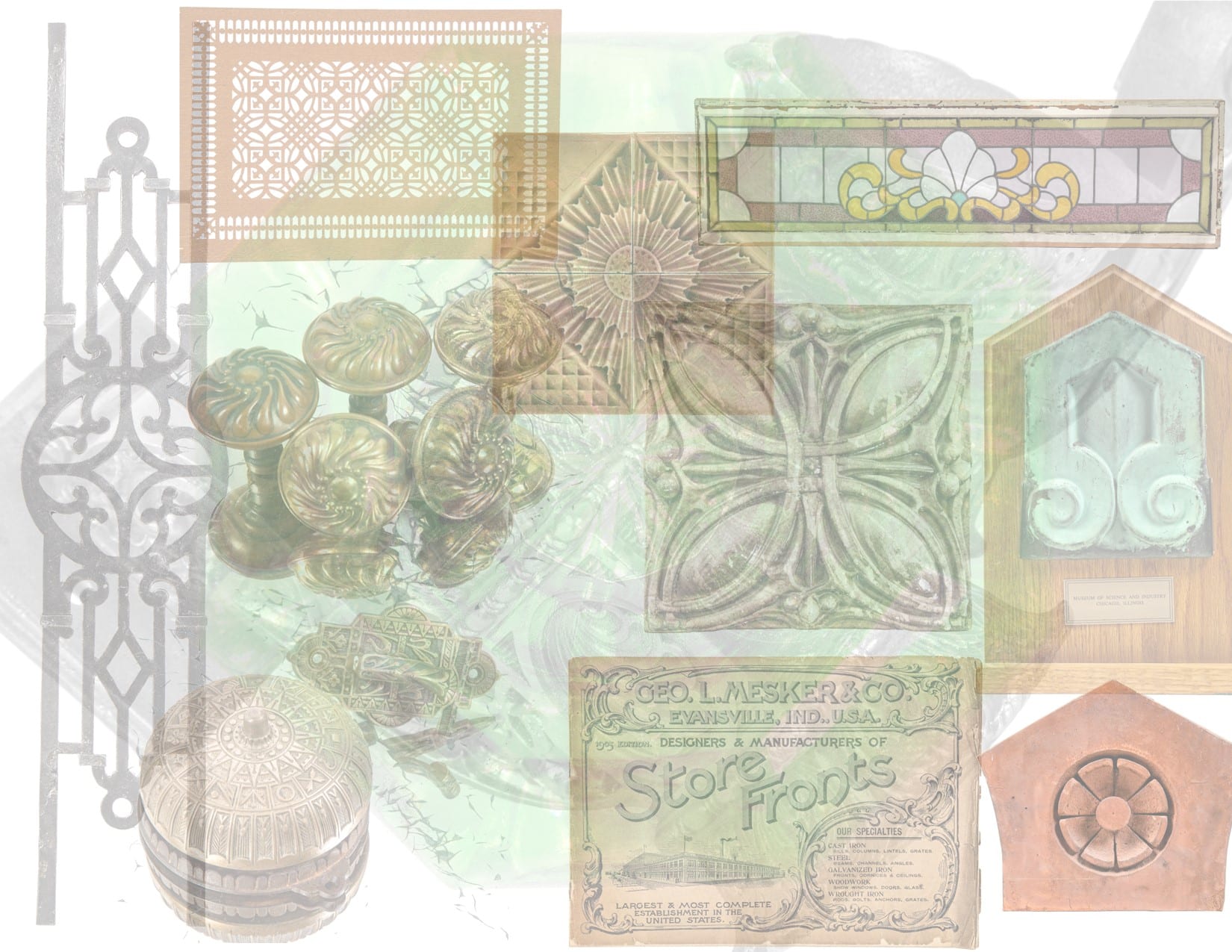
the following image gallery represents a fraction of 19th and early 20th century american builders' hardware recently added to urban remains website catalog. several examples salvaged from historically important buildings across the country will be added in the coming months as well.  ...

the felsenthal store, apartment, office and loft building was designed and built by louis h. sullivan in 1906 for eli e. felsenthal (friend and family attorney for sullivan's former partner, dankmar adler). the two-story masonry building was located at 701-709 east 47th street, chicago, ills.  the...

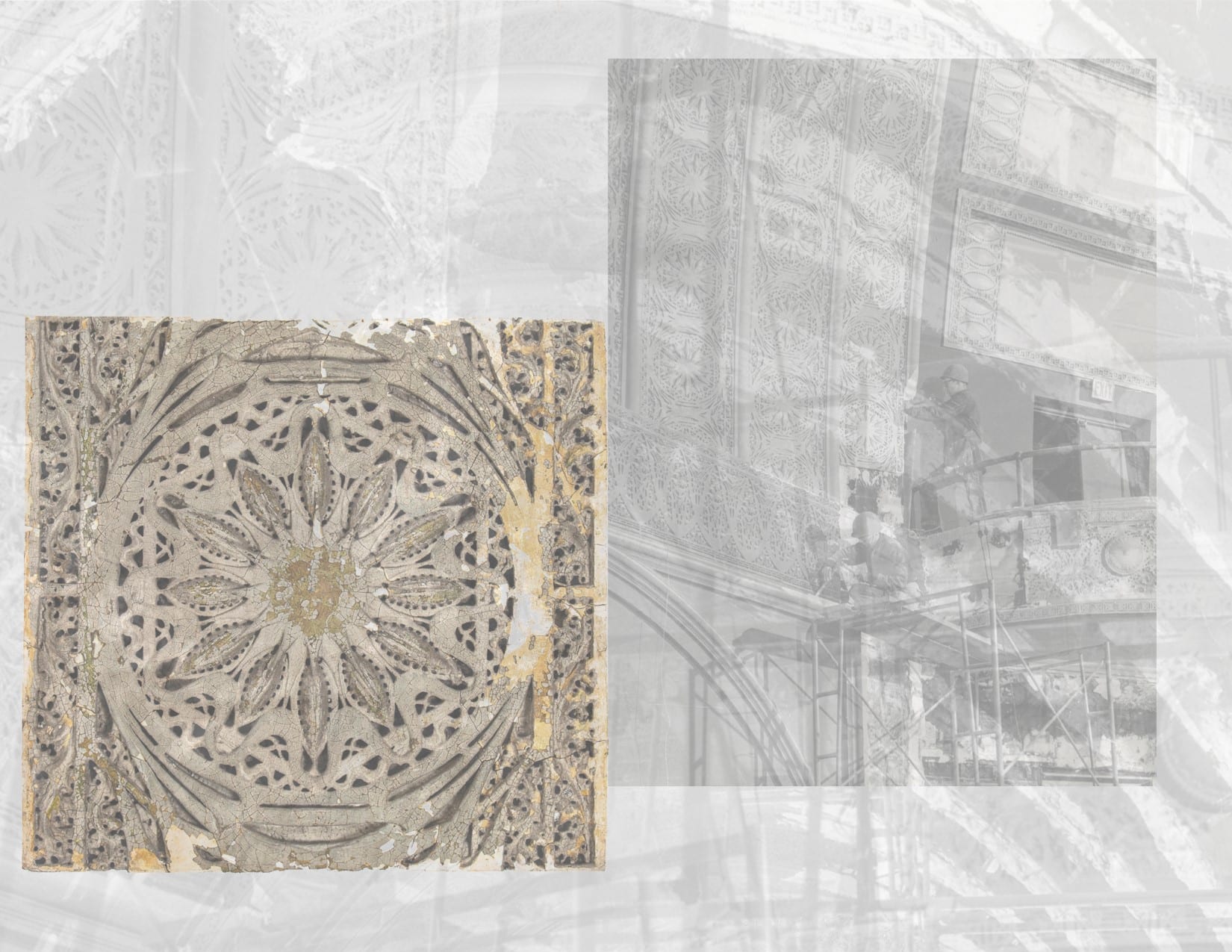
the following images in the gallery below offer a glimpse at any and all artifacts and ephemera pertaining to adler and sullivan's schiller building (later known as dearborn and garrick theater) completed in 1892. the artifacts, including interior and exterior architectural ornament (e.g., terra cotta,...

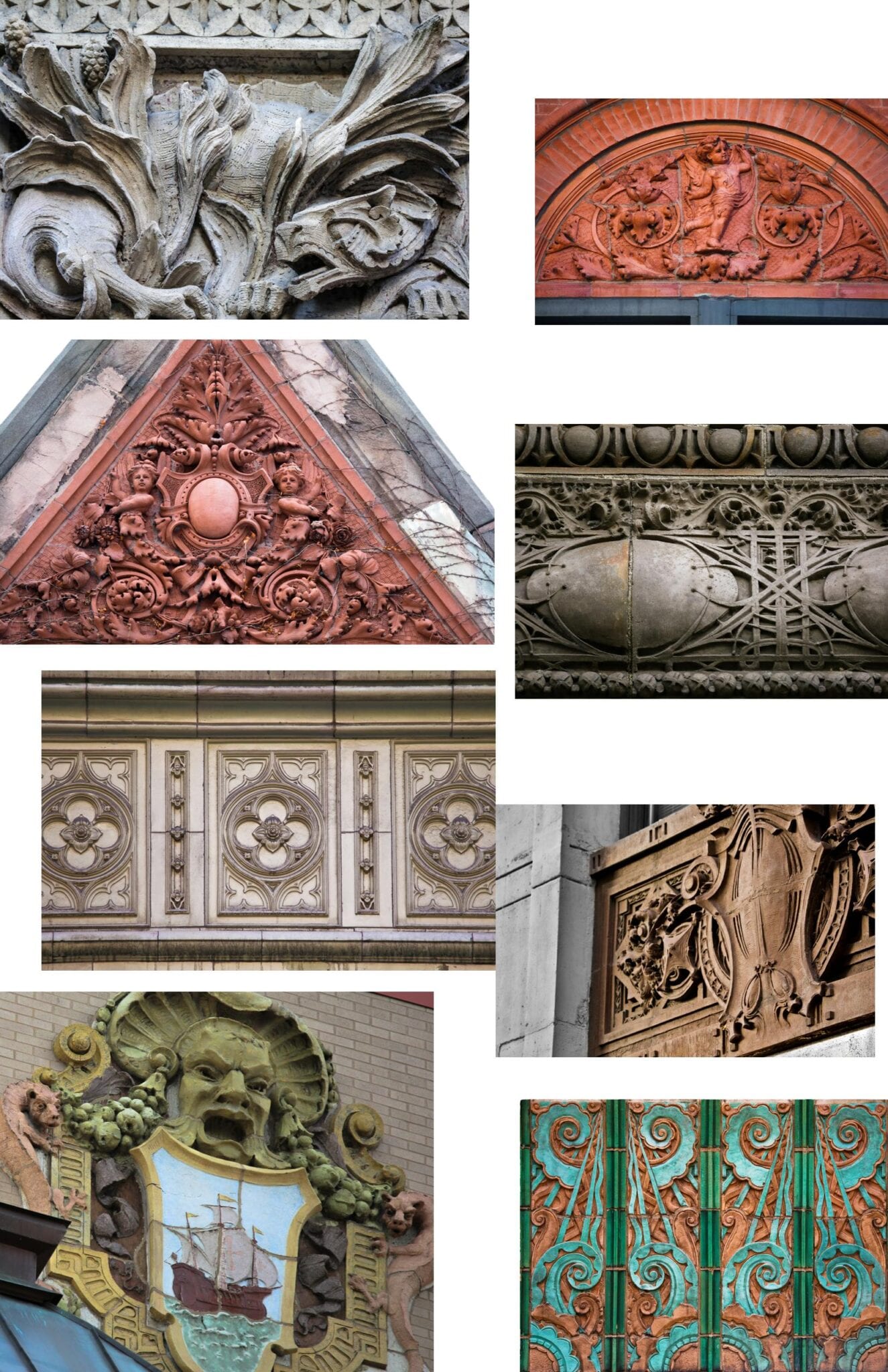
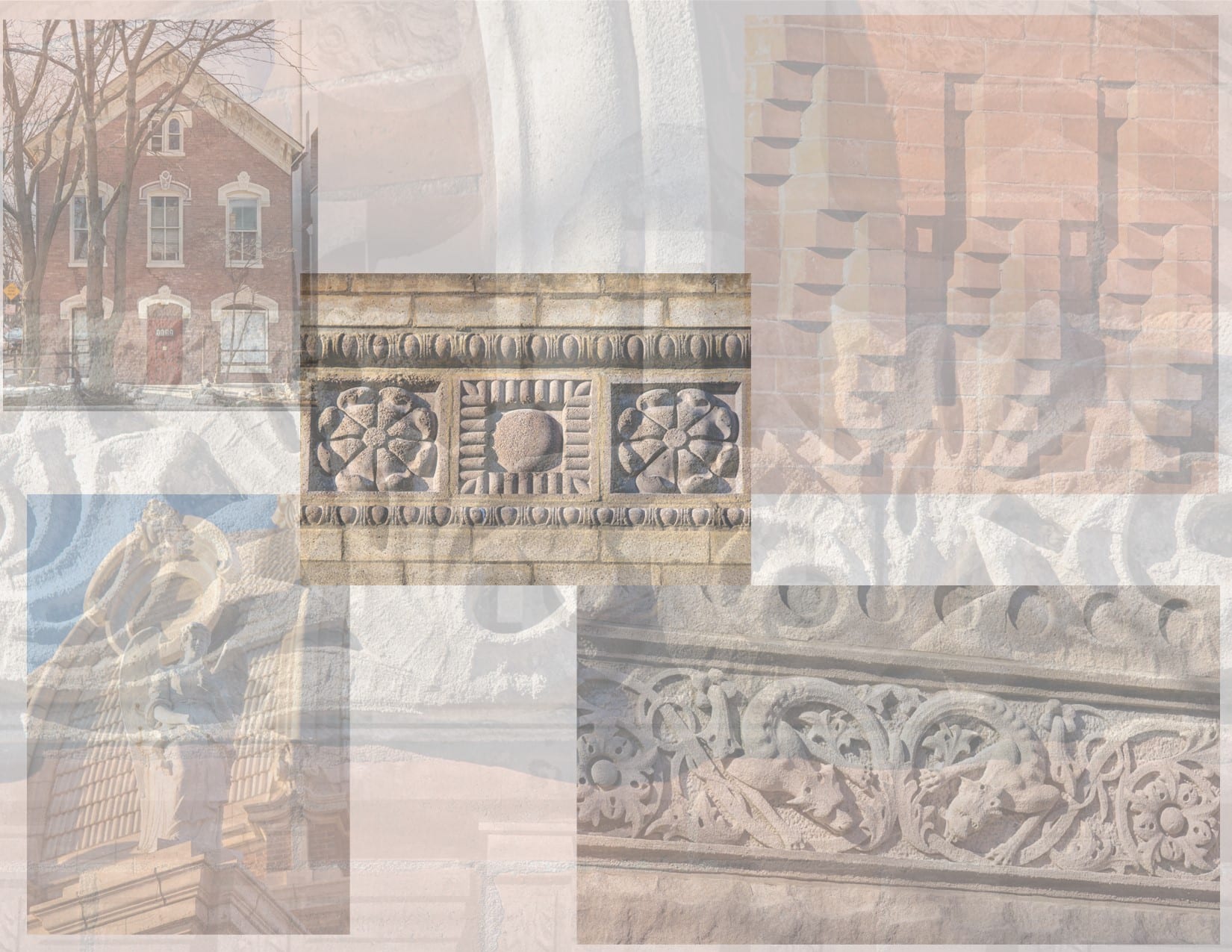
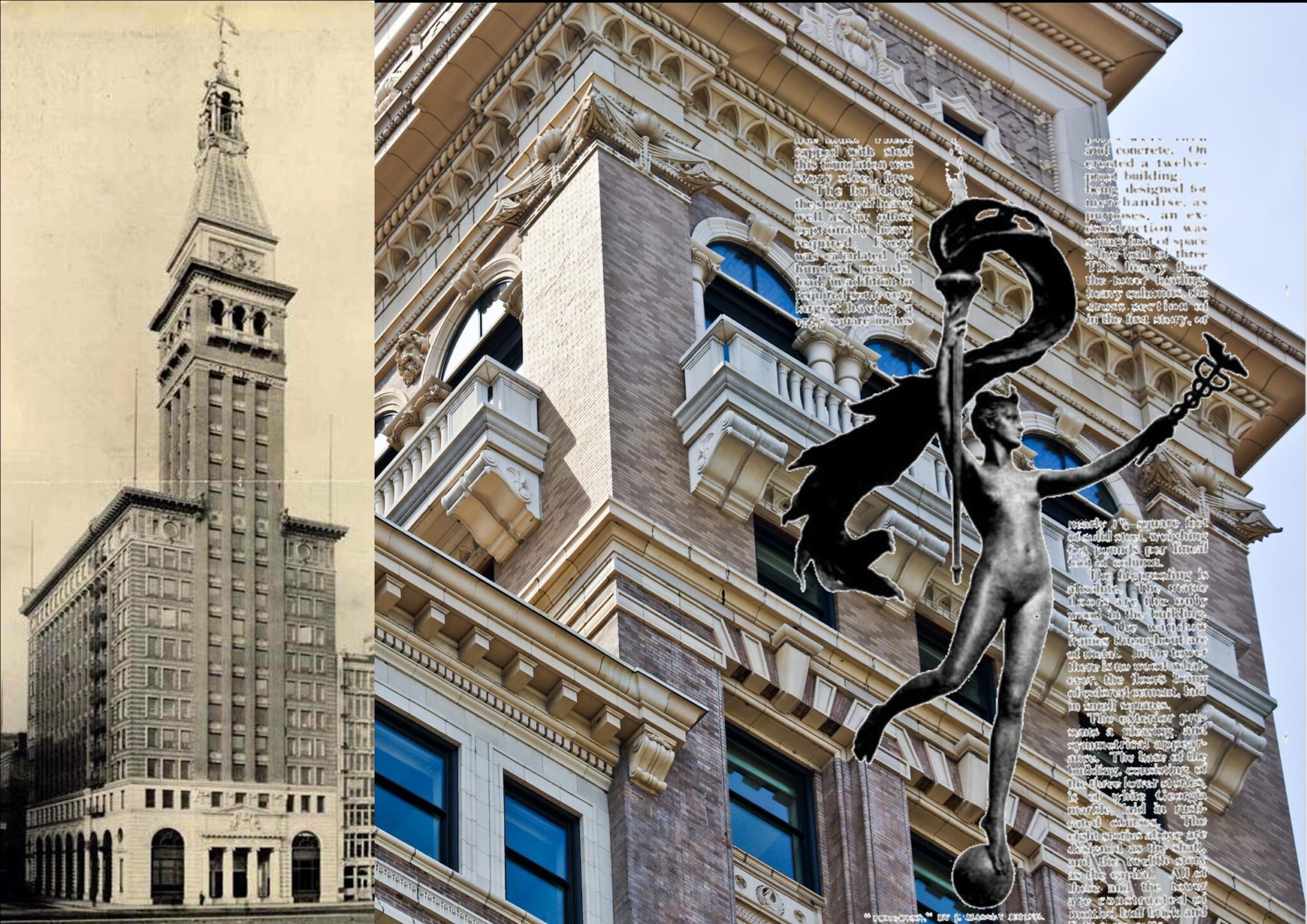
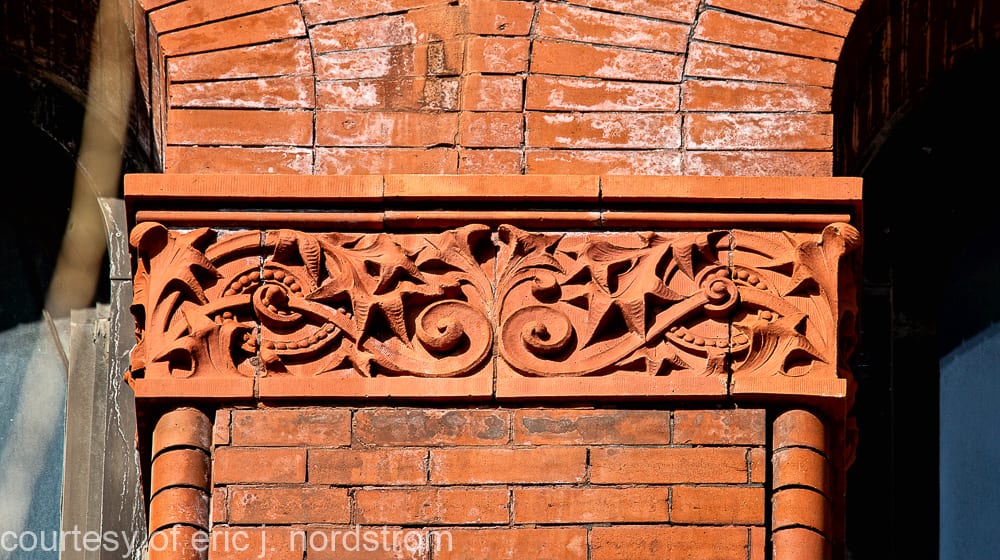
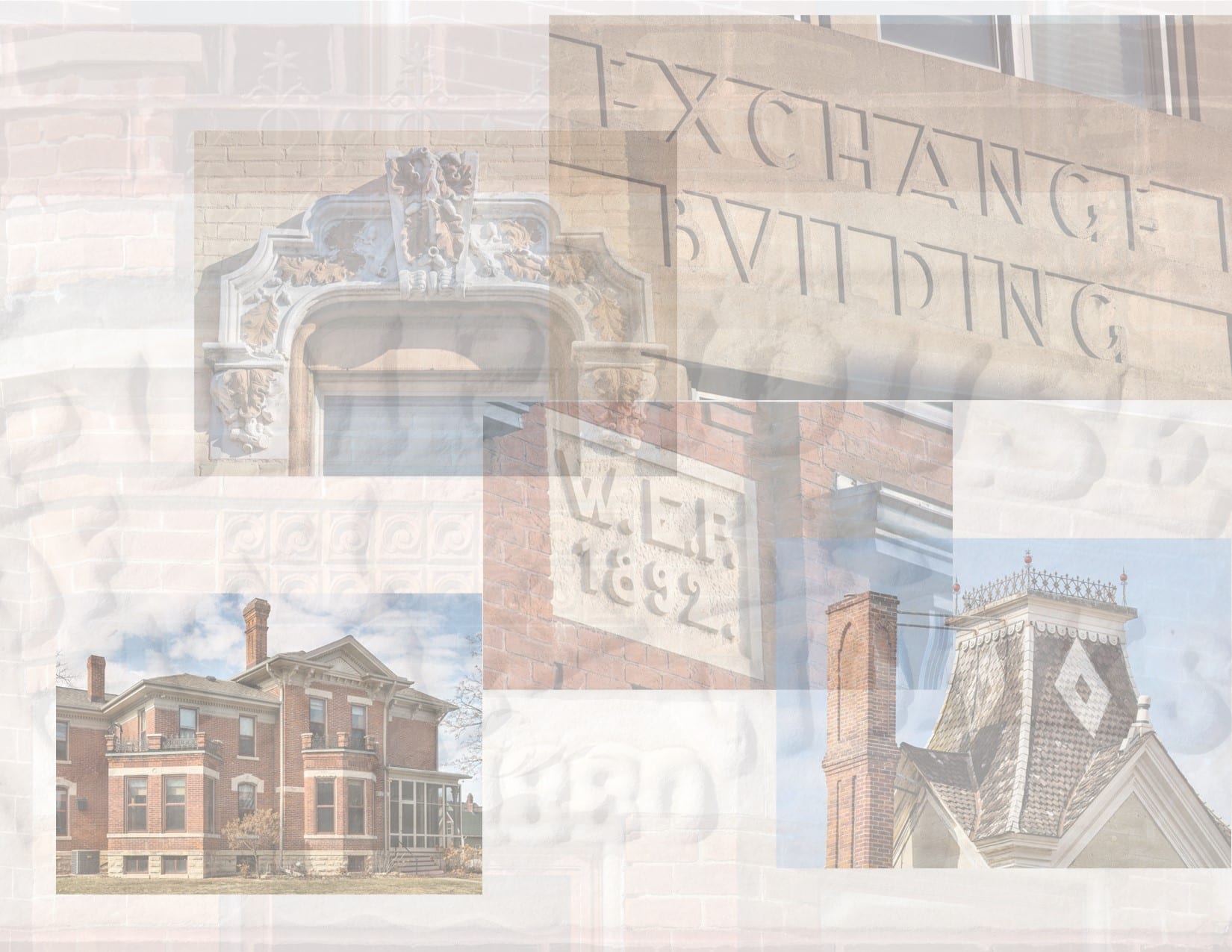
latest photographic images from the chicago architectural ornament survey (as of january, 2021) is provided below. the photographic images focus on architectural ornament located on historically important extant buildings located in downtown chicago and surrounding neighborhoods where the historic fabric is largely intact and well-maintained.  among the...

images of chicago greystone causalities to make way for congress street express way in 1948. to establish fair market value, the city made photographs and property valuations for each and every property targeted for demolition. despite the widespread destruction and displacement, at least there's an extensive visual...

in chicago, the modern preservation movement rose in tandem with the 1950s post-depression era and war renewal program. decentralization, suburbanization, and migration to cities in the us south and west posed a grave threat to chicago’s economy. leaders feared criticism of chicago’s postwar office construction,...

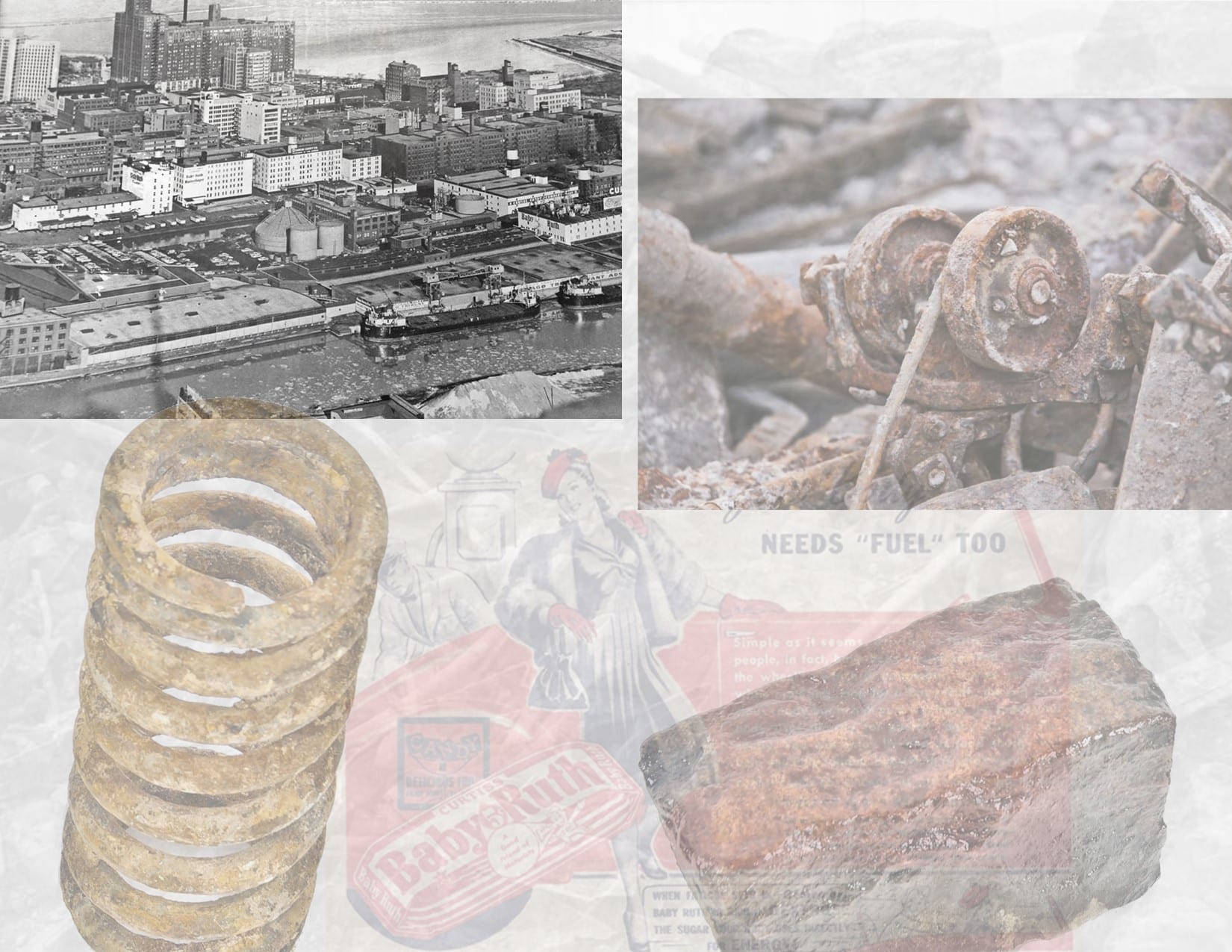
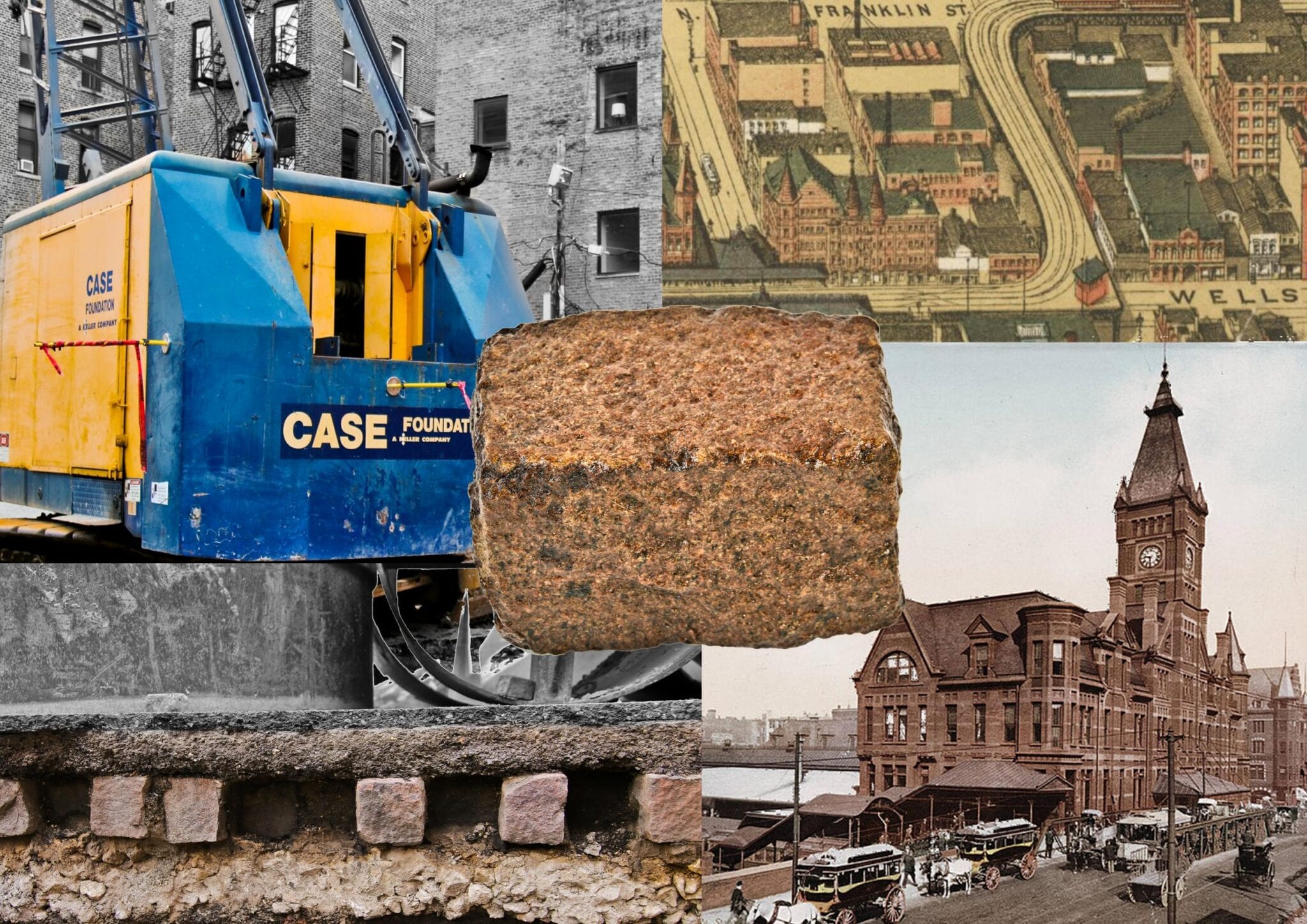
while sorting through boxes of building materials i'm cataloging for my "deconstructing chicago project," i decided to set a group of bricks aside that connect with, based on the salvages and/or stories tied to them. eight stories involving the non-extant buildings from which the bricks...

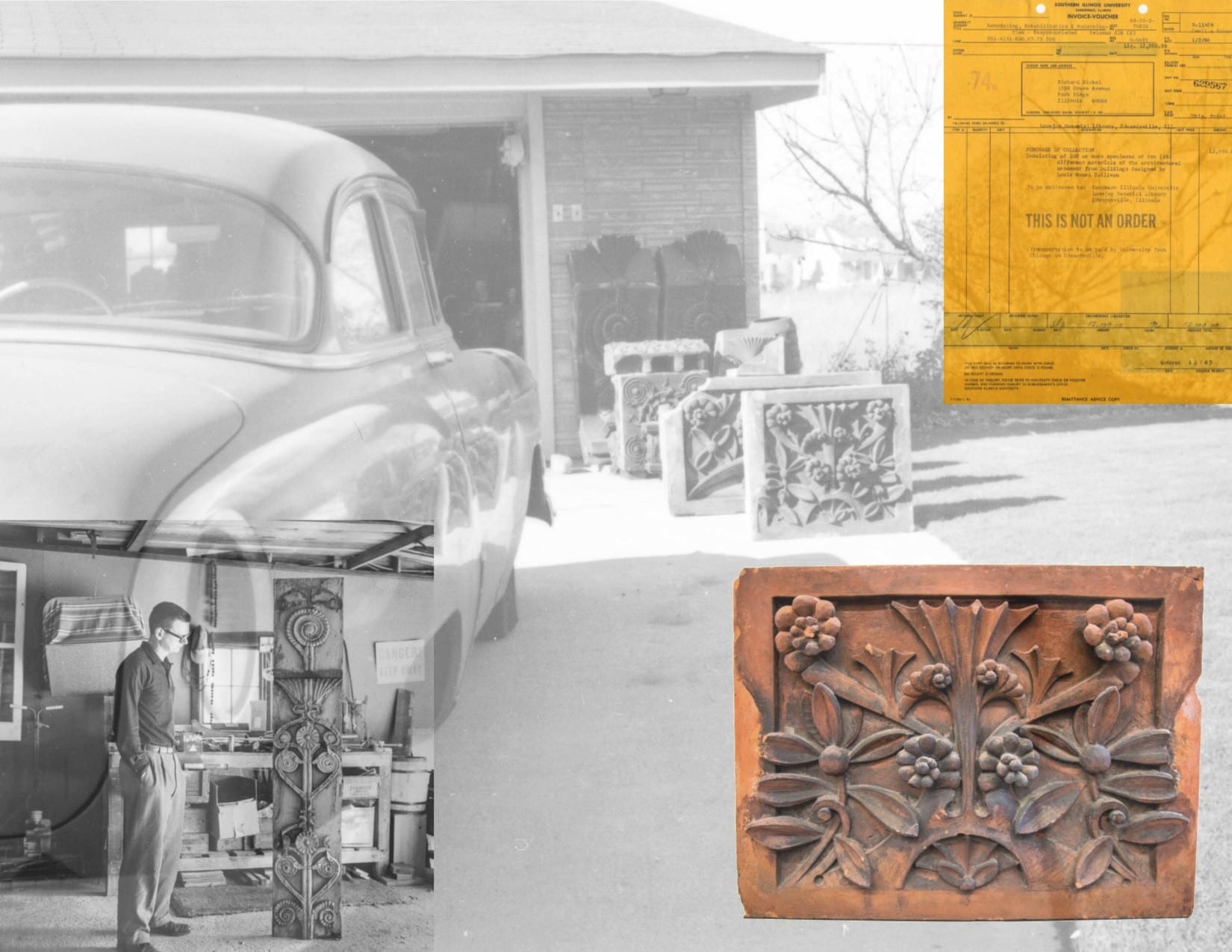
photographic images and description of rueben rubel residence, 1884-1885, adler and sulivan, architects. demolished 1958. aaron siskind and richard nickel photographs of louis sullivan-designed ornament taken between 1953-54. first image: carved bedford limestone impost block detail from adler and sullivan's walker warehouse (1892) taken shortly...

the looming threat of the second german evangelical zion church's destruction, which had been in a holding pattern for months, was handed its death sentence when the demolition permit was released and the wrecker arrived with equipment to prepare it for destruction. thankfully, i managed...

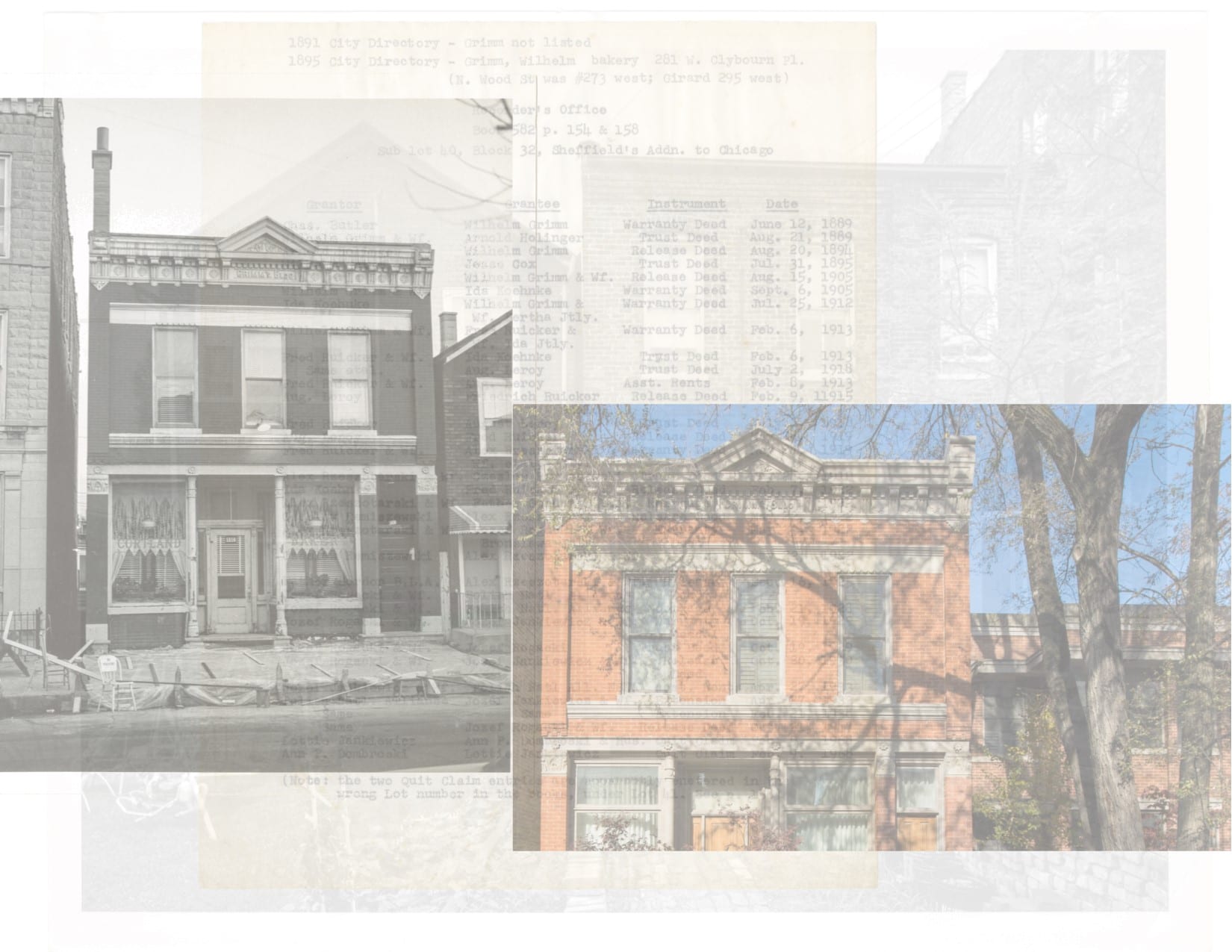
one of the most widely recognized, largely intact, and well-maintained worker cottages is the martin schnitzius residence, built in 1891 by the architectural firm of bettinghofer and hermann. the unique design and/or use of ornamentation is a notable example of a more upscale queen anne...

error: Content is protected !!